Daktuin Nemo
| Categoria | Proiecte de interes public |
|---|---|
| Anul | 2026 |
| Țara | Benelux |
| Organizația | STAALCON BV |
| Parteneri de proiect | Ooijevaar, NEMO Science museum, Dev. Real Estate Project Management, Renzo Piano Building Workshop, DioCon BV, John Koomen tuinen, Hollander techniek, westfriesland dakbedekkingen, Rinkel & Smit bouw BV |
| Autor | Ernie Baars |
| Client | Ooijevaar | bevlogen bouwers |
| Locația construcției | Amsterdam |
| Tags | Parametric designTekla StructuresTimberSteel |
NEMO Science Museum – BIM en staalbouw op het hoogste stadsplein van Nederland
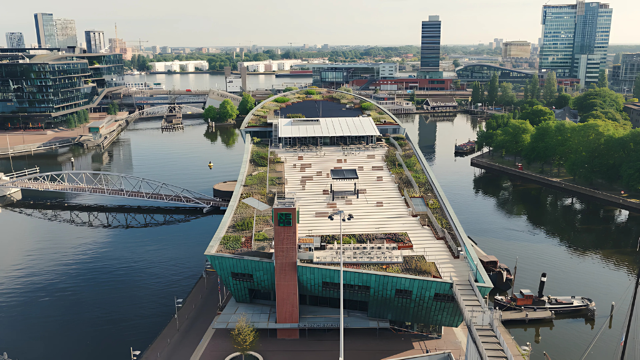
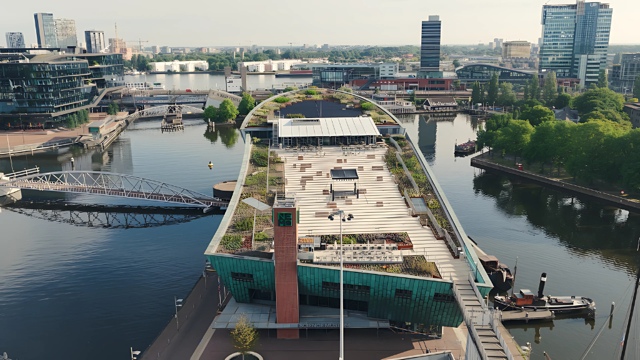
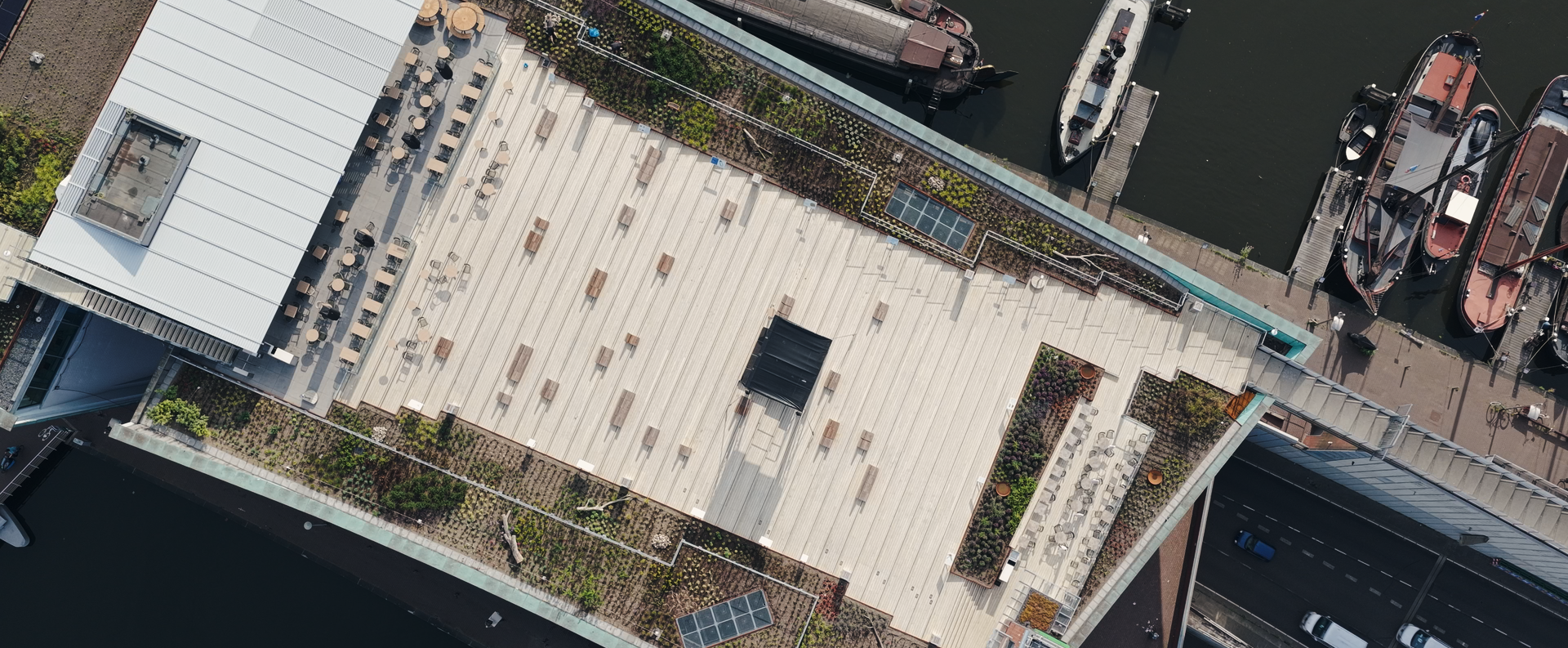
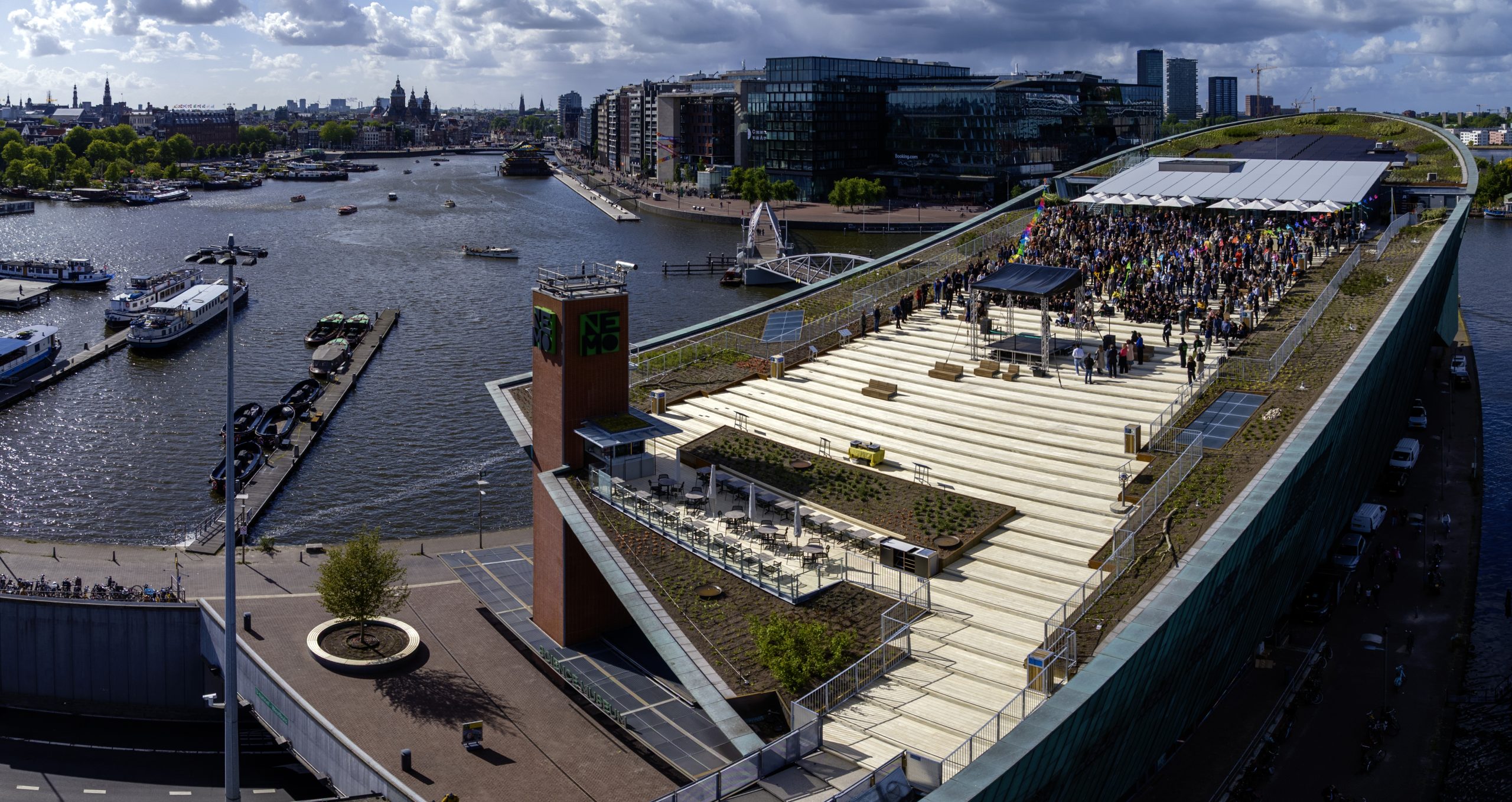
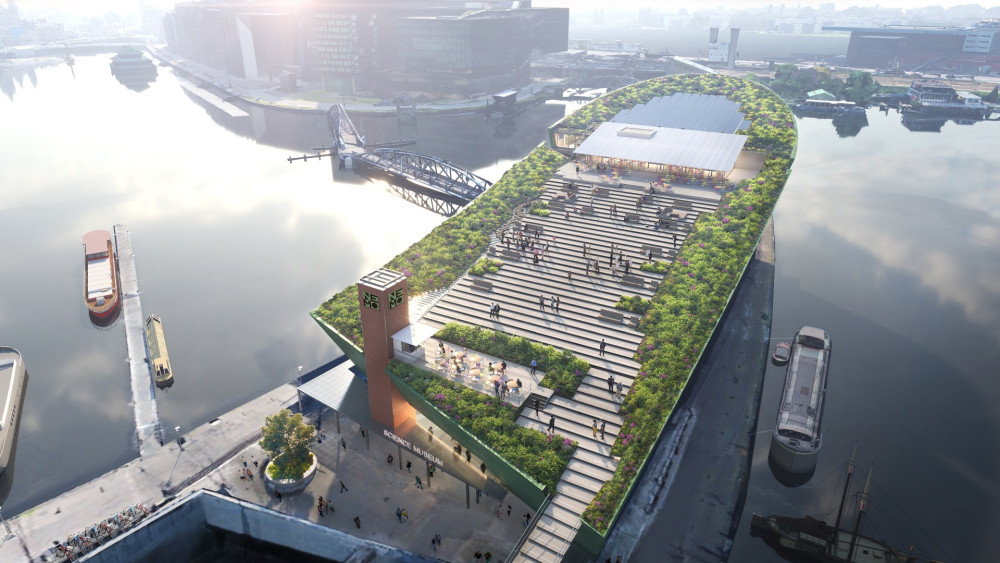
Het dak van NEMO Science Museum is het hoogste stadsplein van Nederland en biedt een spectaculair uitzicht over de stad Amsterdam. De gerenommeerde architect Renzo Piano ontwierp het iconische gebouw oorspronkelijk als een Italiaans piazza: een openbare ontmoetingsplek waar mensen samenkomen, ontspannen en verrast worden.
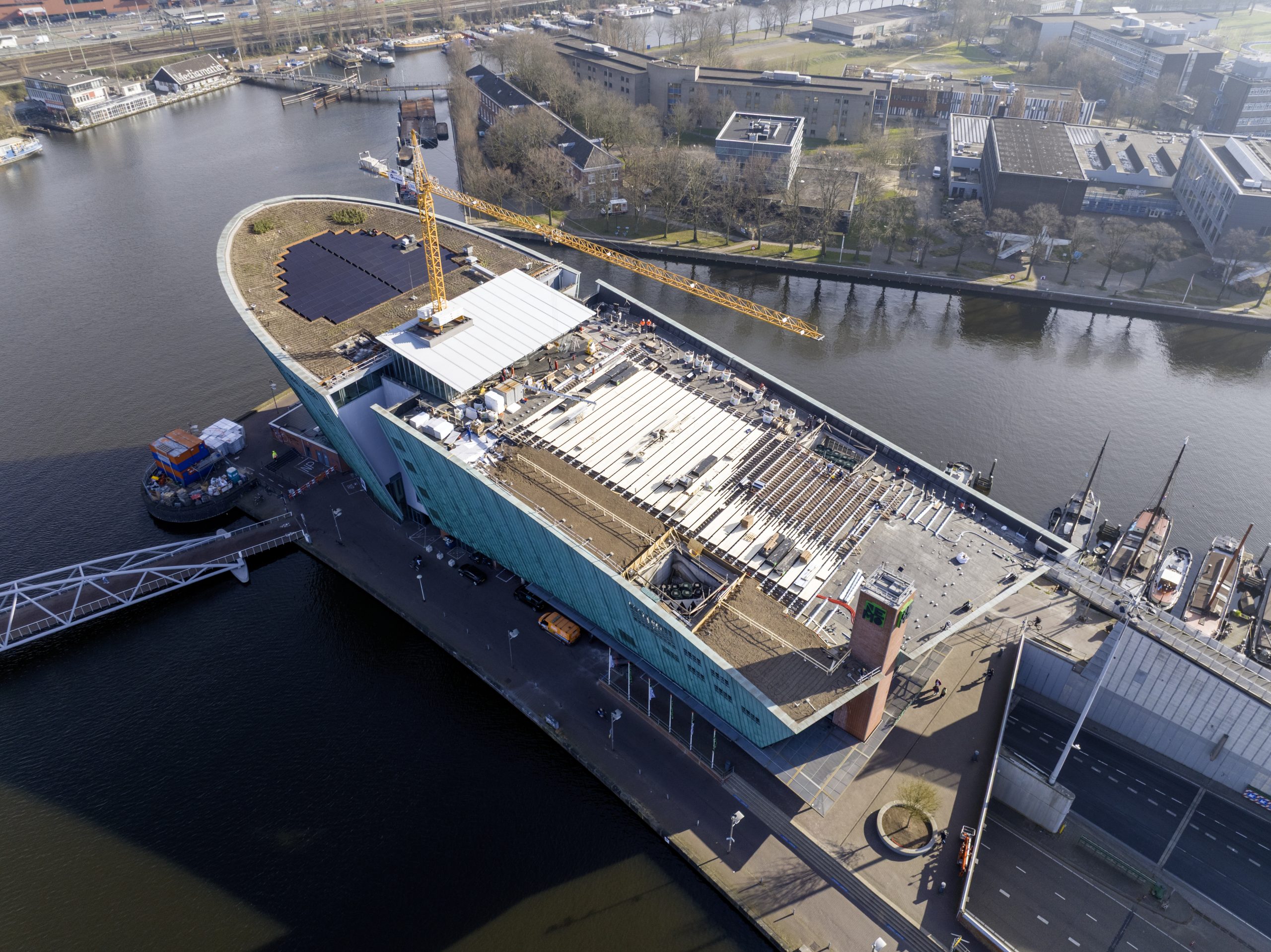
Na jarenlang intensief gebruik was het dak toe aan groot onderhoud. Dit bood tegelijkertijd de kans om het plein opnieuw vorm te geven op basis van de oorspronkelijke visie van Piano, gecombineerd met de duurzaamheids- en toekomstambities van NEMO. In het vernieuwde ontwerp transformeert het dak tot een groene oase met openluchtpodium waar wetenschap, technologie en ontmoeting centraal staan. De oplevering in 2025, het jaar waarin Amsterdam 750 jaar bestaat, maakt het vernieuwde dak tot een bijzonder cadeau van NEMO aan de stad.
Onze bijdrage
Binnen dit project waren wij verantwoordelijk voor de engineering, productie en levering van diverse staalconstructies en hekwerken, waaronder:
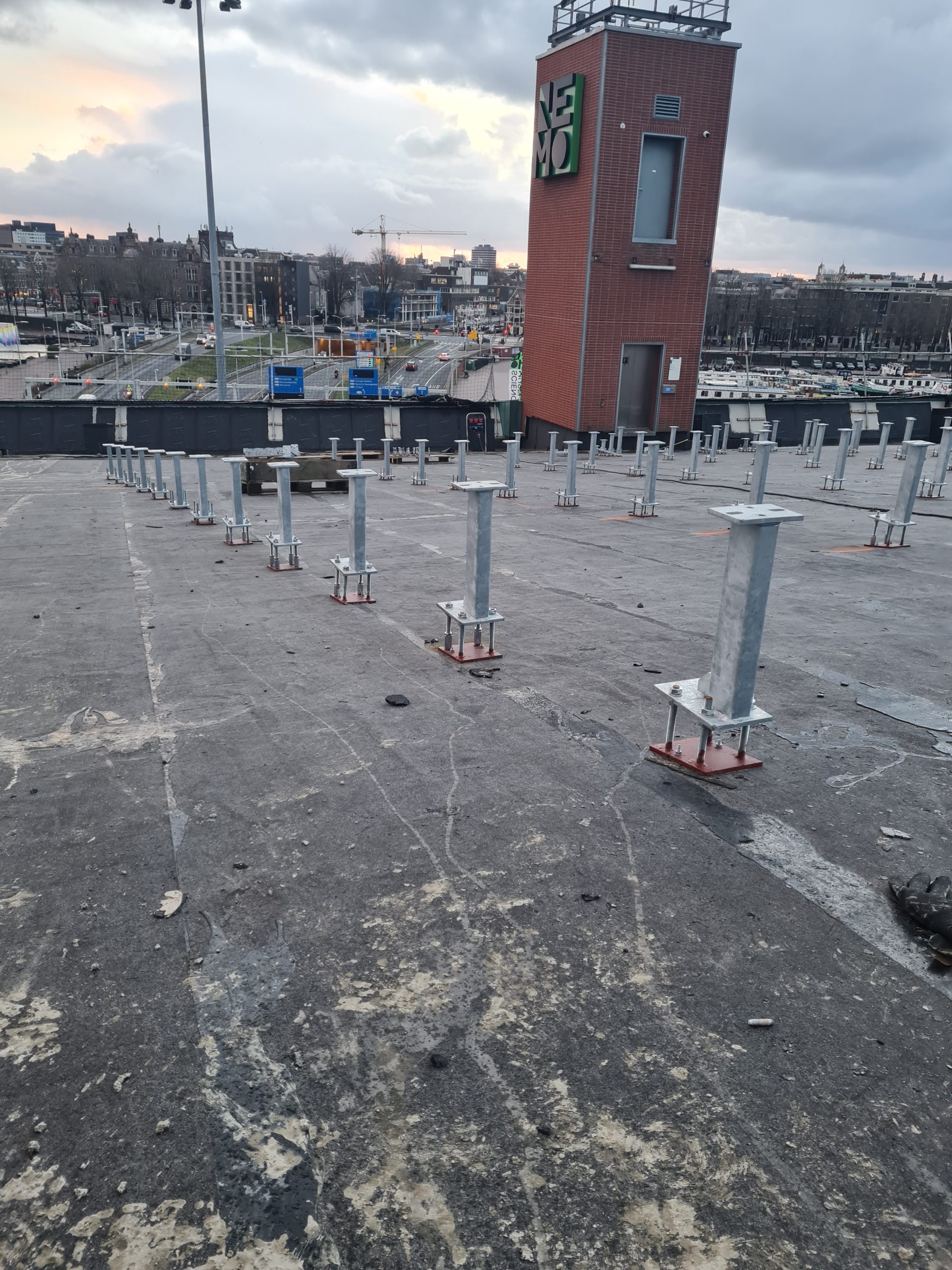
– 550 inplakpootjes
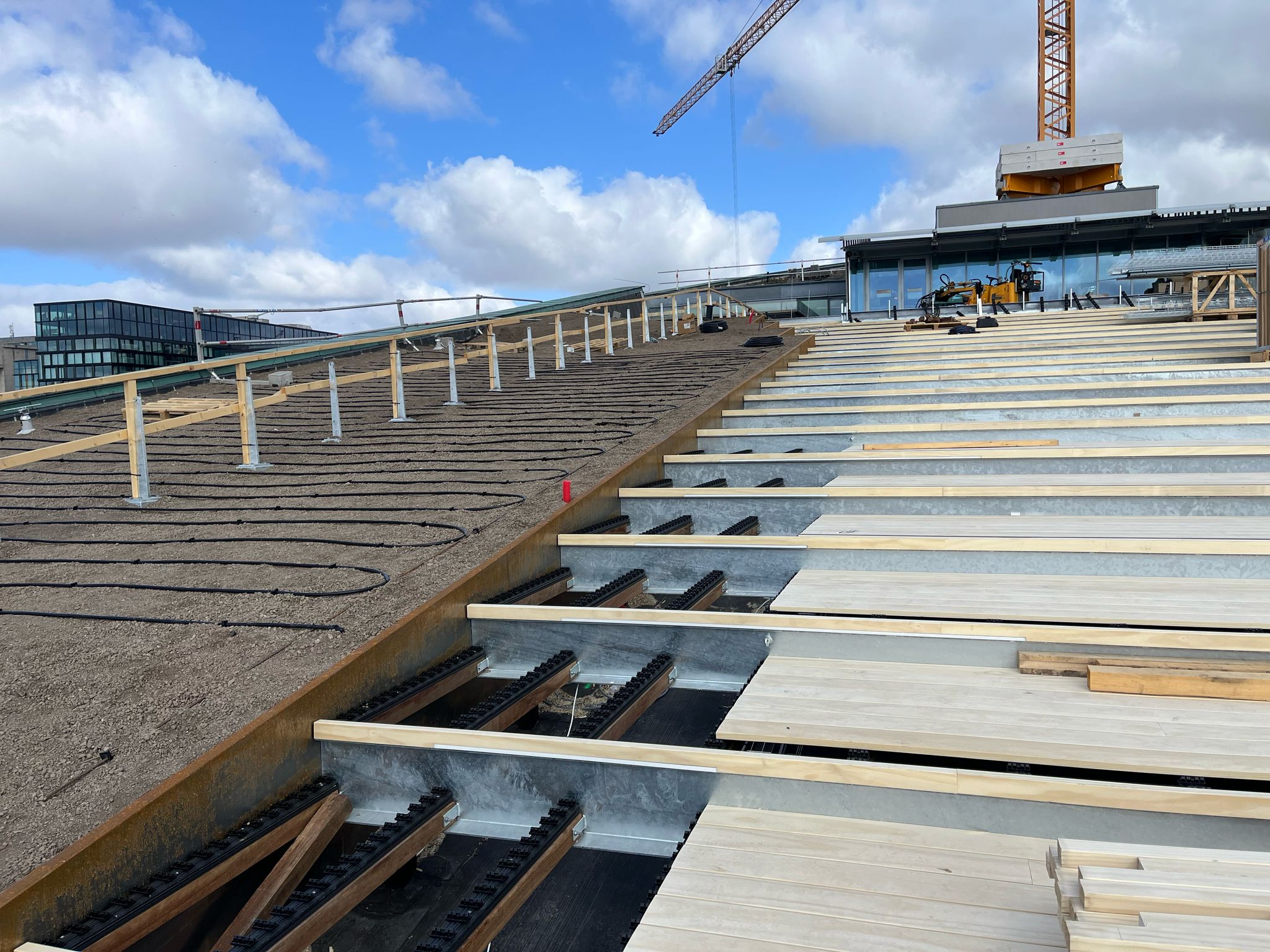
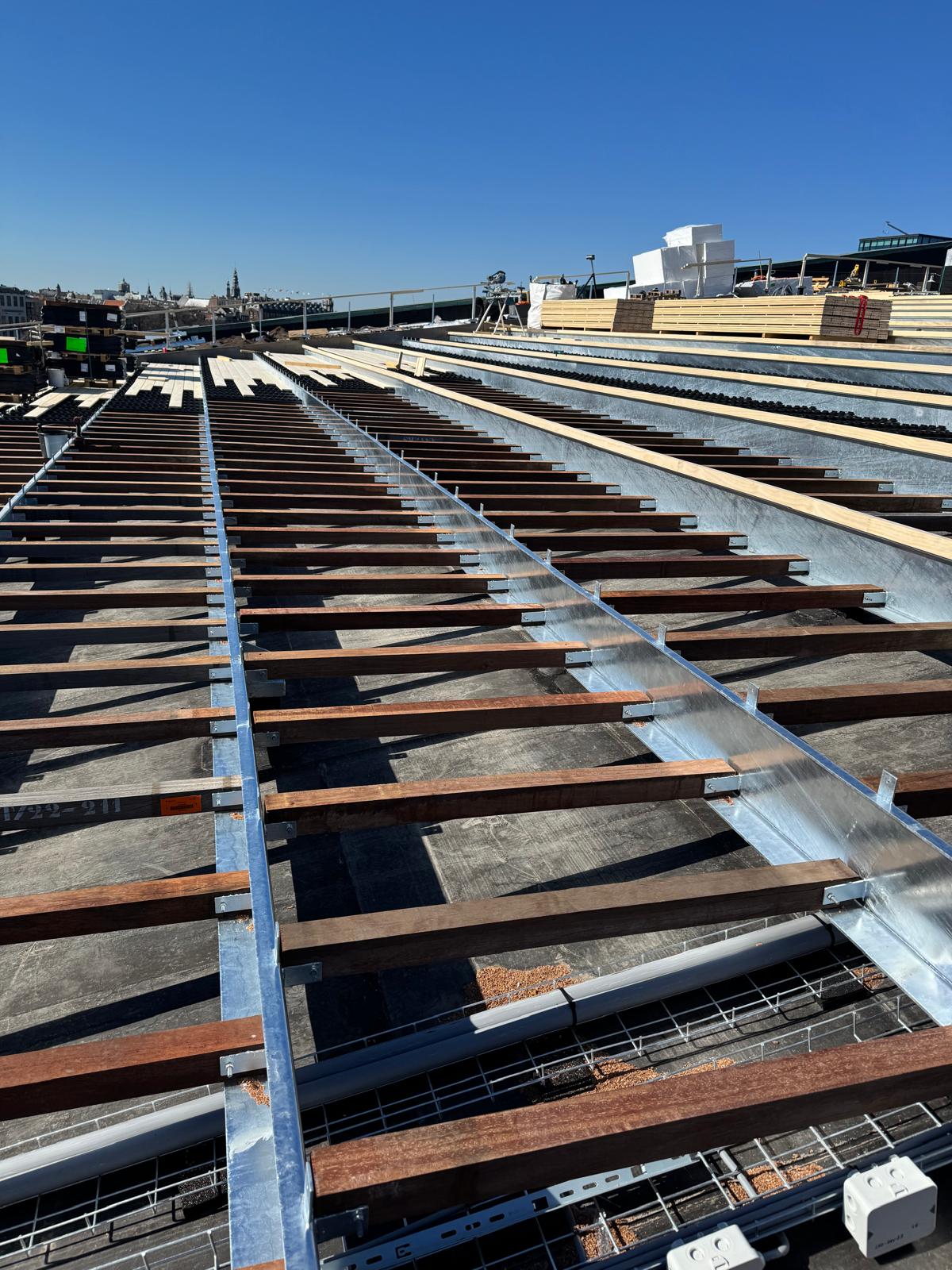
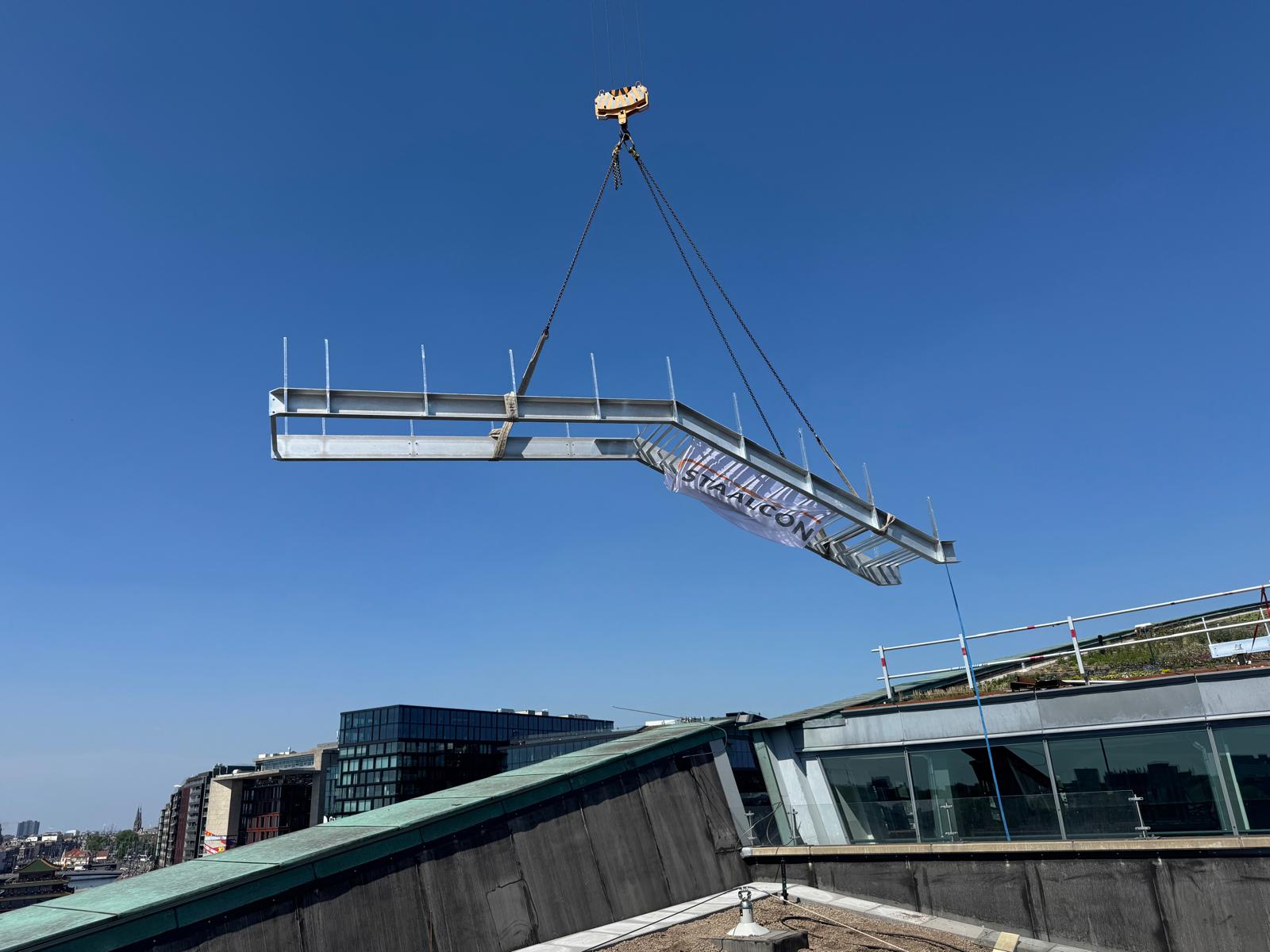
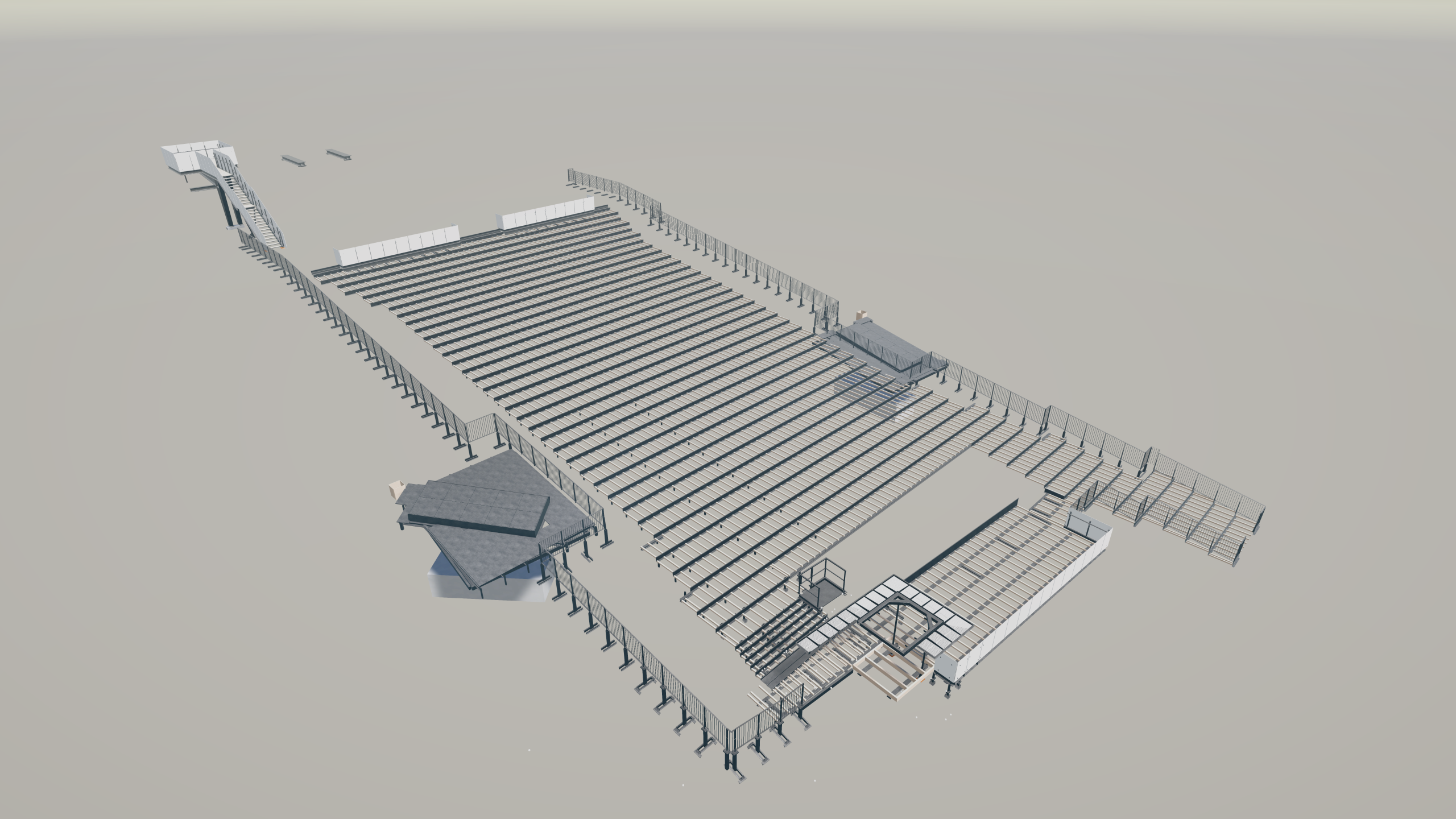
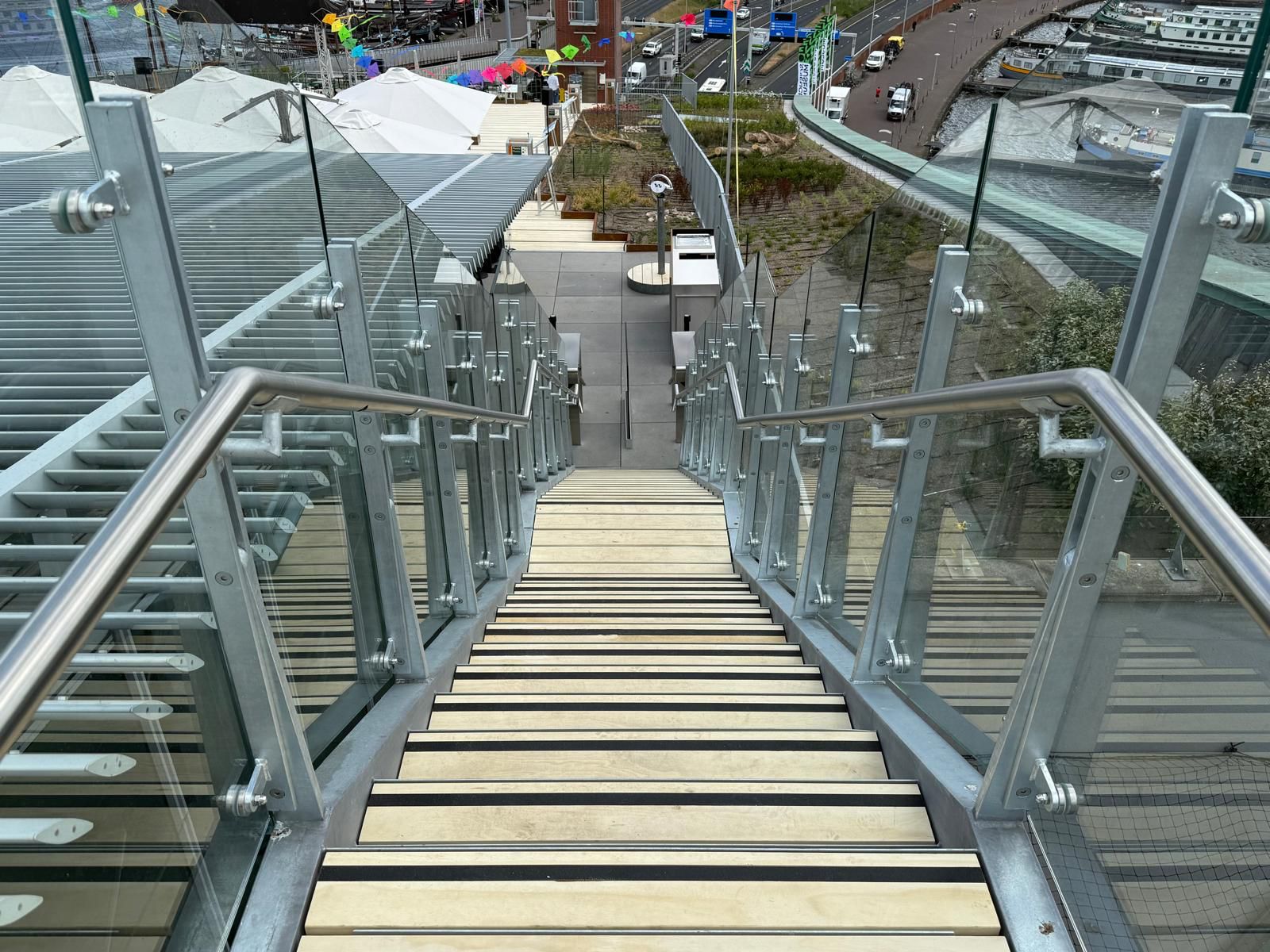
– 880 meter trapconstructie
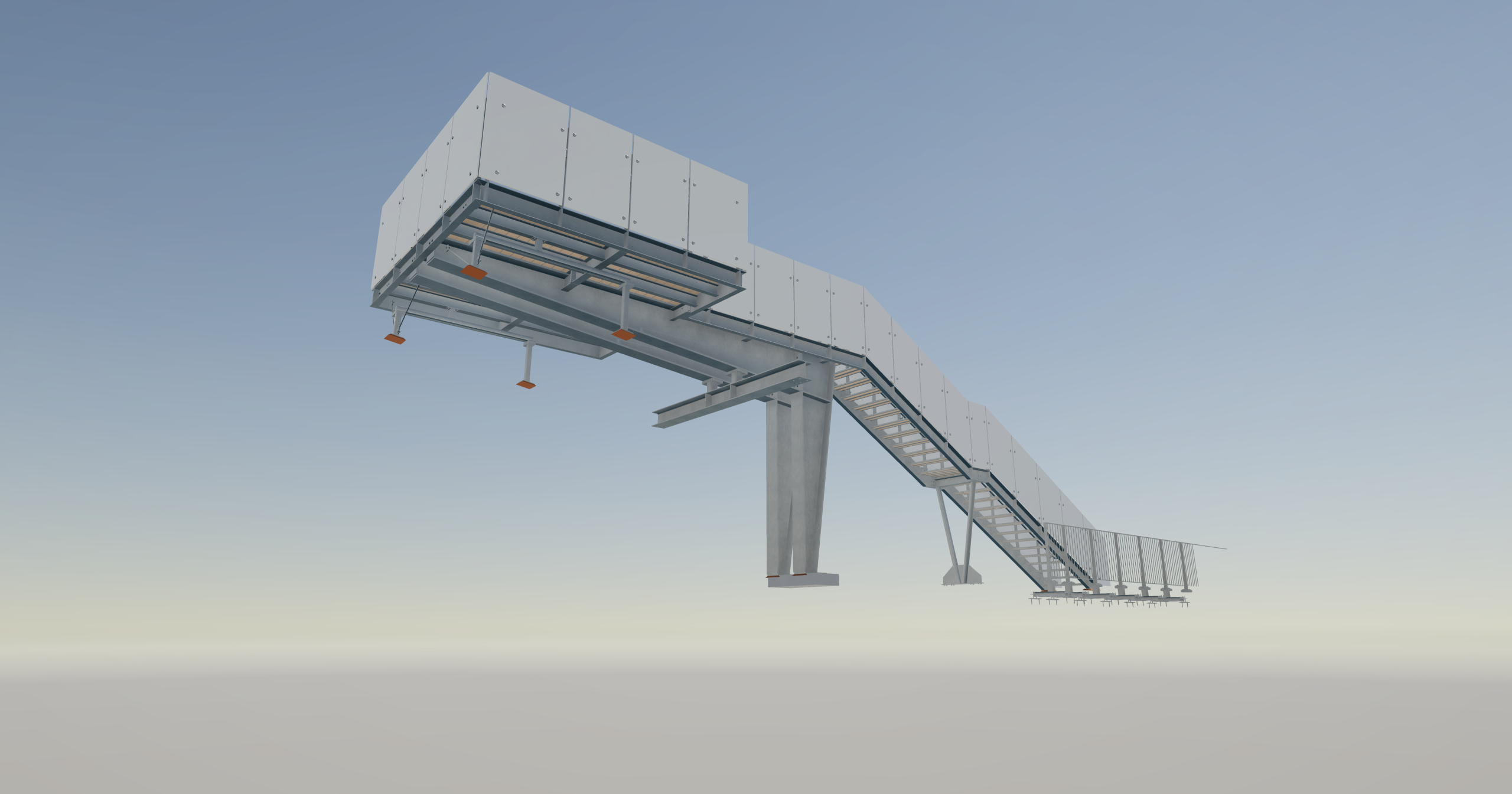
– Staalconstructie voor het viewing point
– Constructies bij de kiosk
– Constructies rondom de ventilatieschacht
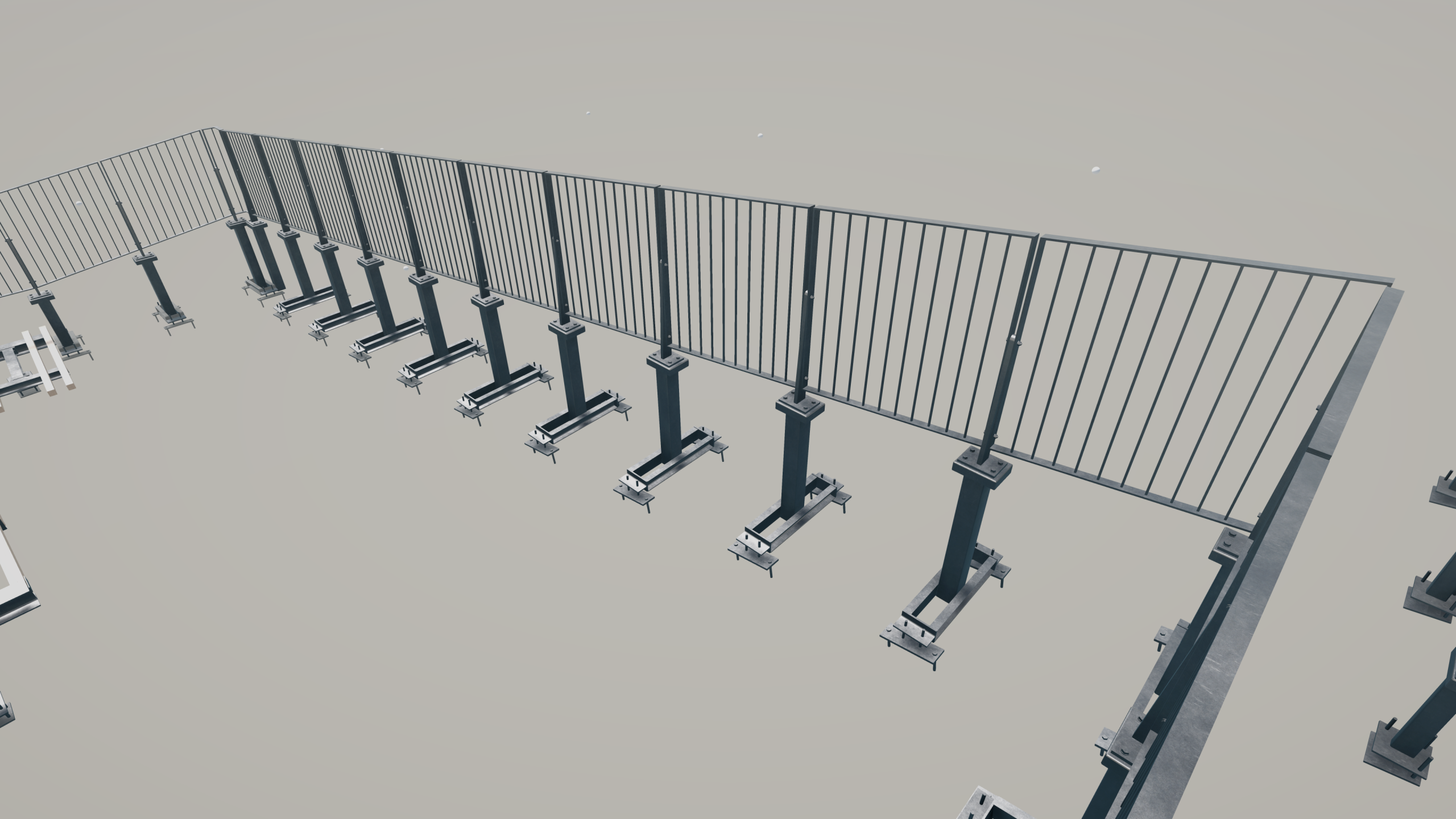
– 150 meter strippenhekwerk
– 80 meter glazen hekwerk
Complexe bestaande situatie
De technische uitdaging van dit project zat voornamelijk in de bestaande dakconstructie. Het dak bestaat uit een in het werk gestorte kanaalplaatvloer die in een grote vloeiende ronding naar beneden loopt, vergelijkbaar met een enorme spiltrap rondom het centrum van Amsterdam Centraal Station.
De nieuwe trapconstructie loopt daar juist in rechte lijnen overheen. Hierdoor ontstond een unieke situatie waarbij vrijwel ieder ondersteuningspunt een afwijkende maatvoering kreeg. Geen enkel pootje was identiek. Daarnaast bleek de bestaande vloer door toleranties in het stortwerk nergens volledig vlak of constant te verlopen.
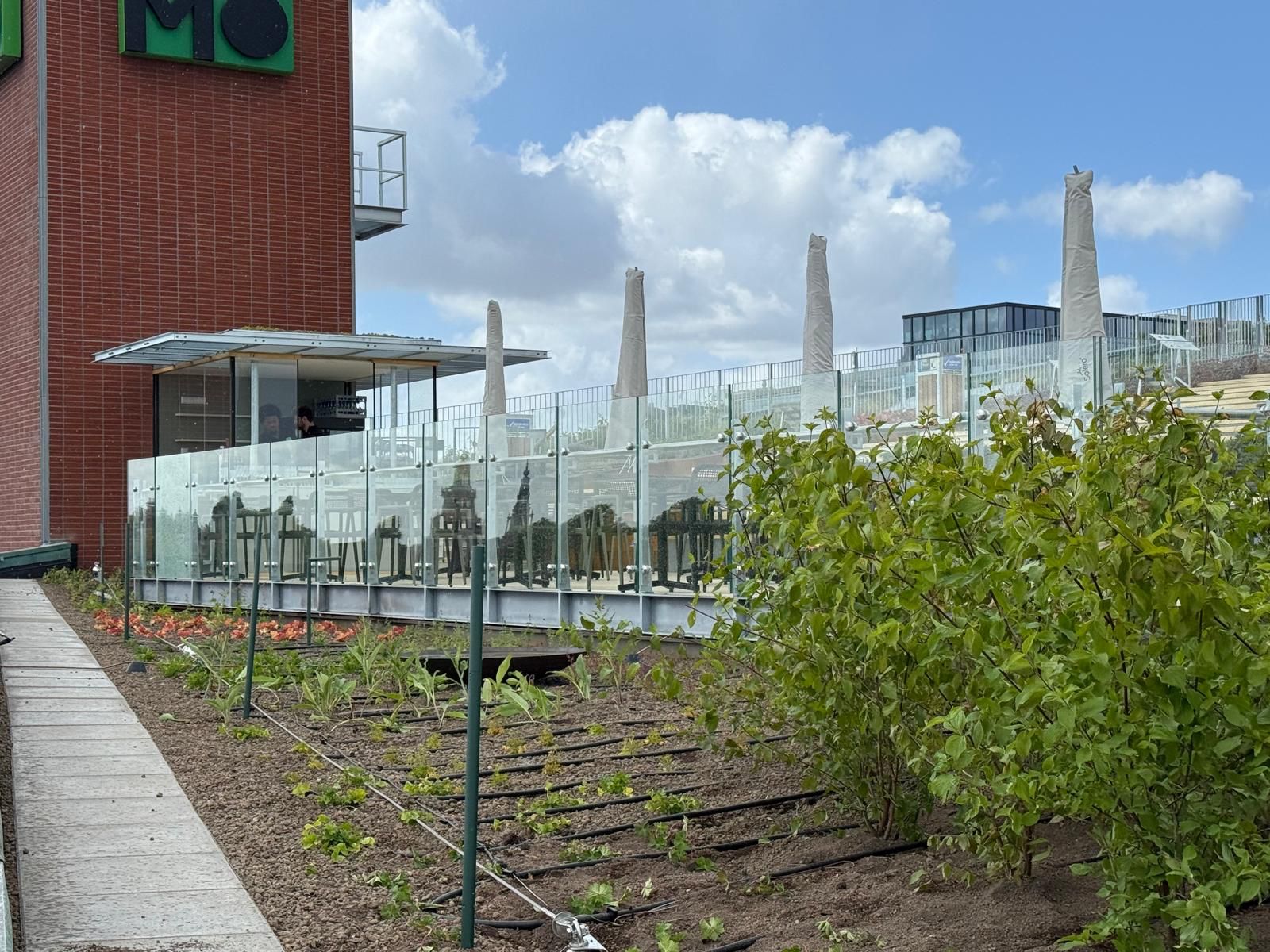
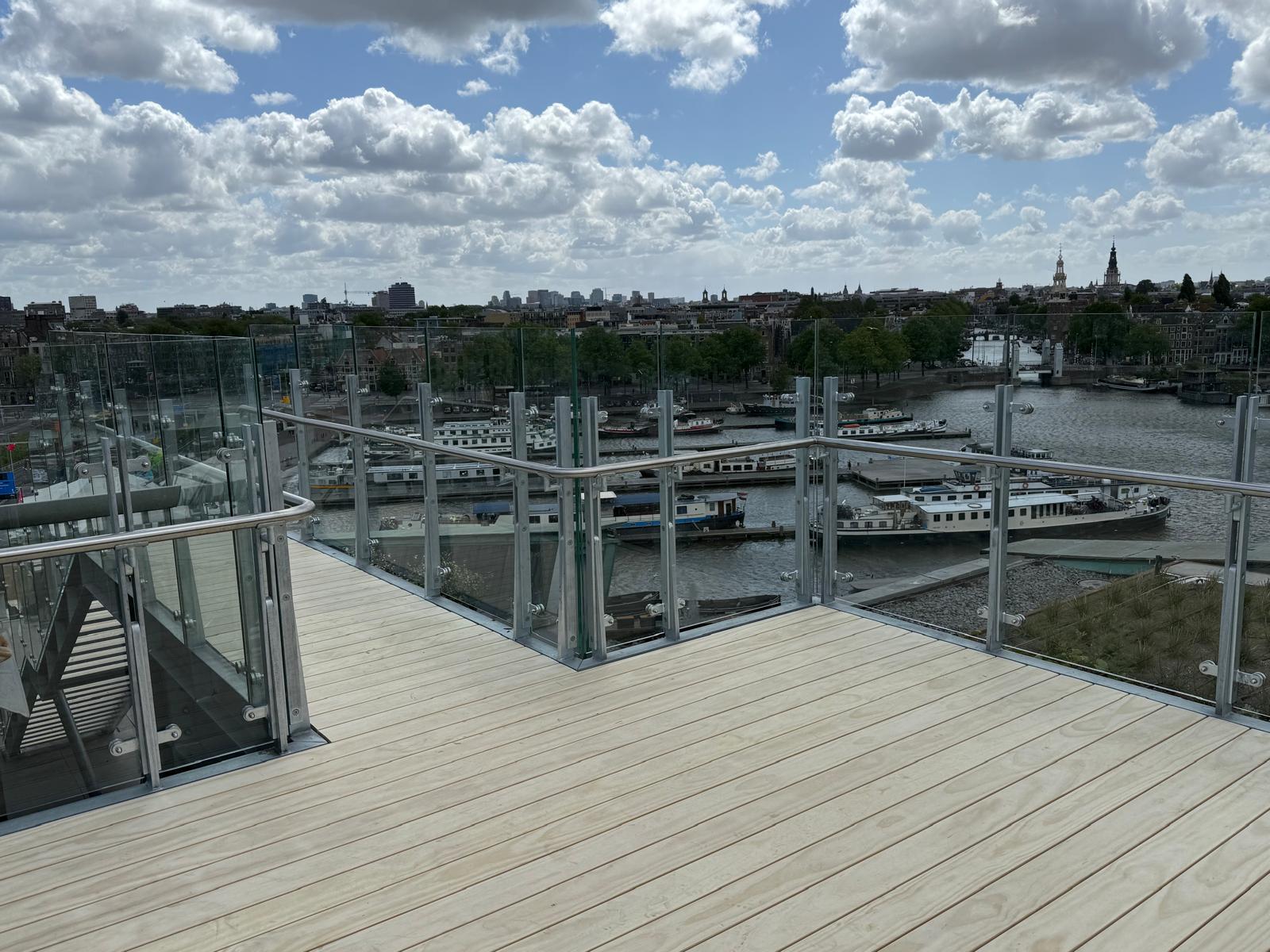
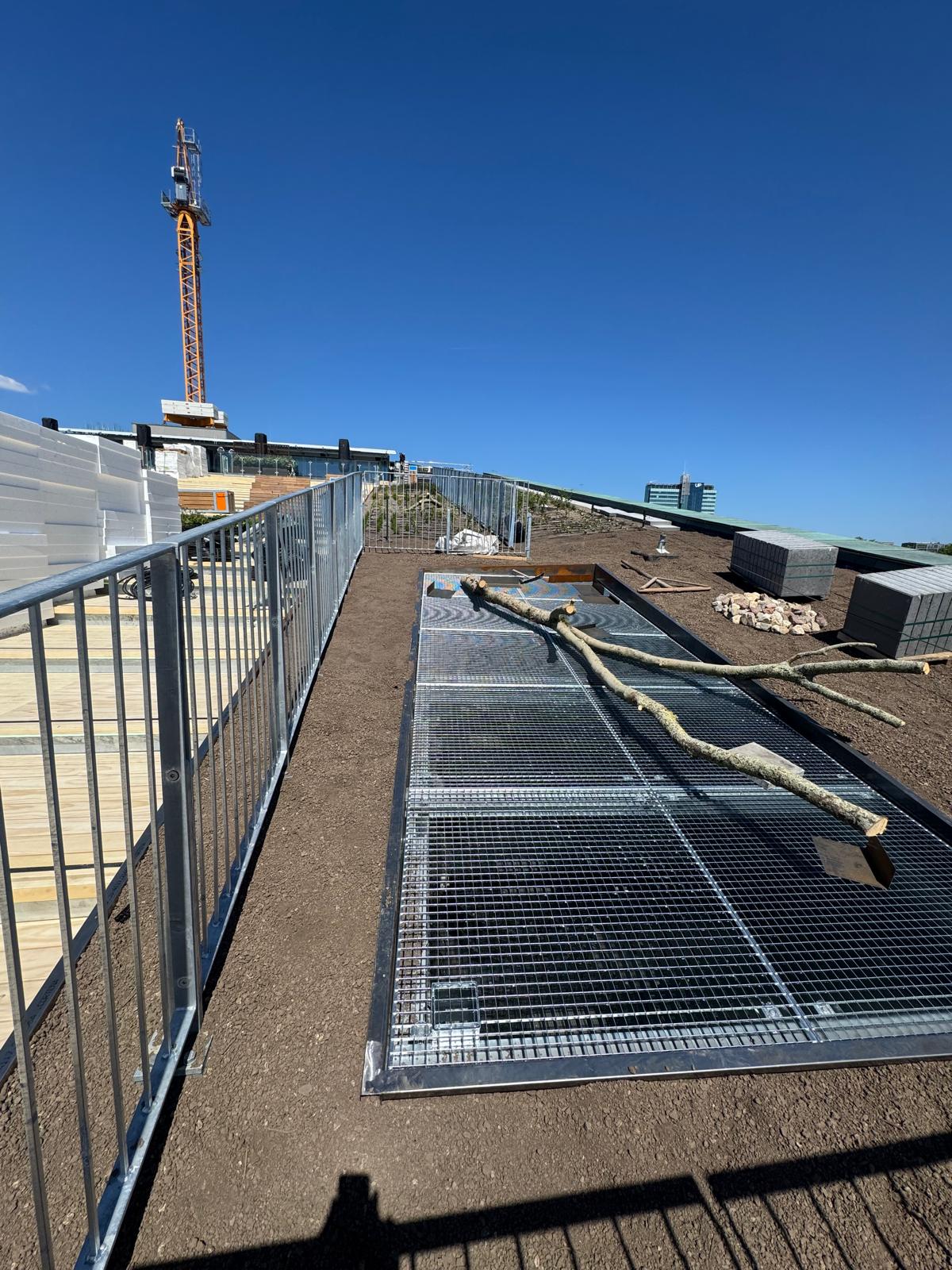
Ook de hekwerken vroegen om een uitzonderlijk nauwkeurige engineering. Omdat deze geplaatst worden in de oplopende groenvoorzieningen variëren de hoogtes sterk; sommige hekwerken bereiken bijna 2,5 meter hoogte ten opzichte van de bouwkundige vloer. Door de openbare functie van het dak gelden bovendien verhoogde veiligheids- en belastingsnormen. Hiervoor zijn zware onderconstructies ontwikkeld die volledig geïntegreerd zijn in het ontwerp.
Tekla Structures als centrale BIM-oplossing
De complexiteit van het project maakte een traditionele 2D-aanpak onmogelijk. Daarom hebben wij binnen het uitvoeringsontwerp een leidende BIM-rol genomen waarbij Tekla Structures centraal stond in het volledige engineerings- en coördinatieproces.
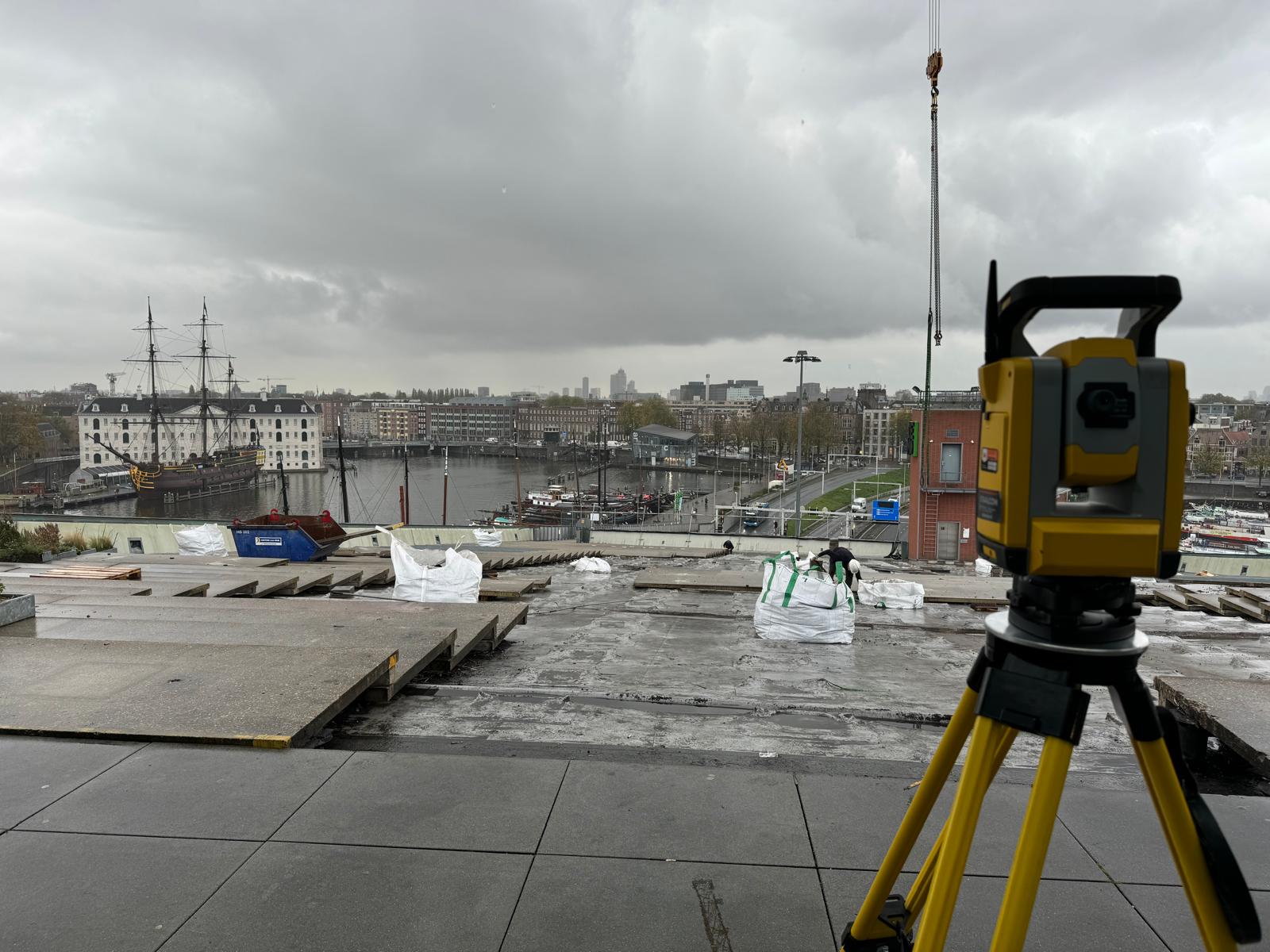
Het bestaande dak is eerst volledig digitaal ingemeten met de Trimble RTS573 Robotic Station. Dankzij de directe koppeling tussen de meetdata en Tekla Structures konden wij de bestaande situatie uiterst nauwkeurig verwerken in het BIM-model. Hierdoor ontstond een betrouwbaar digitaal uitgangspunt voor alle disciplines.
Binnen Tekla Structures hebben wij vervolgens alle staalconstructies parametrisch uitgewerkt. Door de variërende hoogtes, afwijkende aansluitingen en complexe rondingen bood Tekla de mogelijkheid om elk individueel onderdeel exact te modelleren. Vooral bij de honderden unieke inplakpootjes en de lange trapconstructies was deze werkwijze essentieel om maatvoering en montage beheersbaar te houden.
Daarnaast speelde Tekla een cruciale rol in de samenwerking tussen de verschillende partijen. Via IFC-uitwisseling werd het model continu afgestemd met de installateur, aannemer en hovenier. Hierdoor konden clashes vroegtijdig worden gedetecteerd en opgelost, nog voordat de uitvoering startte. De combinatie van pointcloud-data, nauwkeurige modellering en open BIM-uitwisseling zorgde ervoor dat alle disciplines perfect op elkaar aansloten.
Ook in de productiefase leverde het BIM-model grote voordelen op. Vanuit Tekla Structures werden direct de productietekeningen, stuklijsten en montagegegevens gegenereerd. Hierdoor konden fouten worden geminimaliseerd en bleef de hoge uitvoeringssnelheid behouden ondanks de grote geometrische complexiteit van het project.
Resultaat
Het resultaat is een technisch hoogwaardig en duurzaam gerealiseerd daklandschap waarin architectuur, staalbouw, landschap en technologie volledig samenkomen. Dankzij de integrale BIM-aanpak en het intensieve gebruik van Tekla Structures konden complexe vormen, grote toleranties en multidisciplinaire samenwerking succesvol worden samengebracht. Daarmee draagt dit project niet alleen bij aan de toekomst van NEMO, maar laat het ook zien hoe digitale engineering en BIM een sleutelrol spelen in hedendaagse complexe renovatie- en transformatieprojecten.
NEMO Science Museum – BIM and Steel Construction on the Highest City Square in the Netherlands
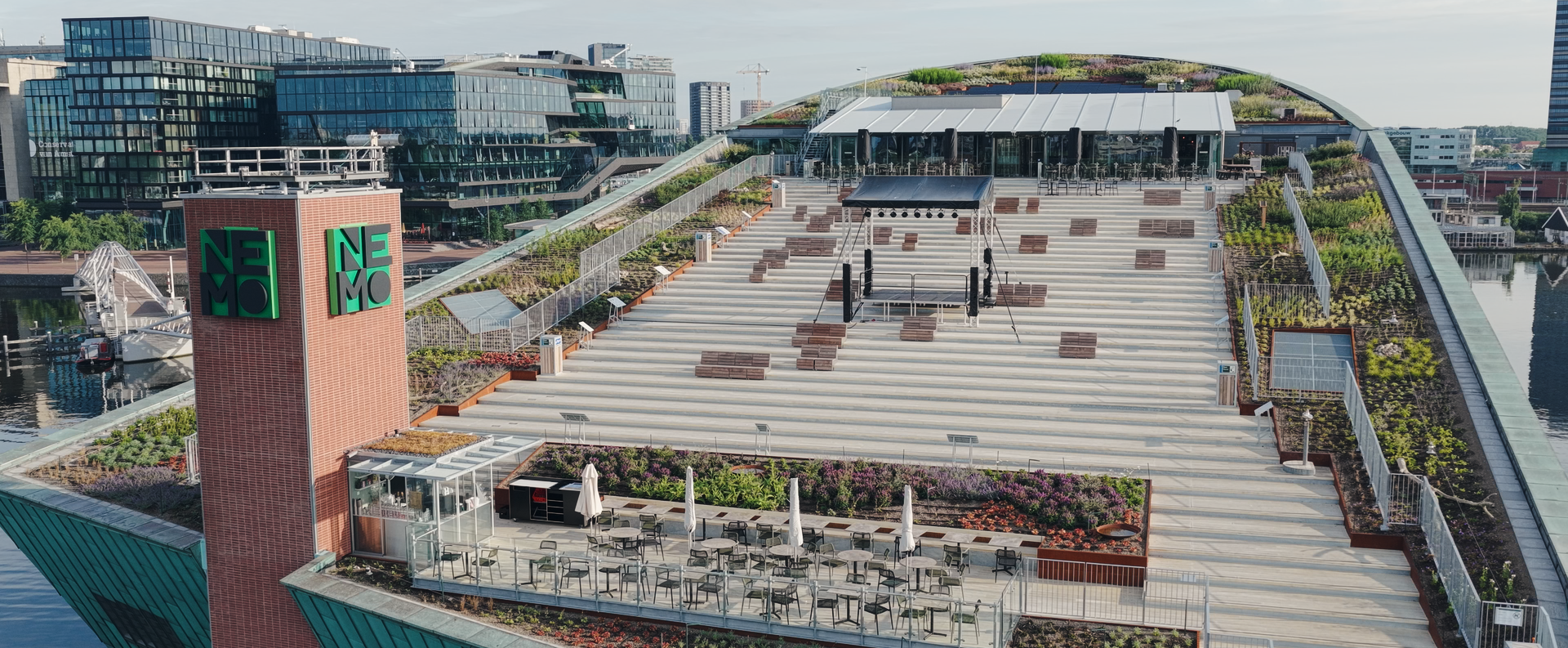
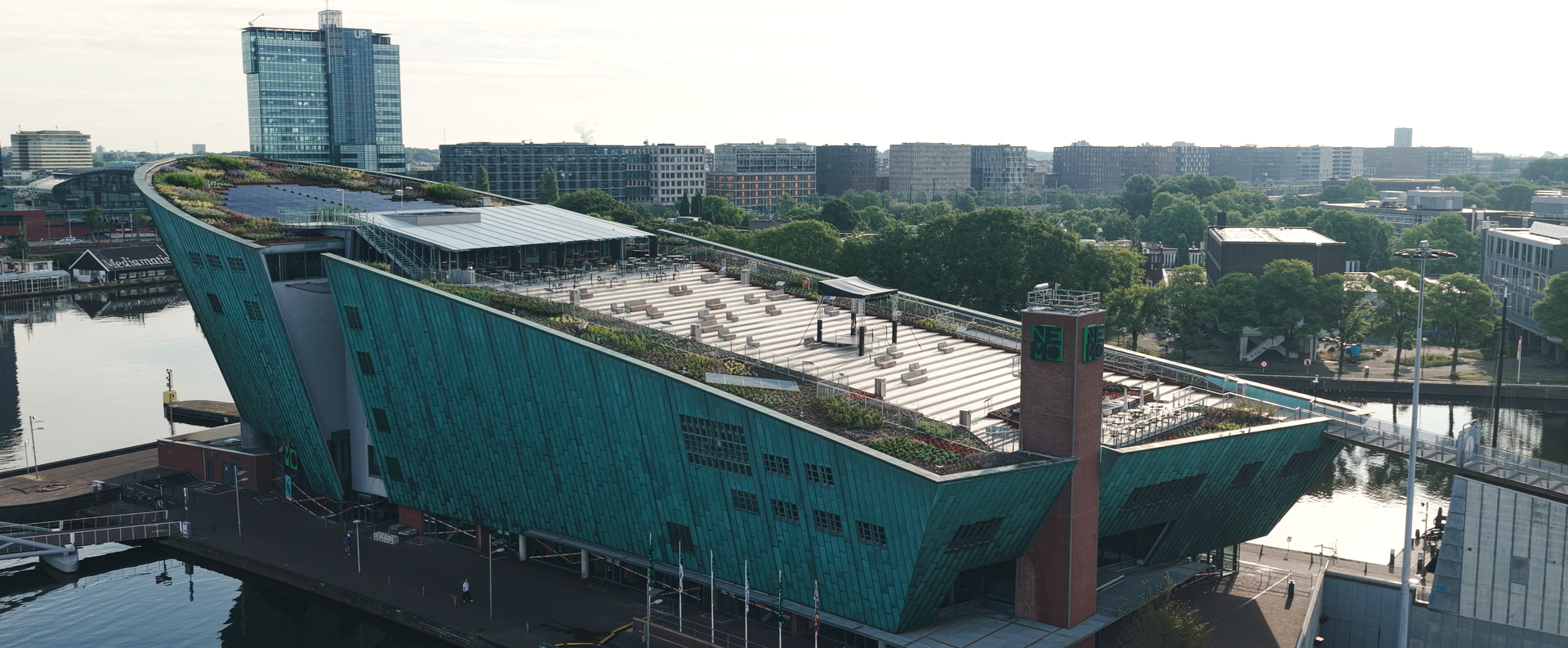
The roof of NEMO Science Museum is the highest city square in the Netherlands and offers a spectacular view over the city of Amsterdam. Renowned architect Renzo Piano originally designed the iconic building as an Italian piazza: a public meeting place where people come together, relax, and experience unexpected encounters.
After many years of intensive use, the roof required major maintenance. At the same time, this created an opportunity to redesign the square based on Piano’s original vision, combined with NEMO’s ambitions for sustainability and the future. In the renewed design, the roof is transformed into a green oasis with an open-air stage where science, technology, and social interaction take center stage. The completion in 2025, the year Amsterdam celebrates its 750th anniversary, makes the renewed roof a special gift from NEMO to the city.
Our Contribution
Within this project, we were responsible for the engineering, production, and delivery of various steel structures and railings, including:
– 550 bonded support posts
– 880 meters of stair structure
– Steel structure for the viewing point
– Steel structures around the kiosk
– Steel structures around the ventilation shaft
– 150 meters of flat bar railing
– 80 meters of glass railing
Complex Existing Conditions
The main technical challenge of this project was the existing roof structure. The roof consists of an in-situ cast hollow-core slab floor that slopes downward in one large continuous curve, comparable to a giant spiral staircase centered around Amsterdam Centraal Station.
The new stair structure, however, runs in straight lines across this curved geometry. This resulted in a unique situation where nearly every support point required different dimensions. No two support posts were identical. In addition, due to tolerances in the original concrete casting process, the existing floor was nowhere perfectly level or consistent.
The railings also required exceptionally precise engineering. Because they are positioned within the sloping landscaped areas, the heights vary significantly, with some railings reaching almost 2.5 meters above the structural floor level. Due to the roof’s public function, increased safety and load requirements also applied. To accommodate these forces, heavy substructures were developed and fully integrated into the design.
Tekla Structures as the Central BIM Solution
The complexity of the project made a traditional 2D approach impossible. Therefore, we took a leading BIM role within the execution design process, with Tekla Structures serving as the central platform throughout the entire engineering and coordination workflow.
The existing roof was first fully digitally surveyed using the Trimble RTS573 Robotic Station. Thanks to the direct integration between the survey data and Tekla Structures, we were able to accurately process the existing conditions into the BIM model. This created a highly reliable digital foundation for all involved disciplines.
Within Tekla Structures, all steel structures were then developed parametrically. Due to the varying heights, irregular connections, and complex curves, Tekla enabled us to model every individual component with precision. This workflow was especially essential for the hundreds of unique bonded support posts and the extensive stair structures, ensuring that dimensions and installation remained fully manageable.
Tekla also played a crucial role in the collaboration between all project stakeholders. Through IFC-based model exchange, the BIM model was continuously coordinated with the installer, contractor, and landscape architect. This allowed clashes and conflicts to be detected and resolved at an early stage, long before construction began. The combination of point cloud data, accurate modeling, and open BIM collaboration ensured seamless integration between all disciplines.
The BIM model also delivered major advantages during production. Production drawings, material lists, and assembly data were generated directly from Tekla Structures. This minimized errors and maintained a high execution speed despite the project’s extensive geometrical complexity.
Result
The result is a technically advanced and sustainably realized rooftop landscape in which architecture, steel construction, landscape design, and technology come together seamlessly. Thanks to the integrated BIM approach and the intensive use of Tekla Structures, complex geometries, significant tolerances, and multidisciplinary collaboration were successfully managed and coordinated.
This project not only contributes to the future of NEMO, but also demonstrates how digital engineering and BIM play a key role in today’s complex renovation and transformation projects.
Lasă comentariul tău


Construsoft is an authorized Tekla Structures vendor and provides training, technical support, and other services to its customers.
For more information, please visit our website:
construsoft.comTekla is a Trimble Company © Copyright 2026 Tekla