Stadsschouwburg Kortrijk
| Categorie | Publieke projecten |
|---|---|
| Jaar | 2026 |
| Land | Benelux |
| Organisatie | Metadecor |
| Projectpartners | Onze opdrachtgever: Bouwbedrijf Furnibo N.V. | Architect: WIT architecten |
| Auteur | Lennart van de Bruinhorst |
| Cliënt | Bouwbedrijf Furnibo N.V. |
| Plaats van constructie | Kortrijk |
| Tags | Trimble Connect ExtensionsPrefabInterfaceTekla StructuresTrimble ConnectSteel |
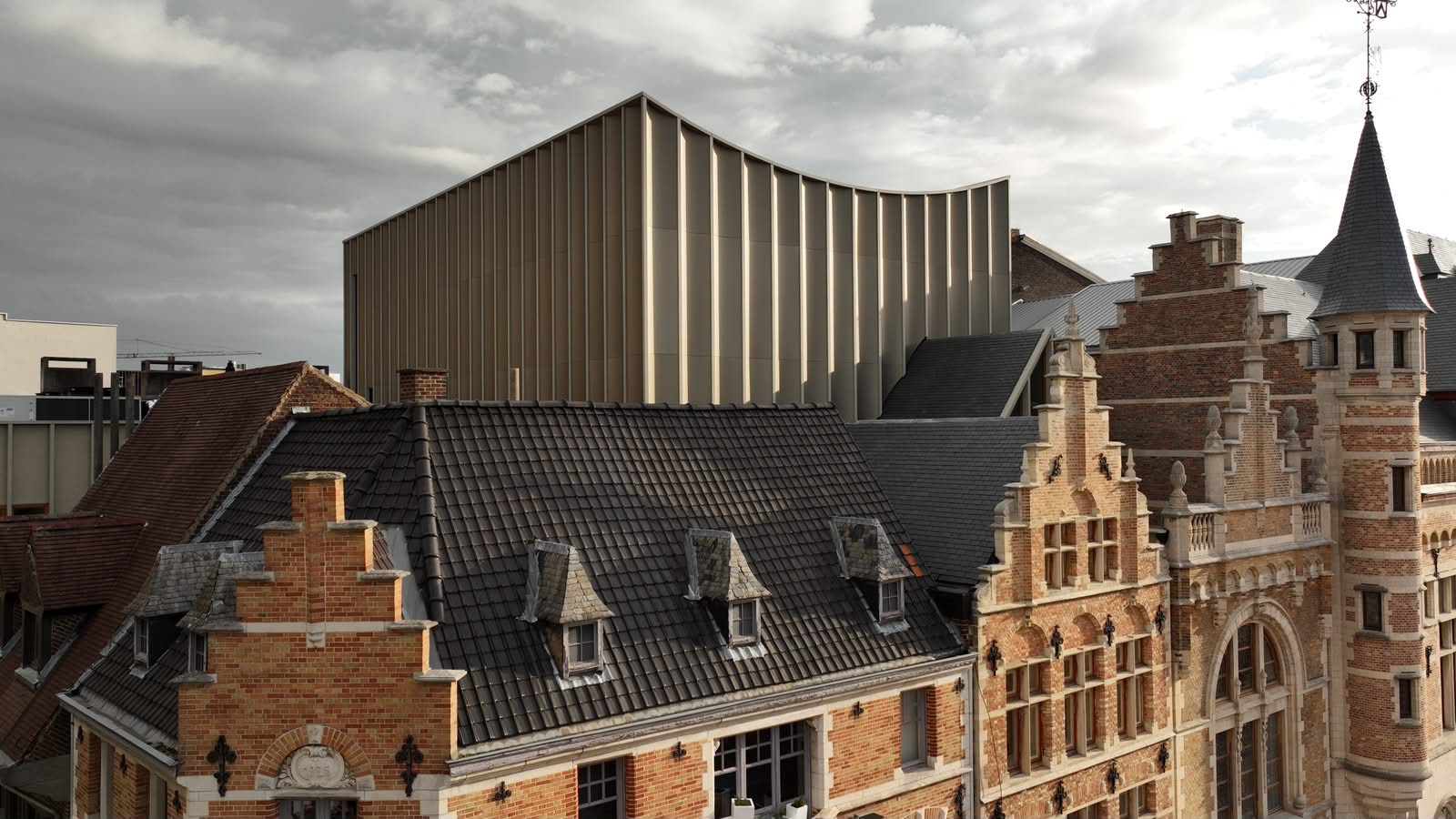
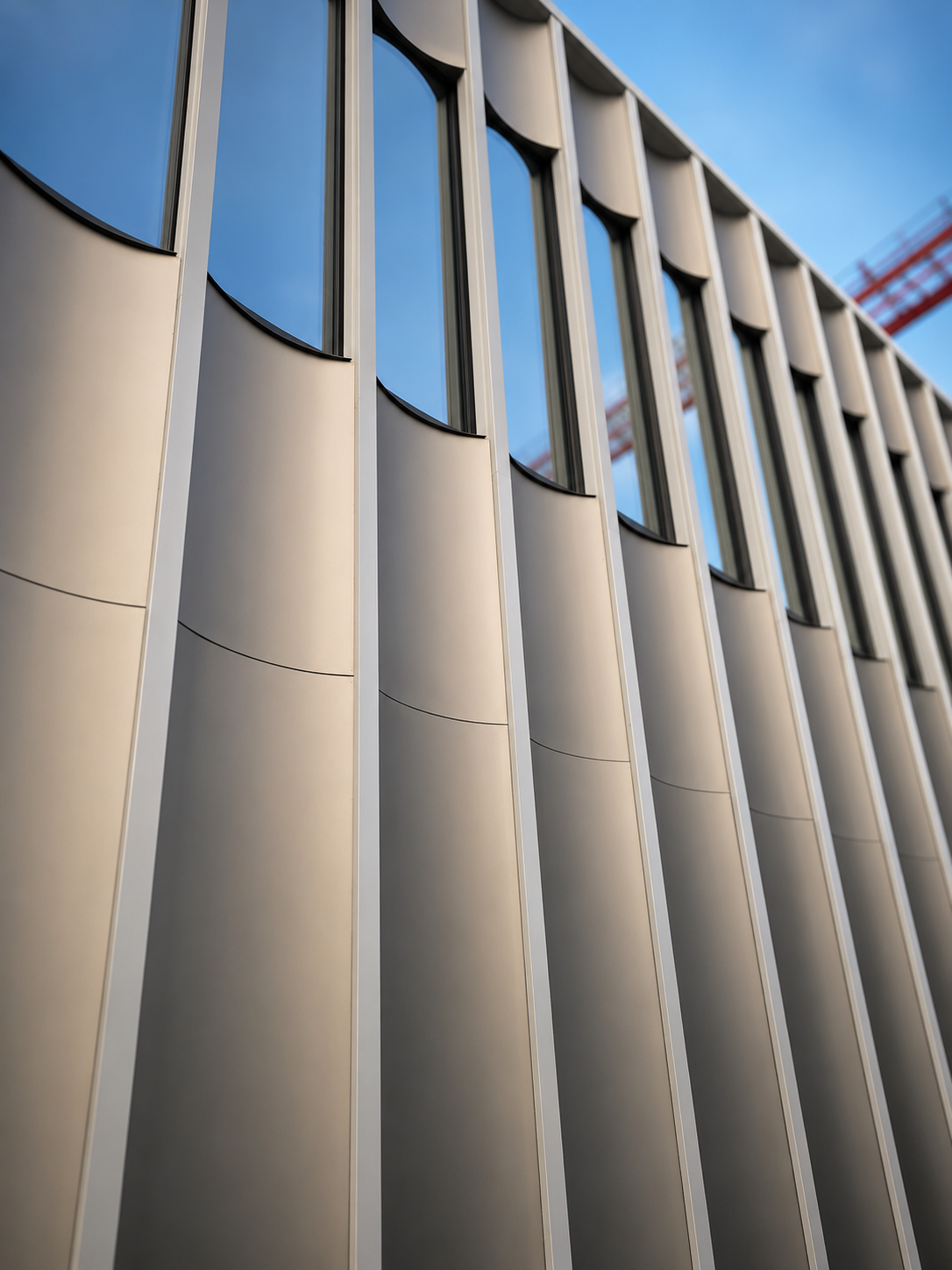
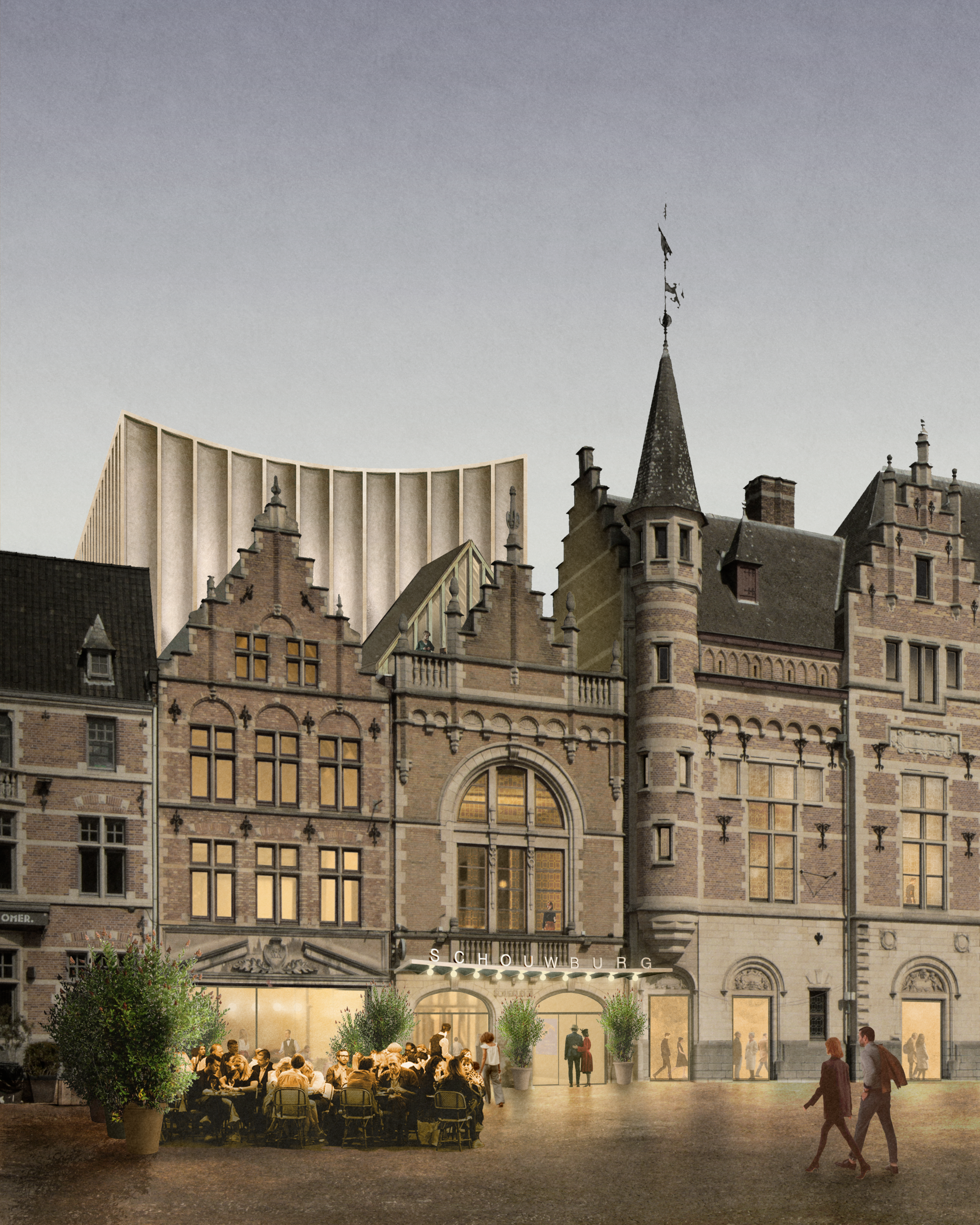
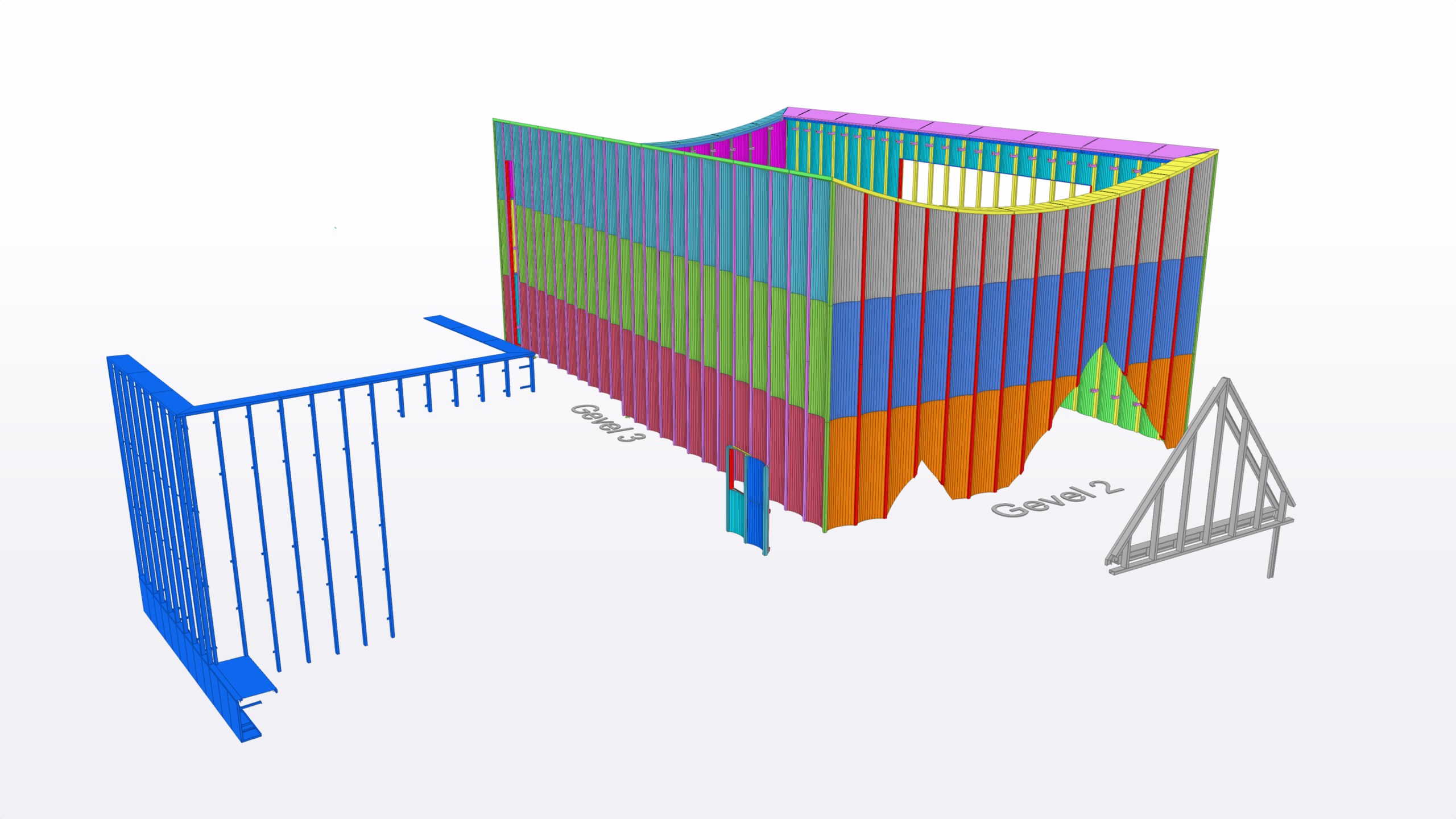
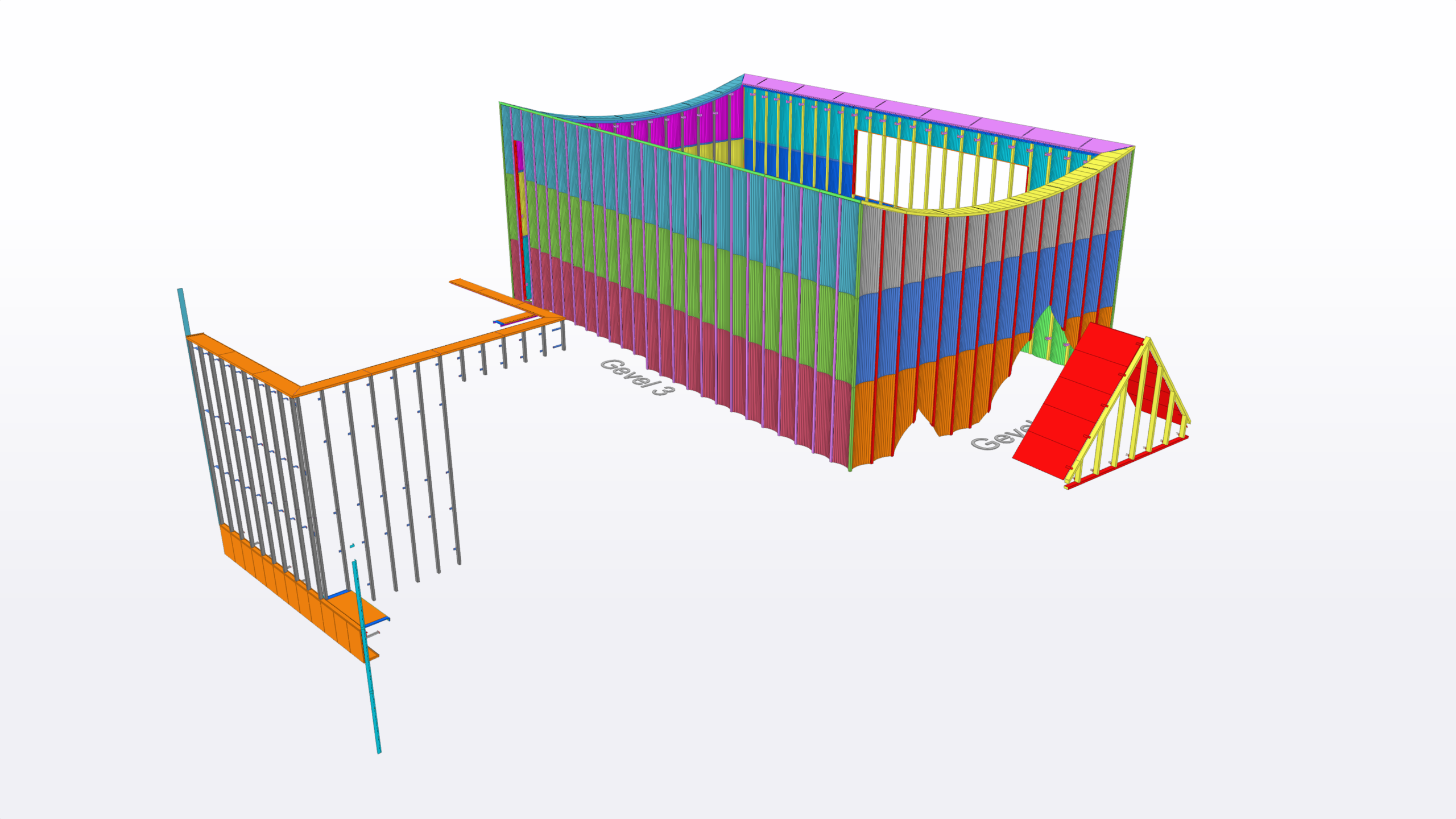
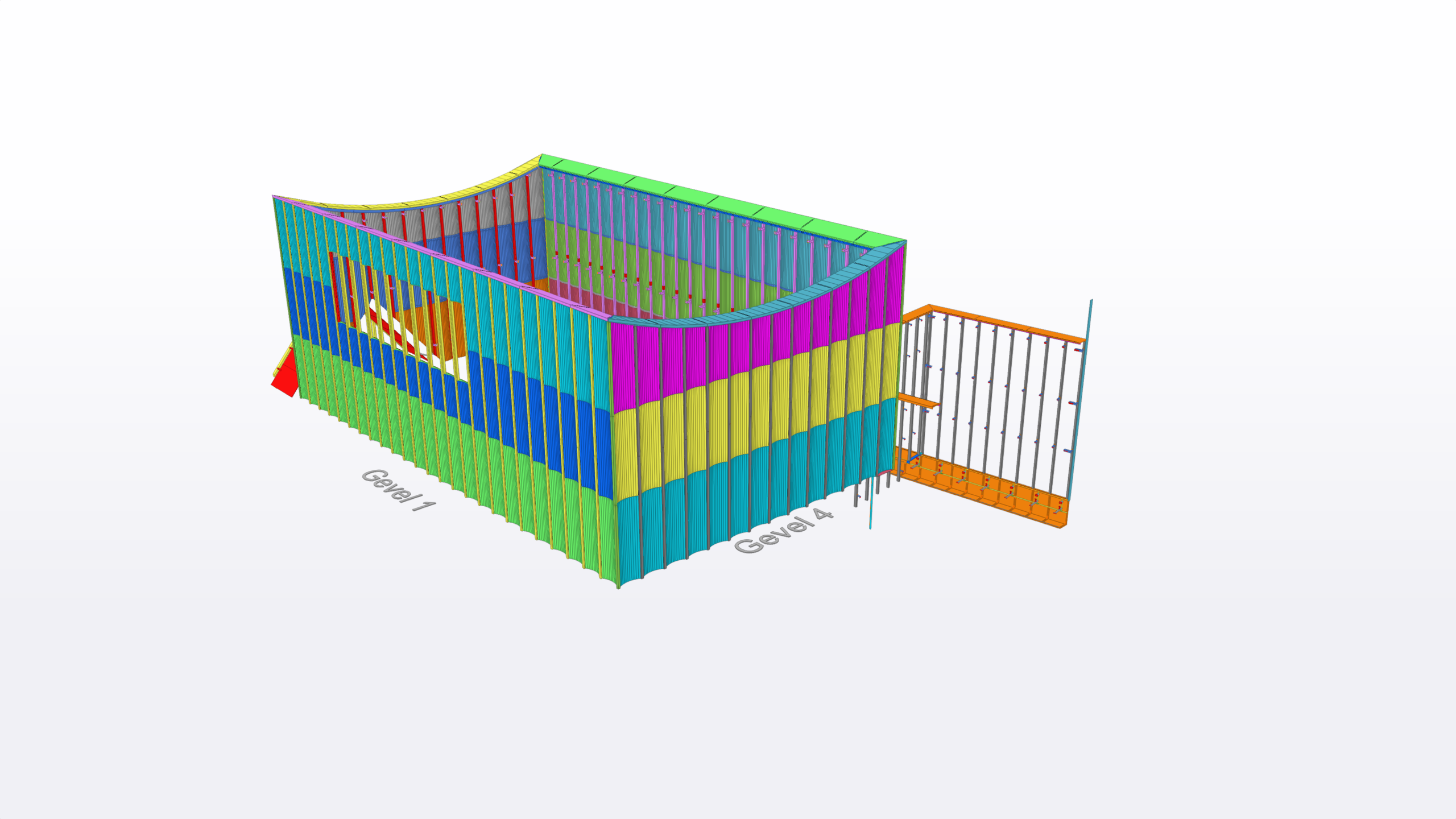
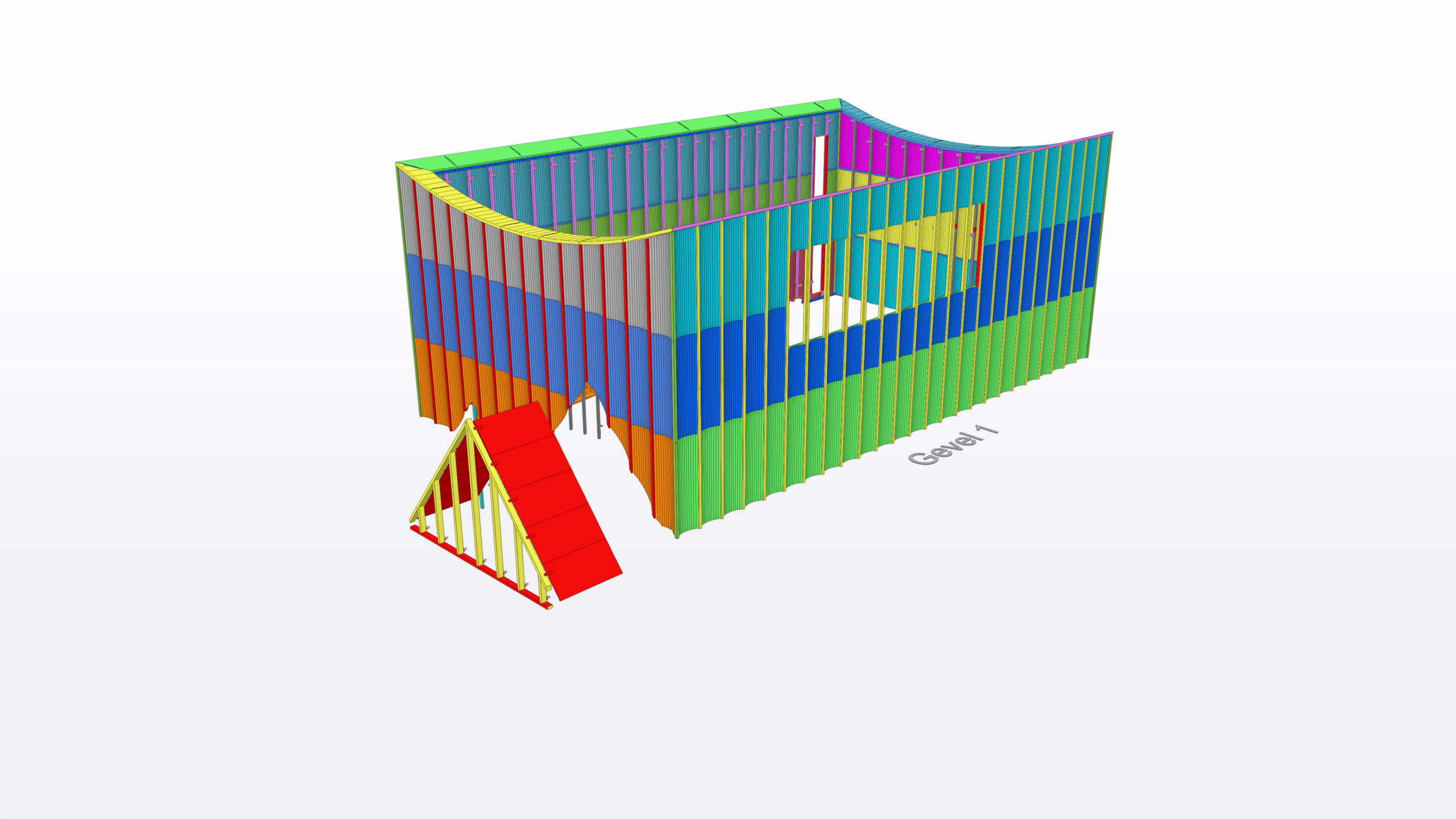
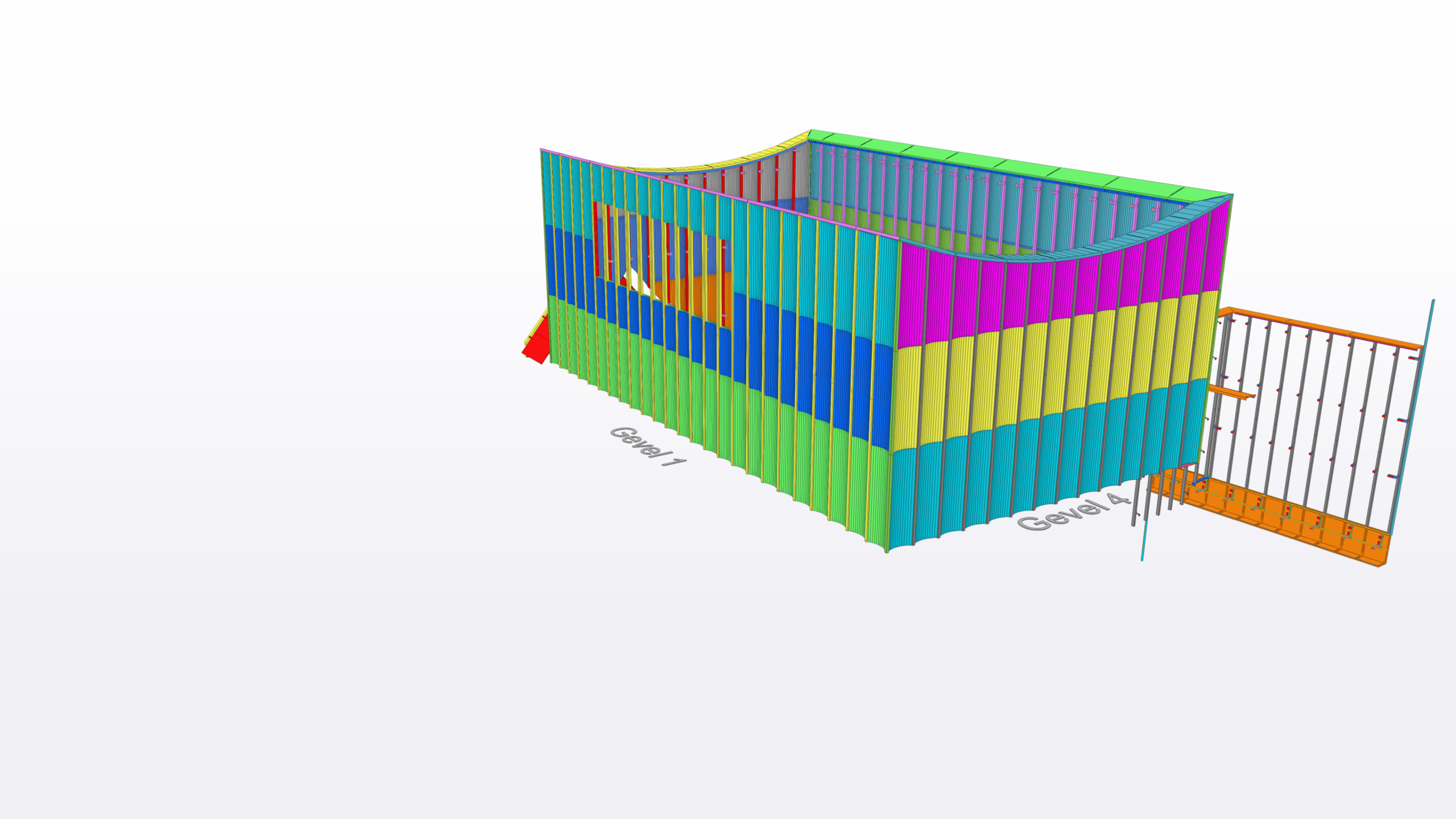
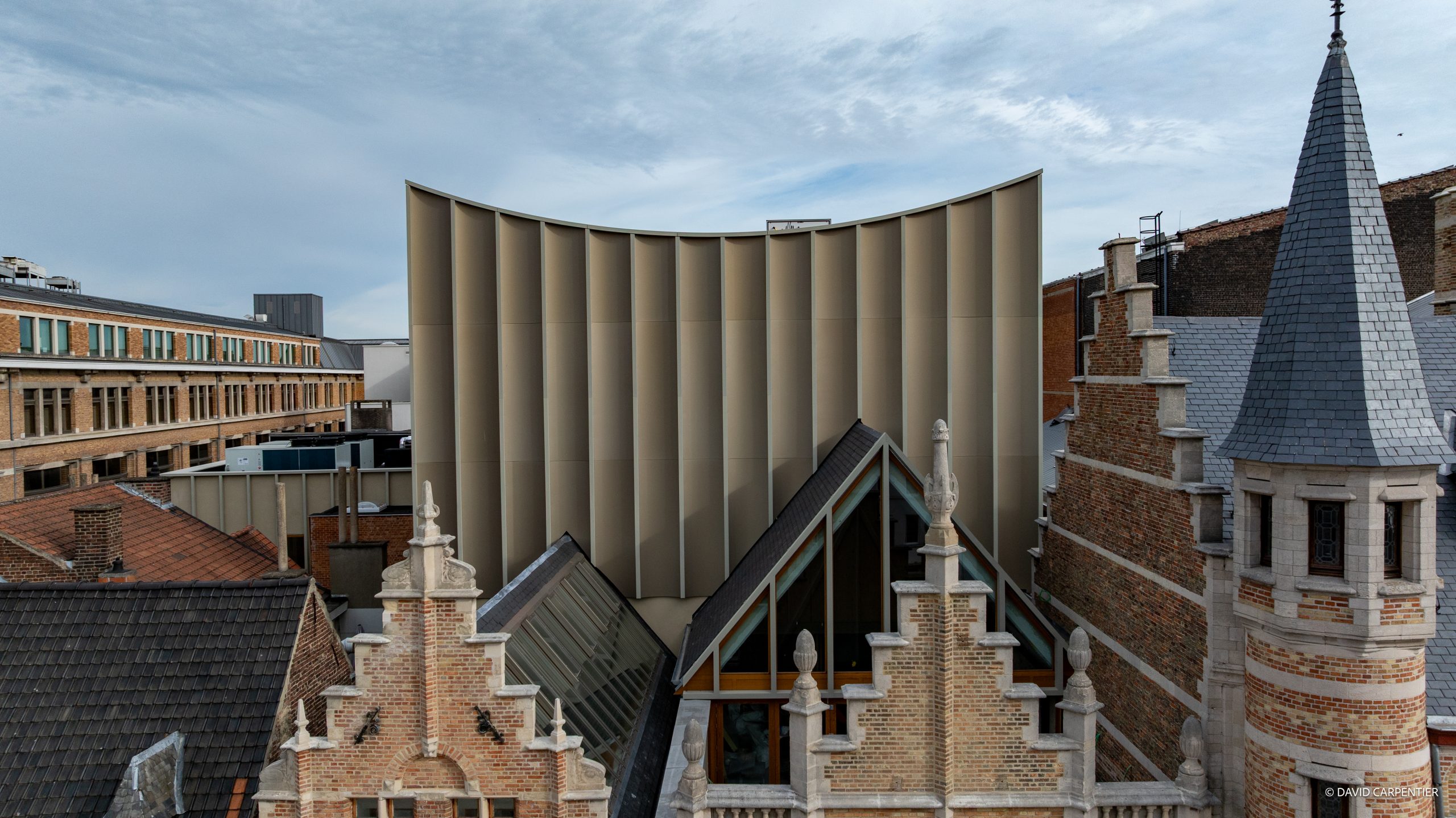
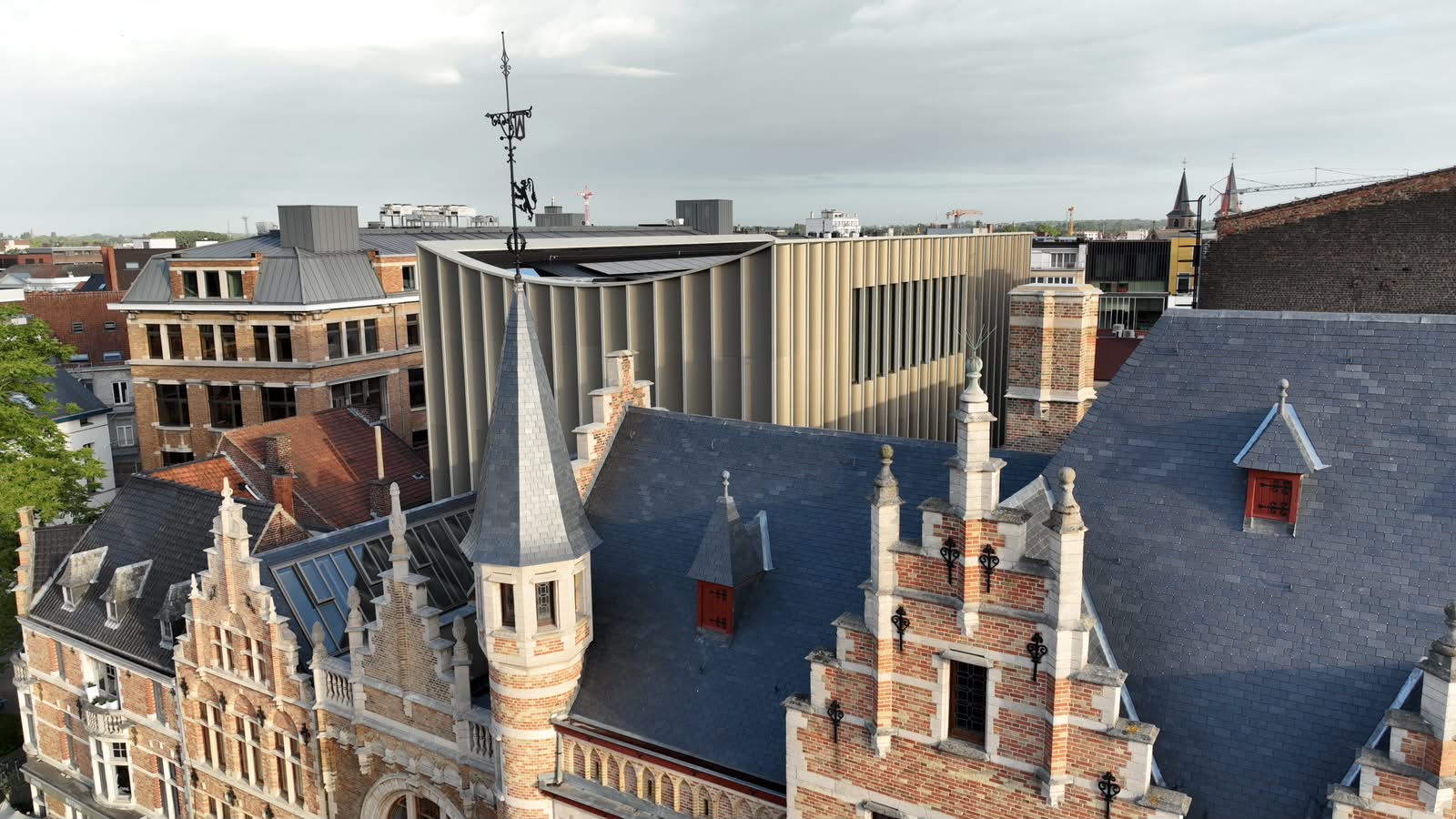
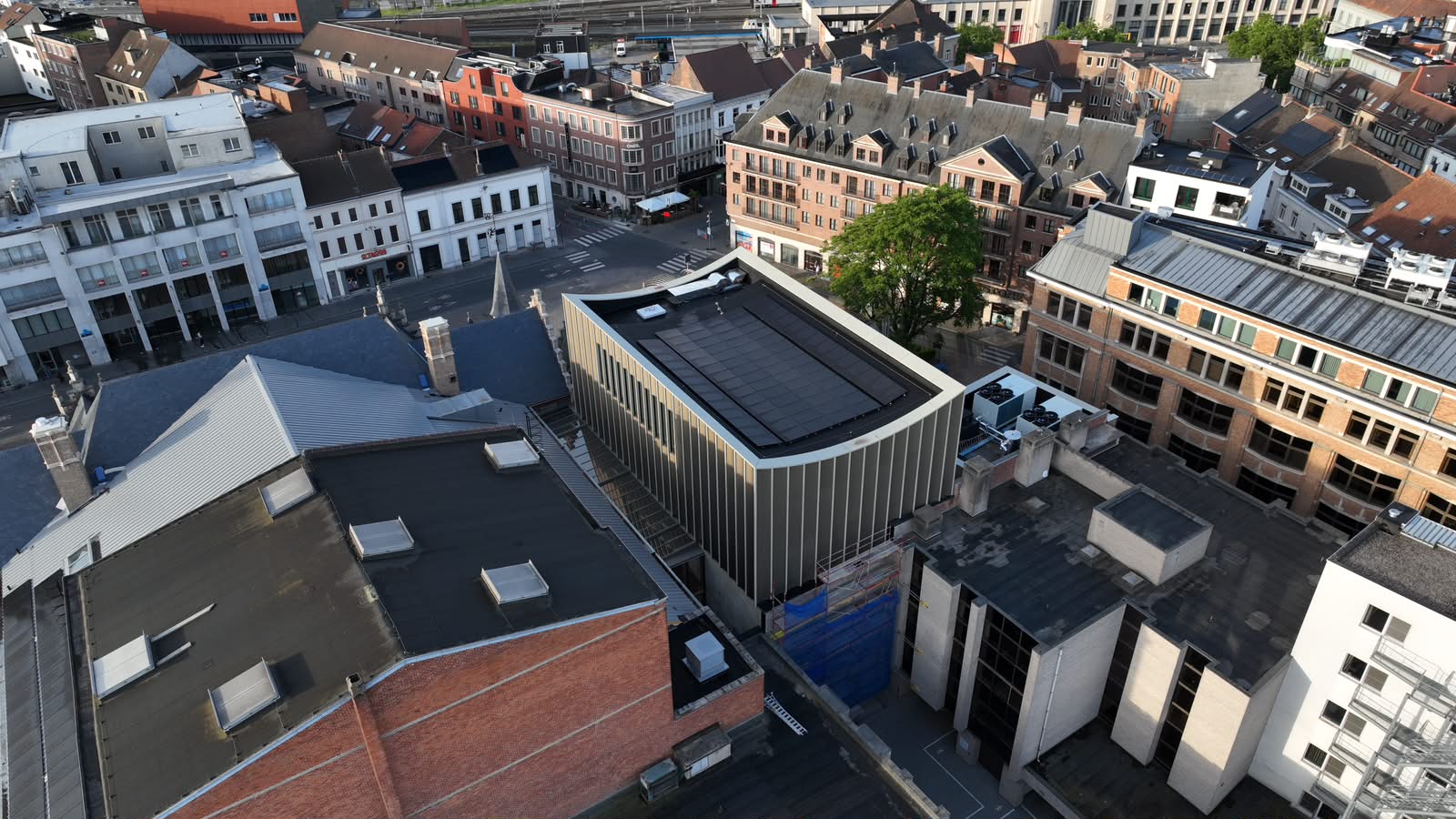
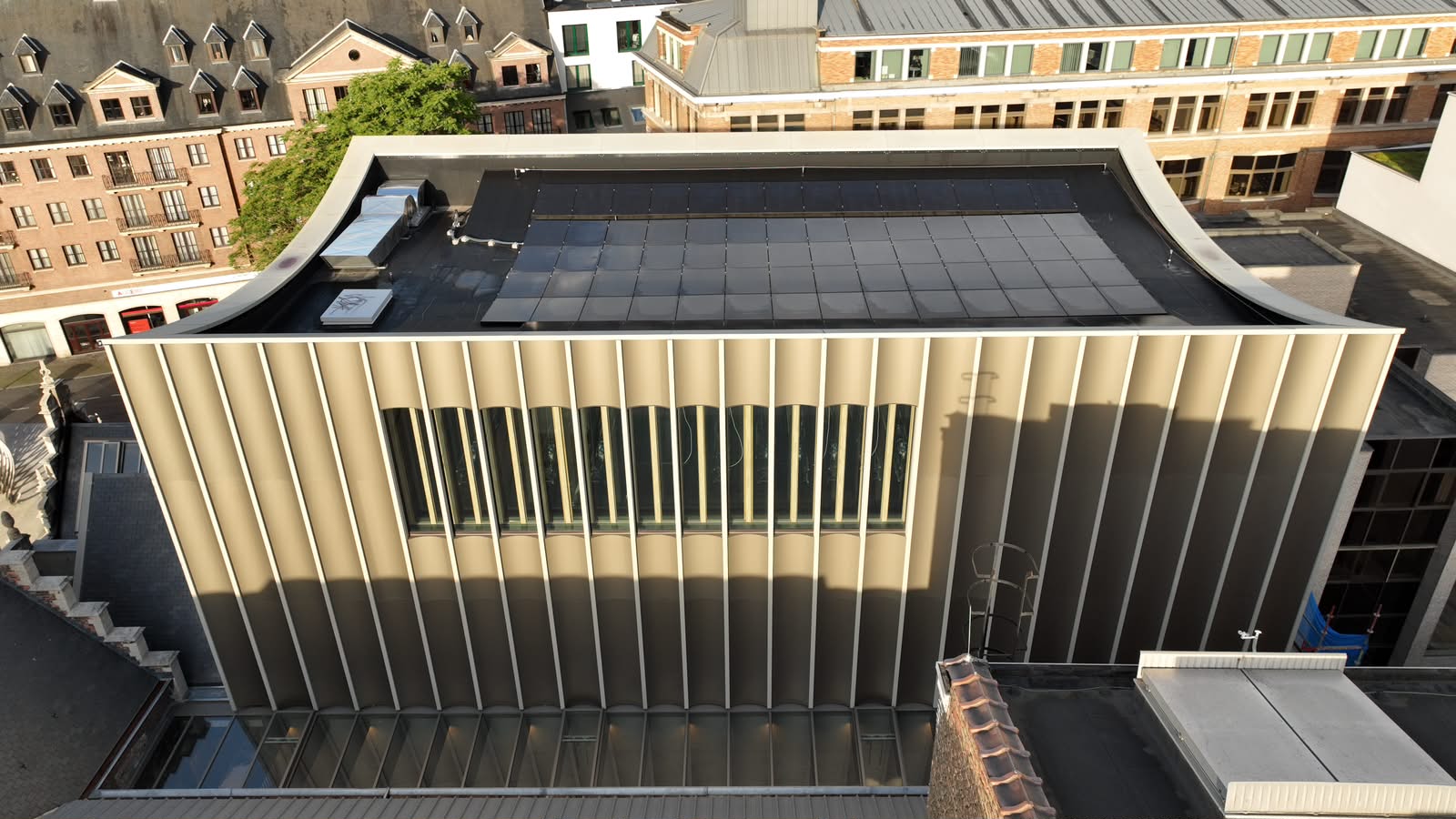
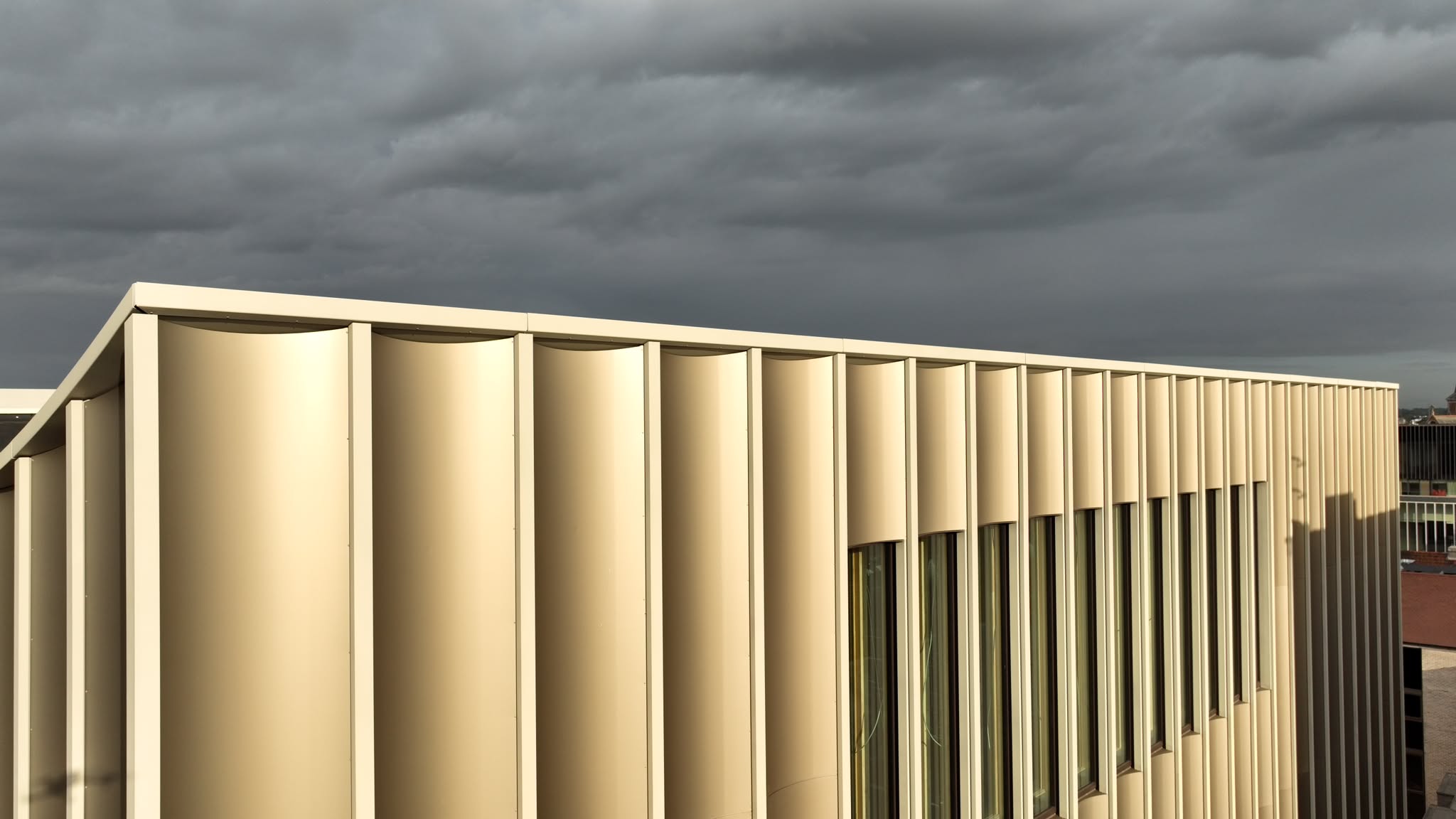
De renovatie en uitbreiding van de Stadsschouwburg Kortrijk vraagt om een nauwkeurige balans tussen architectonische uitstraling, technische maakbaarheid en uitvoering binnen een bestaande stedelijke context. Metadecor realiseert voor dit project de gekromde aluminium gevelbekleding met MD Shapes en verticale MD Lamellen, waarbij complexe geometrieën, detaillering en toleranties samenkomen in één geïntegreerd BIM-proces.
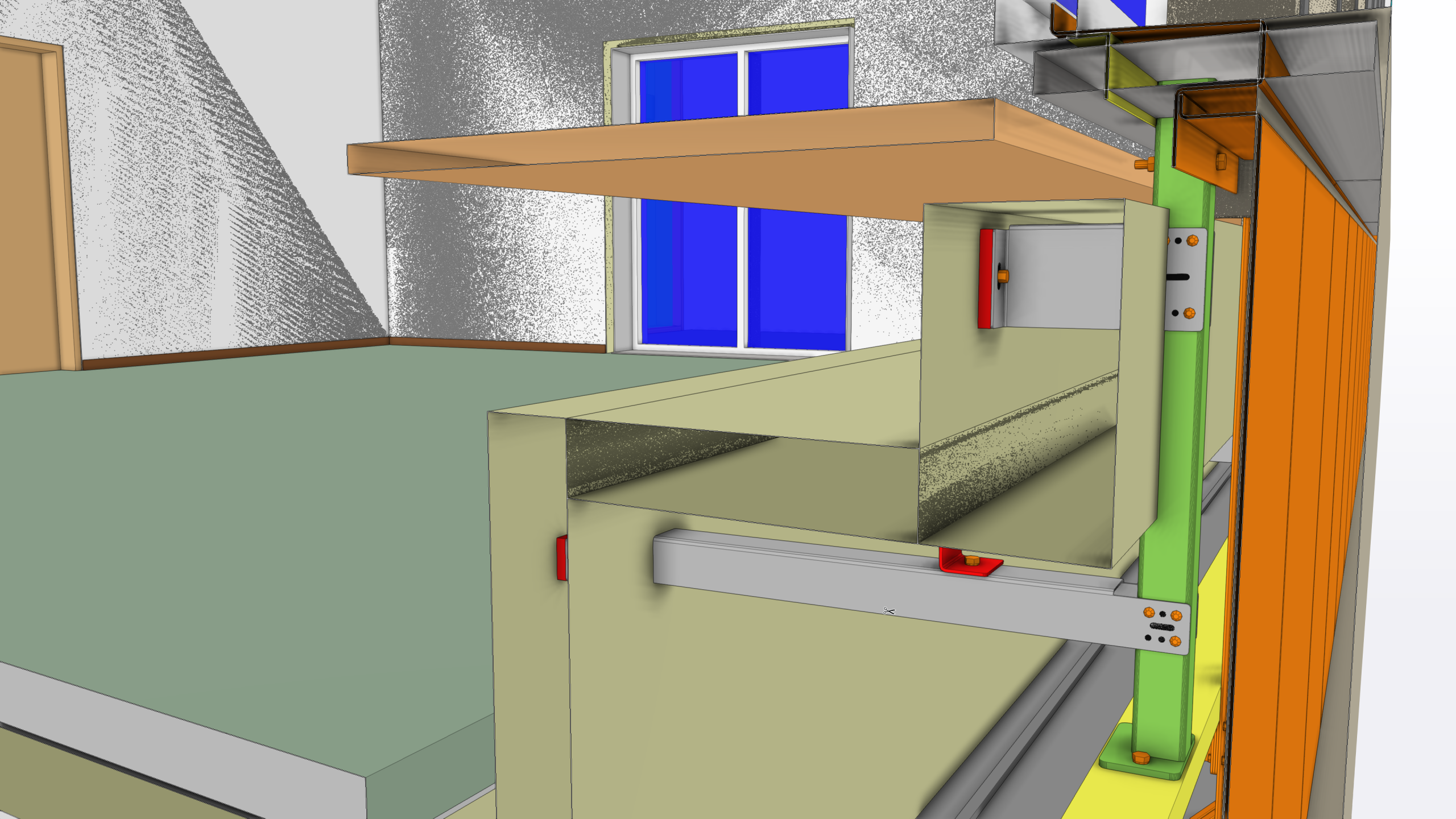
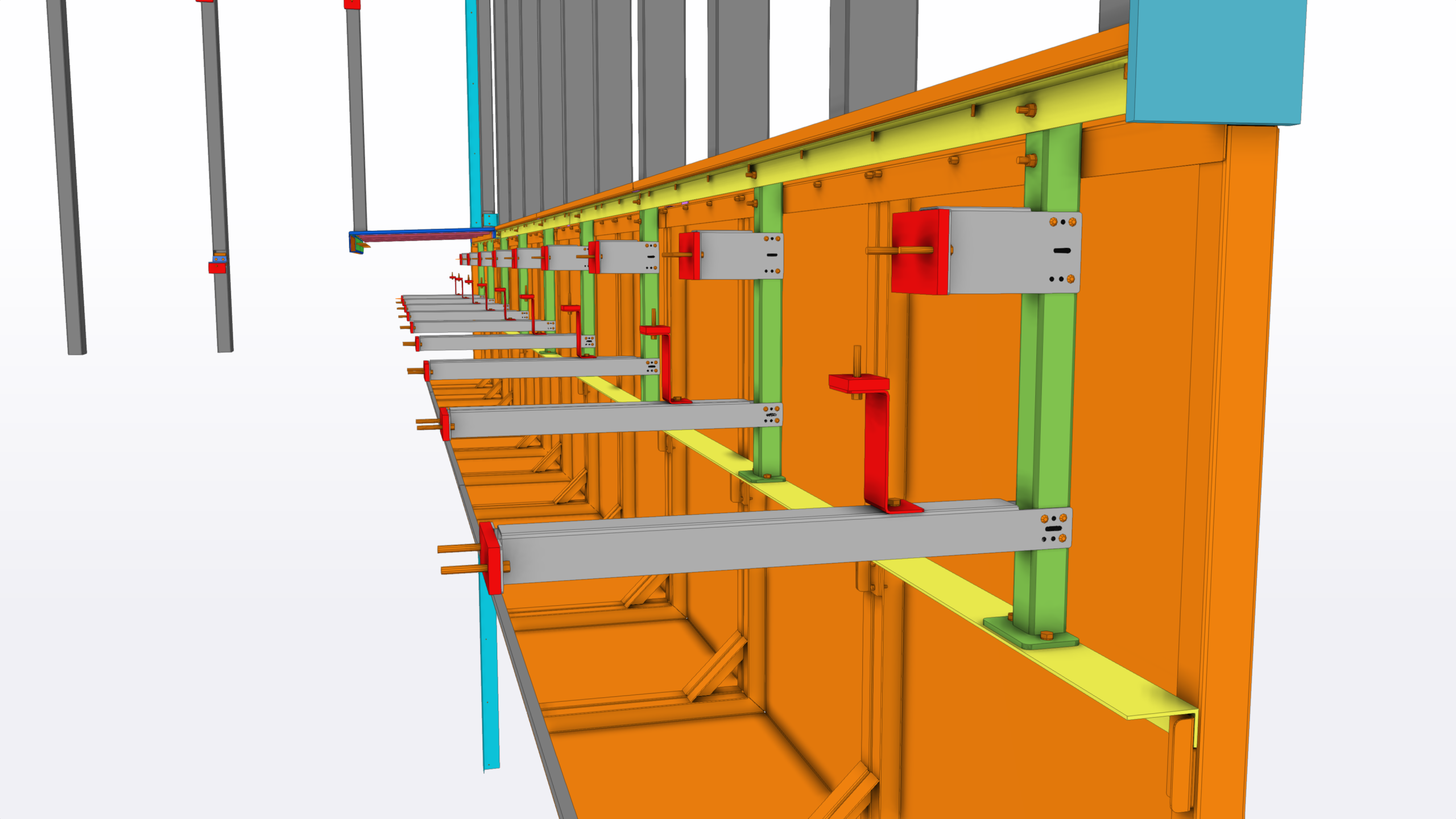
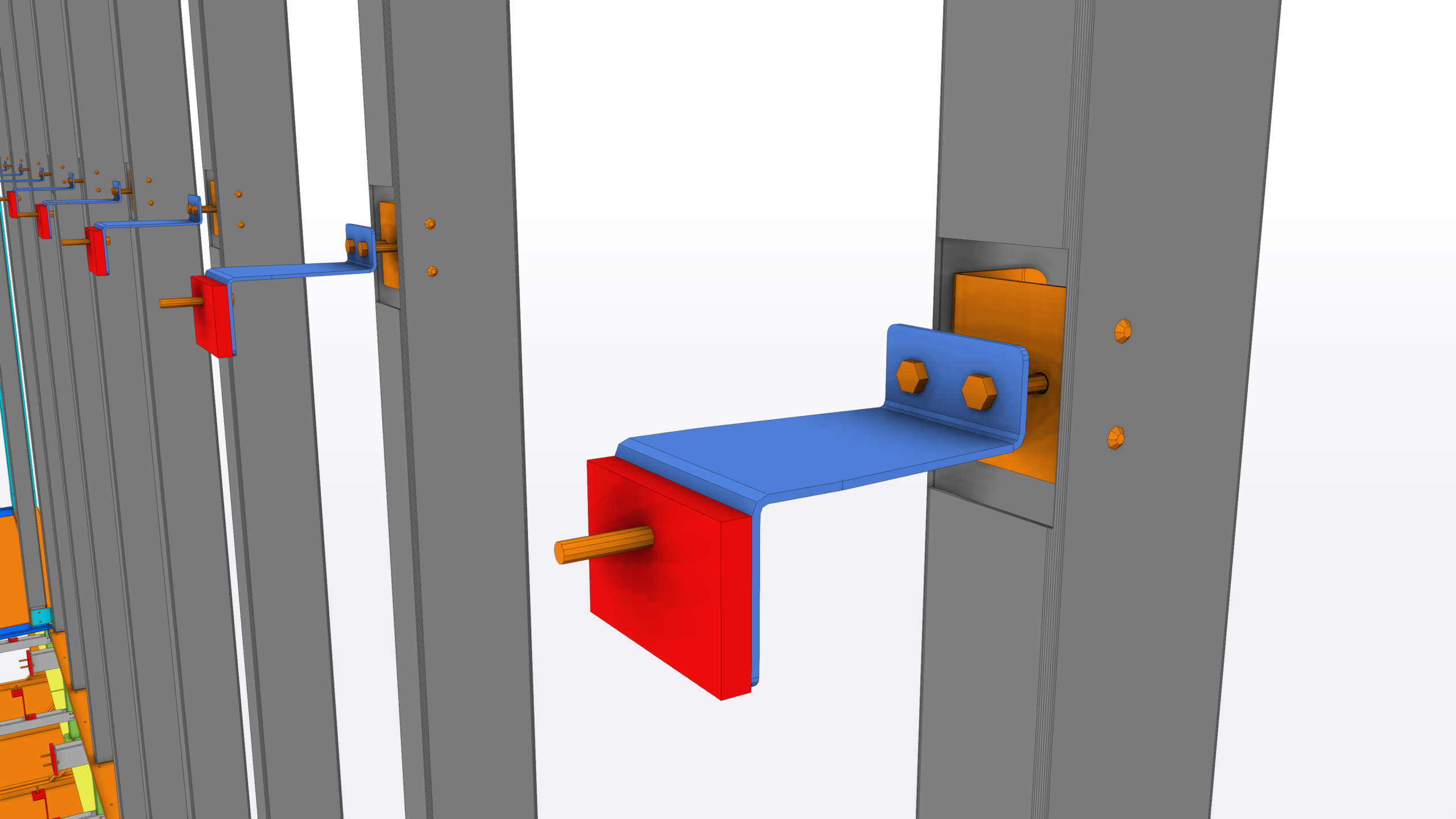
Door het project volledig in BIM uit te werken met Trimble-software konden afwijkingen in de bestaande constructie vroegtijdig inzichtelijk worden gemaakt en werden bevestigingen, stelvoorzieningen en hoekdetails nauwkeurig afgestemd op de bouwkundige realiteit.
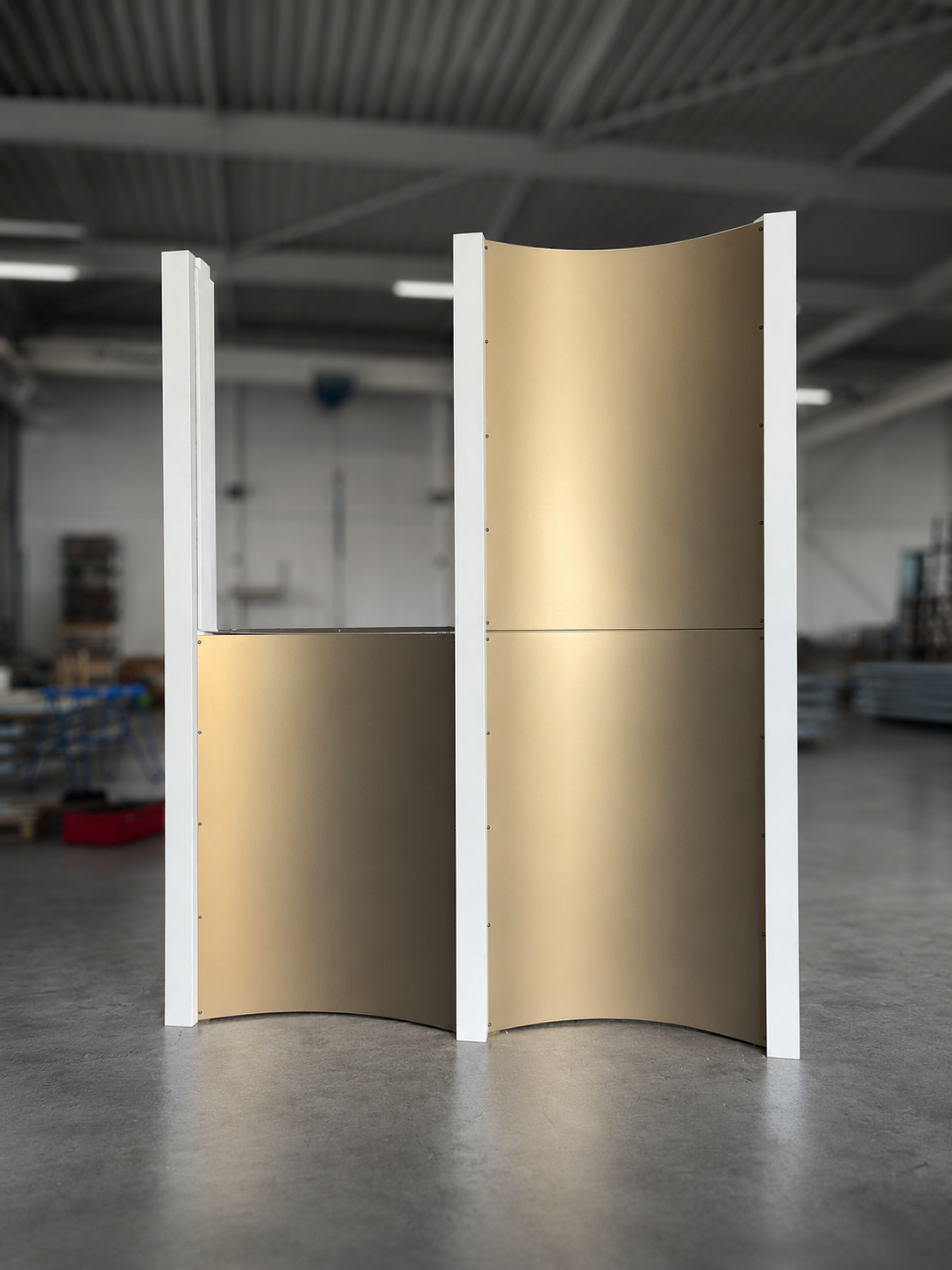
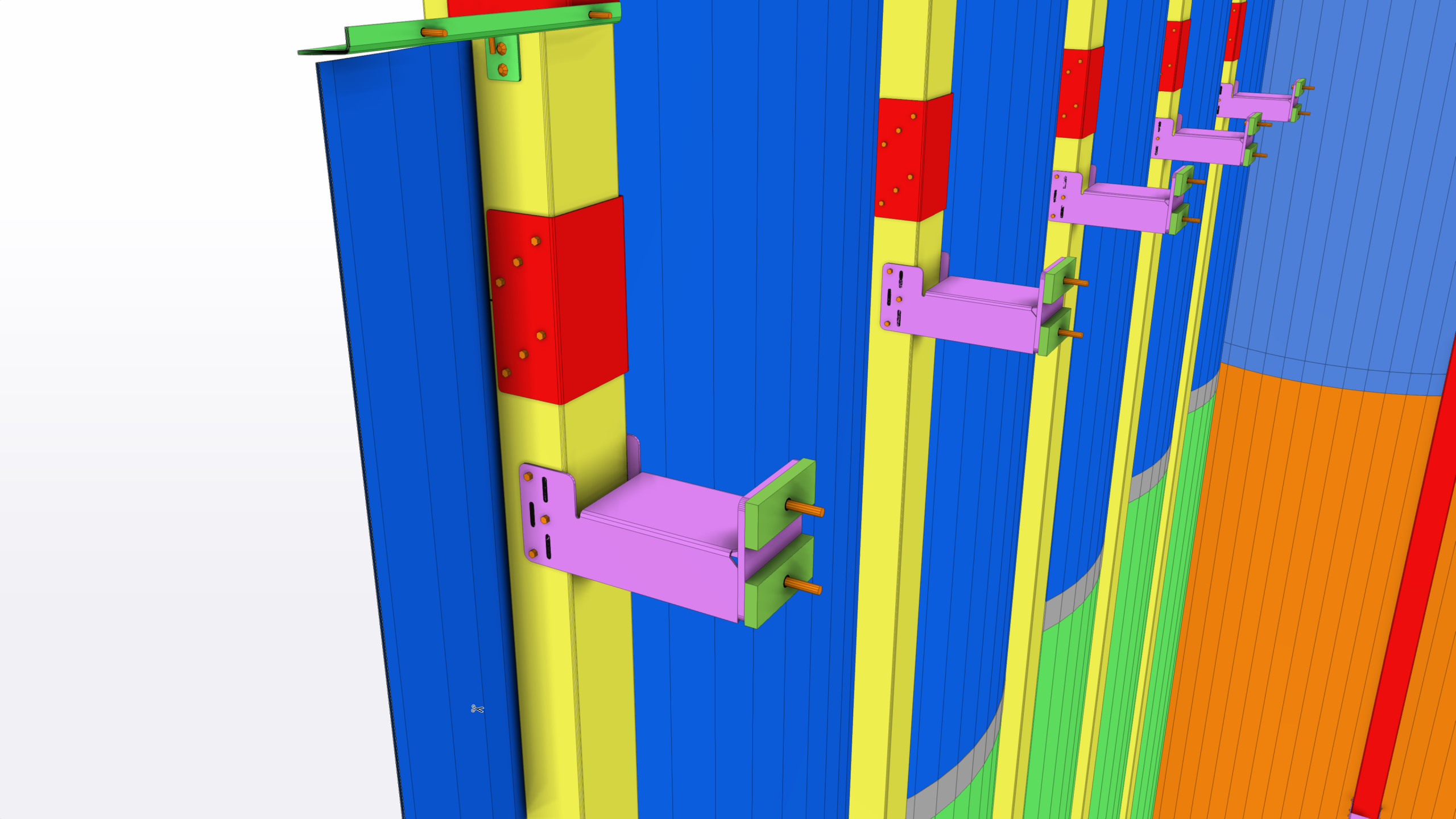
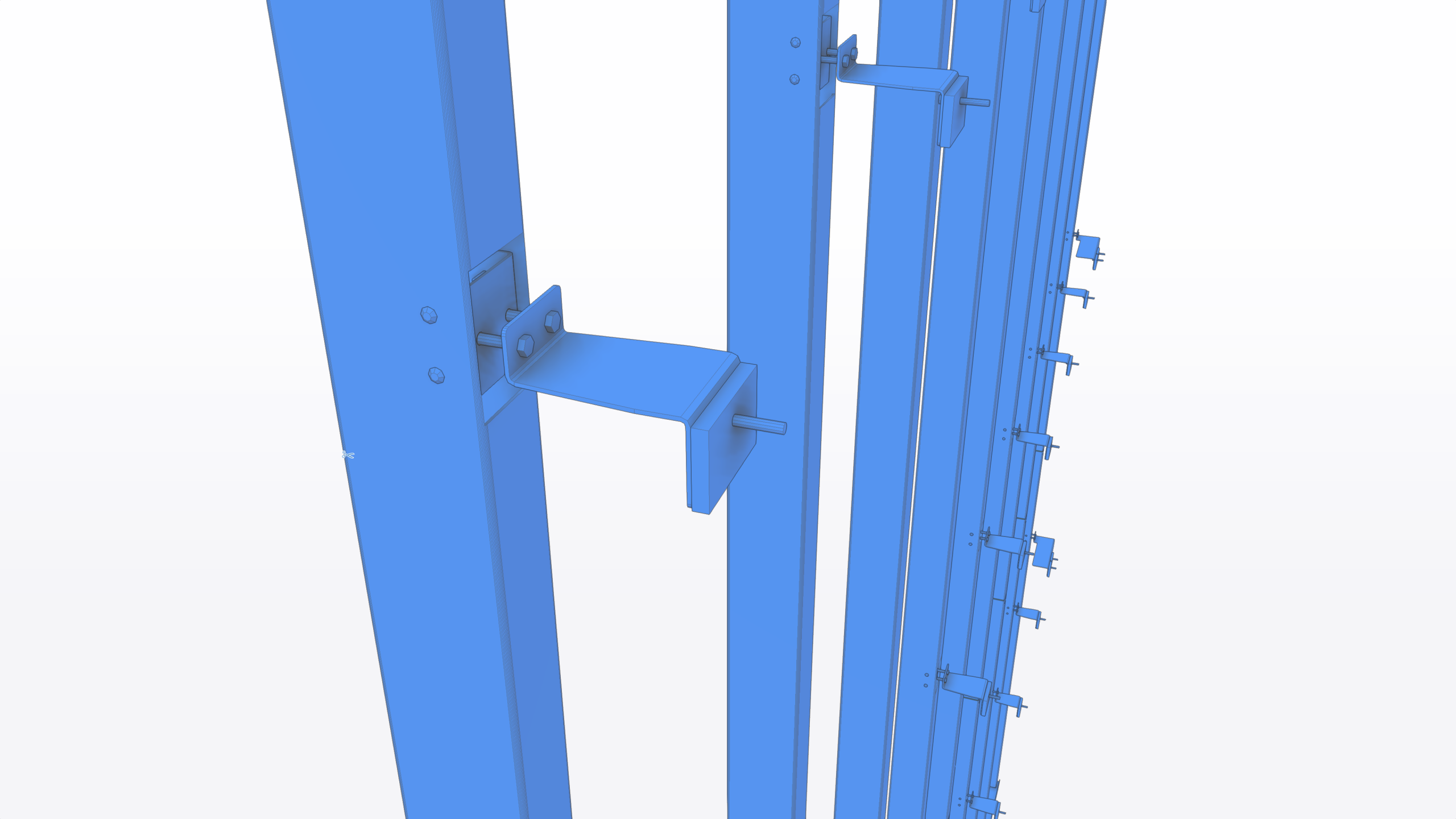
Door de complexe geometrieën parametrisch uit te werken in Tekla Structures ontstond één centraal model waarin engineering, productie en montage volledig samenkwamen. Hierdoor konden gewalste panelen, maatwerk extrusieprofielen, bevestigingen en stelvoorzieningen vooraf nauwkeurig op elkaar worden afgestemd. Ook montagefasering, toleranties en afwijkingen in de bestaande bouw werden al vroeg inzichtelijk gemaakt, waardoor gedurende het hele proces maximale controle ontstond over uitvoering, maakbaarheid en afstemming tussen alle disciplines.
Vooral de combinatie van gewalste, geanodiseerde panelen, maatwerk extrusieprofielen en de wens om het architectonische beeld exact te benaderen, vroeg om intensieve coördinatie tussen engineering, productie en uitvoering. Dankzij BIM ontstond niet alleen een technisch uitvoerbaar model, maar ook een efficiënter productie- en montageproces met minimale faalkosten en maximale controle over esthetiek, materiaalgebruik en duurzaamheid.
Fotocredits: David Carpentier van FlandersFilm
The renovation and expansion of the Kortrijk City Theatre required a careful balance between architectural ambition, technical feasibility, and execution within an existing urban context. For this project, Metadecor is responsible for the curved aluminium façade cladding with MD Shapes and vertical MD Lamel elements, combining complex geometries, detailing, and tolerances within one fully integrated BIM process.
By developing the project entirely in BIM using Trimble software, deviations in the existing structure could be identified at an early stage, allowing fixing systems, adjustment details, and corner solutions to be precisely coordinated with the construction reality.
By parametrically modelling the complex geometries in Tekla Structures, a single central model was created in which engineering, production, and installation were fully integrated. This allowed rolled panels, custom extrusion profiles, fixing systems, and adjustment details to be precisely coordinated in advance. Installation sequencing, tolerances, and deviations in the existing structure were also identified at an early stage, resulting in maximum control throughout the entire process over execution, manufacturability, and coordination between all disciplines.
In particular, the combination of rolled anodized panels, custom extrusion profiles, and the ambition to preserve the architect’s design intent demanded close collaboration between engineering, production, and installation teams. BIM not only enabled a technically feasible and highly coordinated façade model, but also contributed to a more efficient production and installation process with reduced failure costs and greater control over aesthetics, material use, and sustainability.
Photo credit: David Carpentier of FlandersFilm
Laat jouw reactie achter


Construsoft is een geautoriseerde Tekla Structures-leverancier en biedt trainingen, technische ondersteuning en andere diensten aan klanten.
Voor meer informatie, bezoek onze website:
www.construsoft.nlTekla is a Trimble Company © Copyright 2026 Tekla
Mijn Kortrijkse vrienden roemen dit project als een ”aanwinst voor Vlaanderen”!
We zijn preus op onze Nederlandse vrienden !
We zijn “preus” op het prachtige werk van onze Nederlandse vrienden ! Ge moogt nog komen !
Doe ik! Ik bel je dit weekend of zodra je terug bent ït de VS.