Nieuwbouwwoning Putten
| Categorie | Kleinschalige projecten |
|---|---|
| Jaar | 2026 |
| Land | Benelux |
| Organisatie | Isokern b.v. |
| Projectpartners | Roordink architecten |
| Auteur | Roordink architecten |
| Plaats van constructie | Putten |
| Tags | PrefabTekla StructuresTimber |
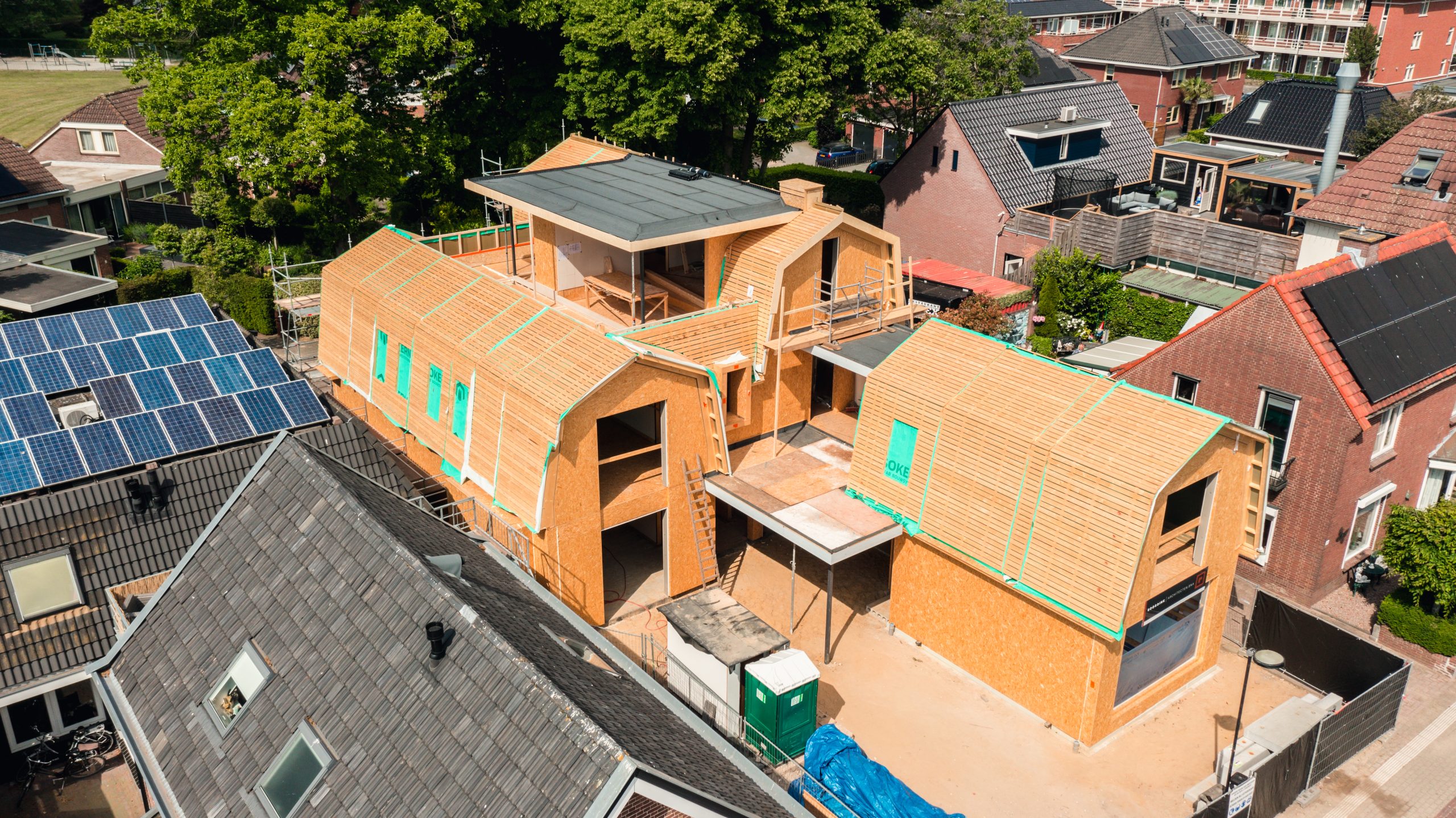
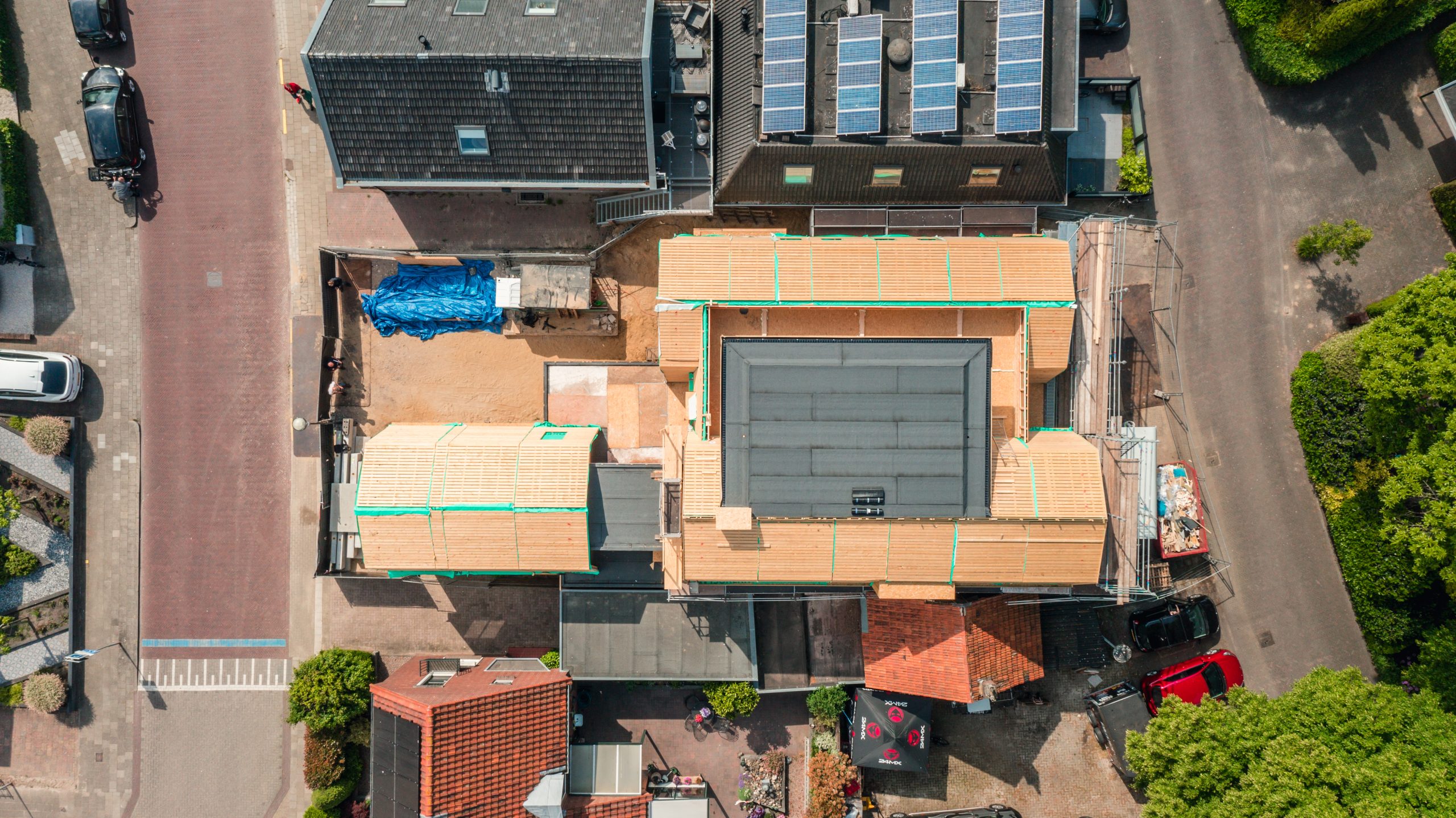
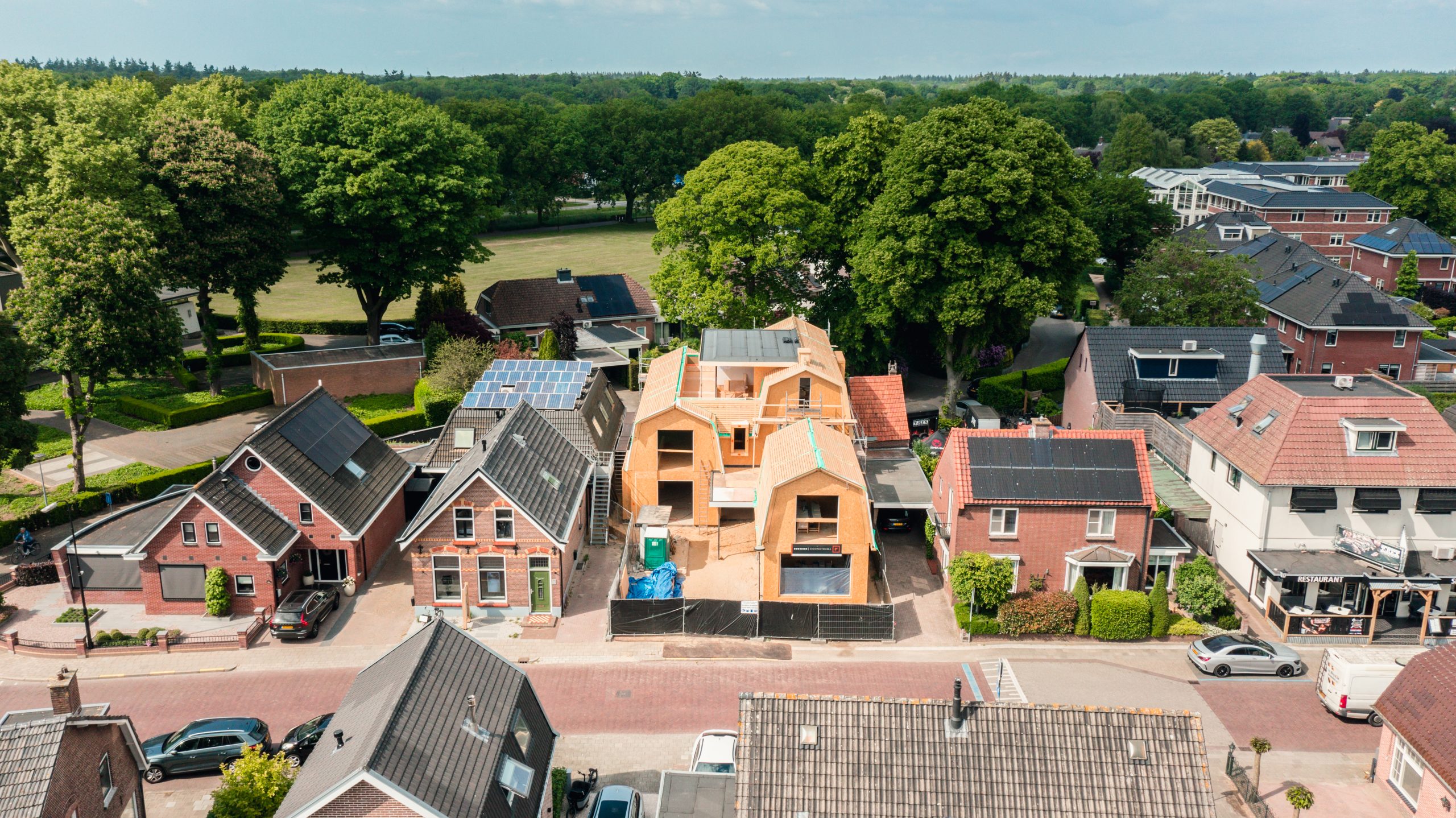
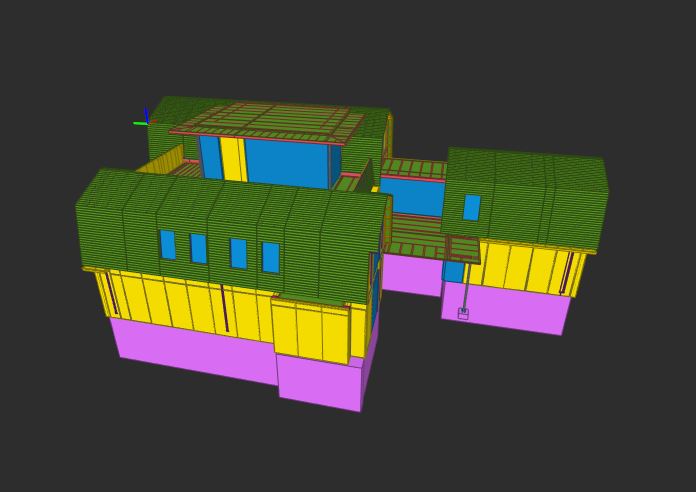
Voor dit prachtige woningproject mochten wij bij Isokern Prefab Bouwsystemen alle prefab onderdelen produceren. Dankzij de uitdagende locatie in het centrum van Putten konden we met onze prefab elementen extra efficiënt werken, waardoor de omgeving tijdens de bouwperiode minimale overlast heeft ervaren.
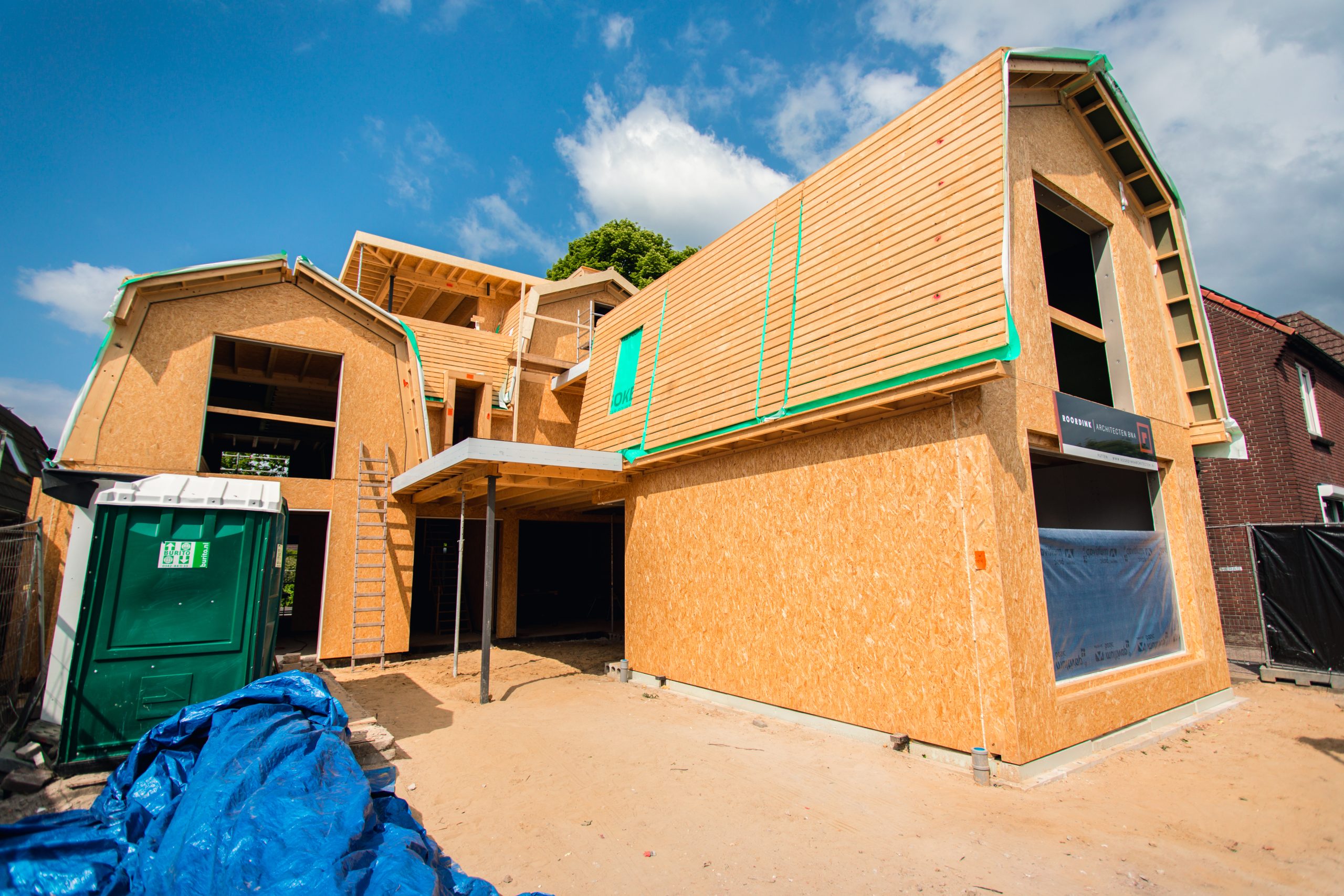
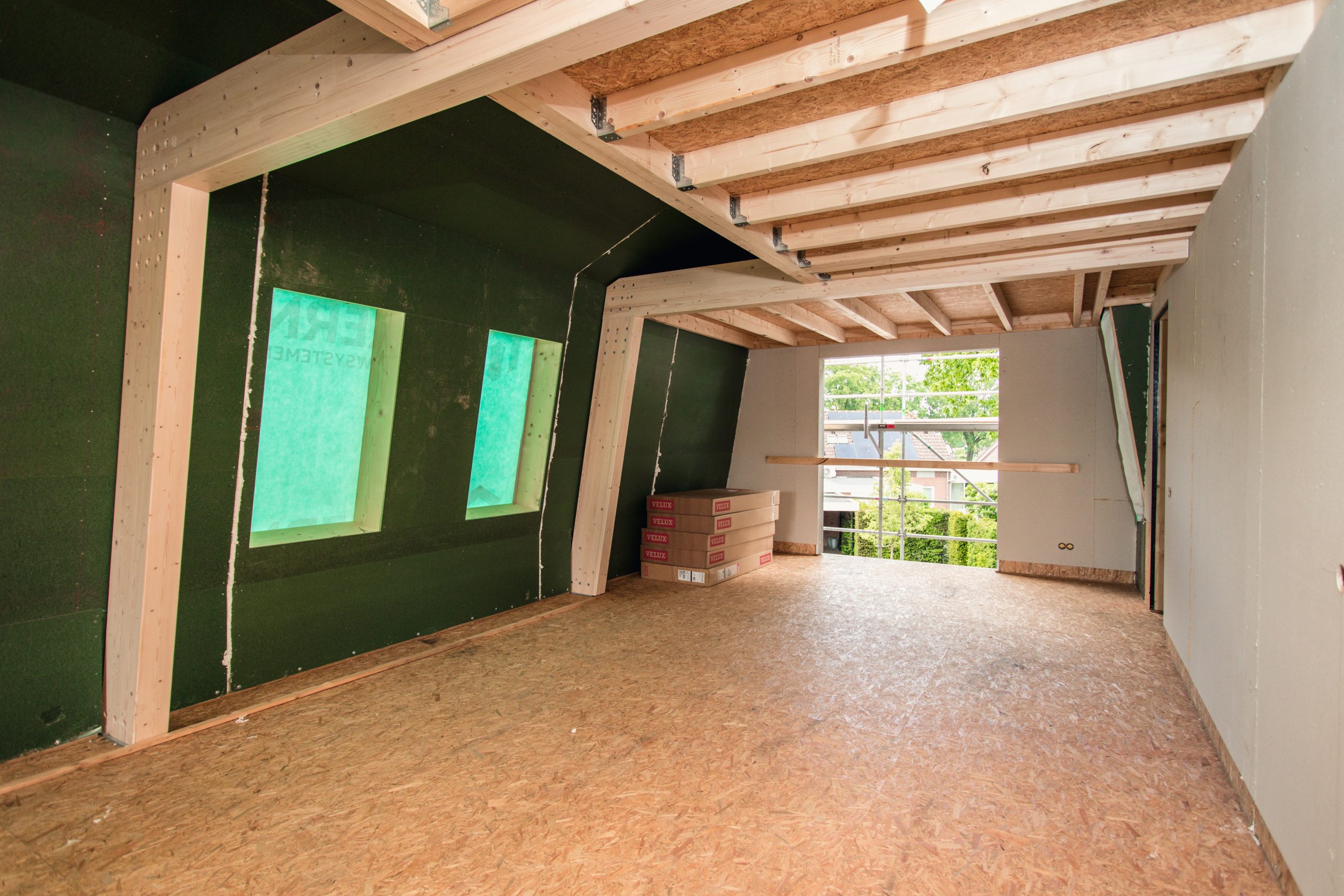
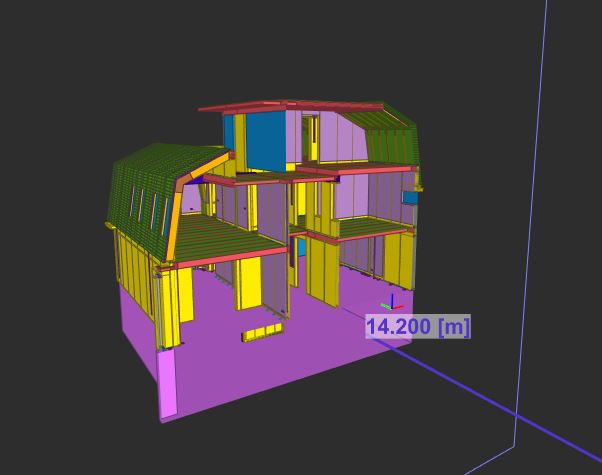
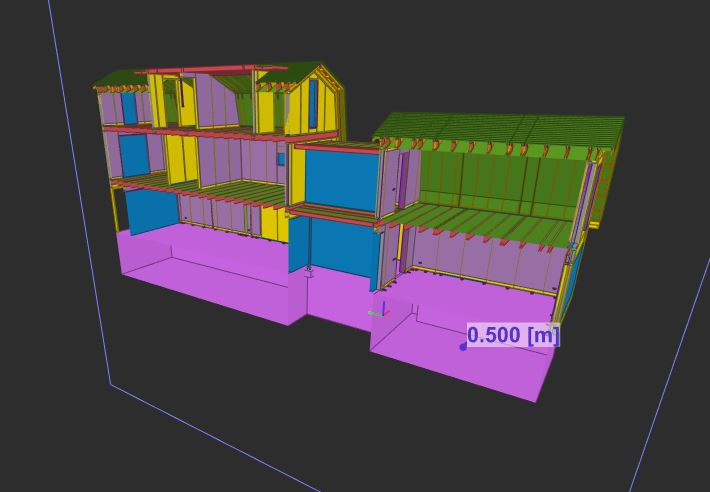
Het goed doordachte ontwerp van de architect is duidelijk terug te zien in de strakke lijnen die deze woning kenmerken. Voor dit project is een combinatie van vier verschillende bouwsystemen toegepast, waardoor perfecte aansluitingen ontstonden. De gelamineerde spanten op de eerste verdieping zijn bewust in het zicht gebleven, de gevels zijn opgebouwd uit SIP’s-panelen, terwijl de overige prefab onderdelen in houtskeletbouw (HSB) zijn uitgevoerd. Het stalen kolomwerk is tevens door ons geïntegreerd.
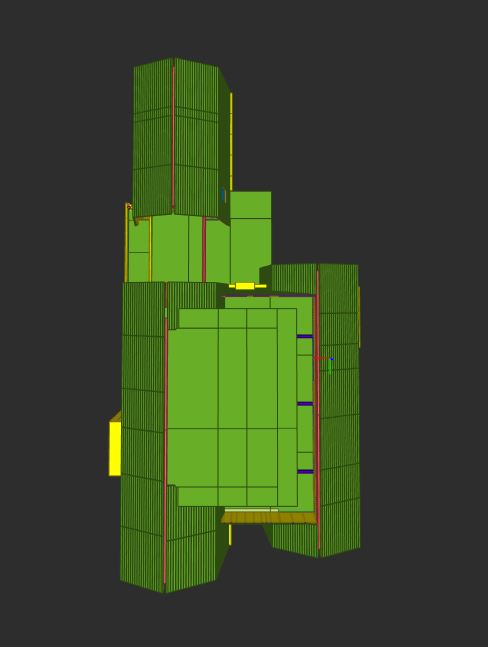
Dankzij het gebruik van momentvaste verbindingen in de kapelementen konden de gebroken kappen van muurplaat tot nok in één geheel worden gemonteerd. Het vooraf zorgvuldig uitwerken van de aansluitdetails leverde tijdens de montage aanzienlijke voordelen op in snelheid en efficiëntie.
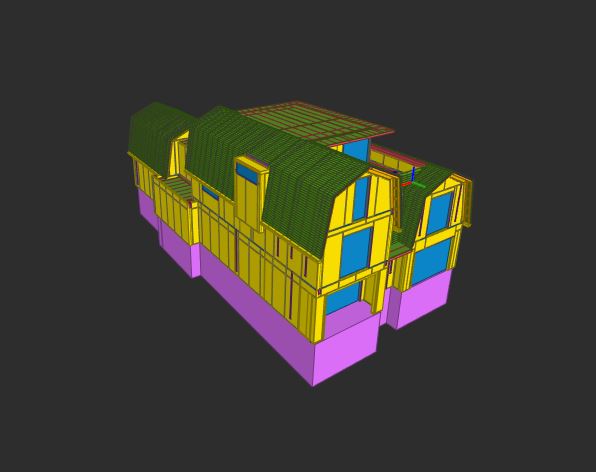
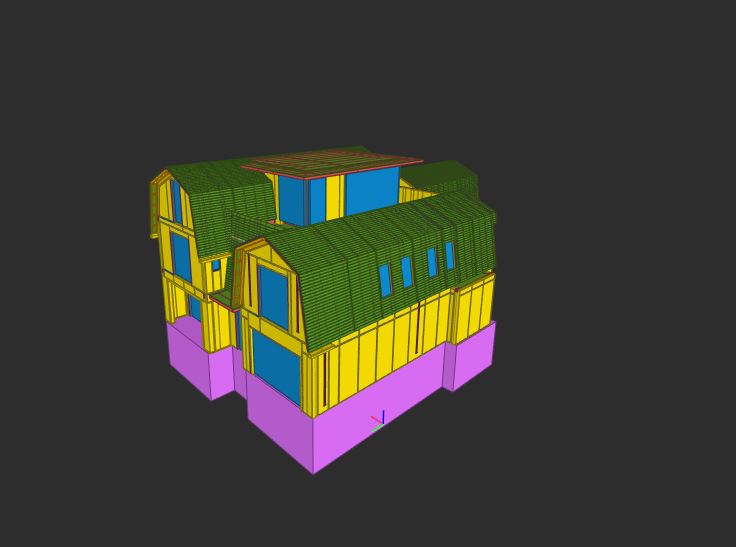
Hoewel BIM in dit project beperkt werd ingezet – de architect fungeerde tevens als opdrachtgever en werkt nog veel op papier – hebben wij alle details vertaald naar 3D. Door intern de verschillende bouwsystemen volledig uit te tekenen, konden we de aansluitingen naadloos op elkaar laten aansluiten, zonder ongewenste details.
Wij werken al jarenlang met Tekla, waarbij we steeds meer tools binnen het programma benutten, maar de focus blijft op interne uitwerking. In dit project hebben we het tekenwerk zo ver uitgewerkt dat het direct in productie kon worden verwerkt. Dit levert als prefableverancier grote voordelen op tijdens zowel productie als montage.
Door te kiezen voor prefab-elementen krijgt dit project bovendien een duurzaam karakter. Het combineren van SIP’s, HSB, gelamineerde spanten en staalwerk in de beperkte ruimte op de bouwplaats zorgde voor een efficiënte en duurzame uitvoering.
For this stunning residential project, we at Isokern Prefab Bouwsystemen were entrusted with producing all the prefabricated components. Thanks to the challenging location in the center of Putten, we were able to work with our prefabricated elements in a highly efficient manner, ensuring that the surrounding area experienced minimal disruption during the construction period.
The architect’s well-thought-out design is clearly reflected in the clean lines that characterize this home. A combination of four different building systems was used for this project, resulting in perfect connections. The laminated trusses on the first floor were intentionally left exposed; the facades are constructed from SIP panels, while the remaining prefabricated components were built using timber-frame construction (HSB). We also integrated the steel column system.
Thanks to the use of moment-resisting connections in the roof elements, the broken roofs – from the wall plate to the ridge – could be assembled as a single unit. Carefully working out the connection details in advance yielded significant advantages in speed and efficiency during assembly.
Although BIM was used to a limited extent in this project – the architect also served as the client and still works extensively on paper – we translated all details into 3D. By fully drafting the various building systems in-house, we were able to ensure the connections fit together seamlessly, without any unwanted details.
We have been working with Tekla for many years, utilizing an increasing number of tools within the program, but our focus remains on in-house design. For this project, we developed the drawings to such a detailed level that they could be directly incorporated into production. As a prefabrication supplier, this offers significant advantages during both production and assembly.
By opting for prefabricated elements, this project also gains a sustainable character. Combining SIPs, HSB, laminated trusses, and steelwork within the limited space on the construction site ensured an efficient and sustainable execution.
Laat jouw reactie achter


Construsoft is een geautoriseerde Tekla Structures-leverancier en biedt trainingen, technische ondersteuning en andere diensten aan klanten.
Voor meer informatie, bezoek onze website:
www.construsoft.nlTekla is a Trimble Company © Copyright 2026 Tekla