BUDYNEK PRODUKCYJNO-MAGAZYNOWY
| Categoria | Projectos Comerciais |
|---|---|
| Ano | 2026 |
| País | Poland |
| Organização | SPK Projekt |
| Autor | Michał Wilk |
| Co-autores | Michał Piekarski, Adam Bielski |
| Cliente | NATURE'S PRODUCE Sp. z o.o. |
| Local de construção | Ostrowiec |
| Tags | PrefabConcreteTrimble ConnectSteel |
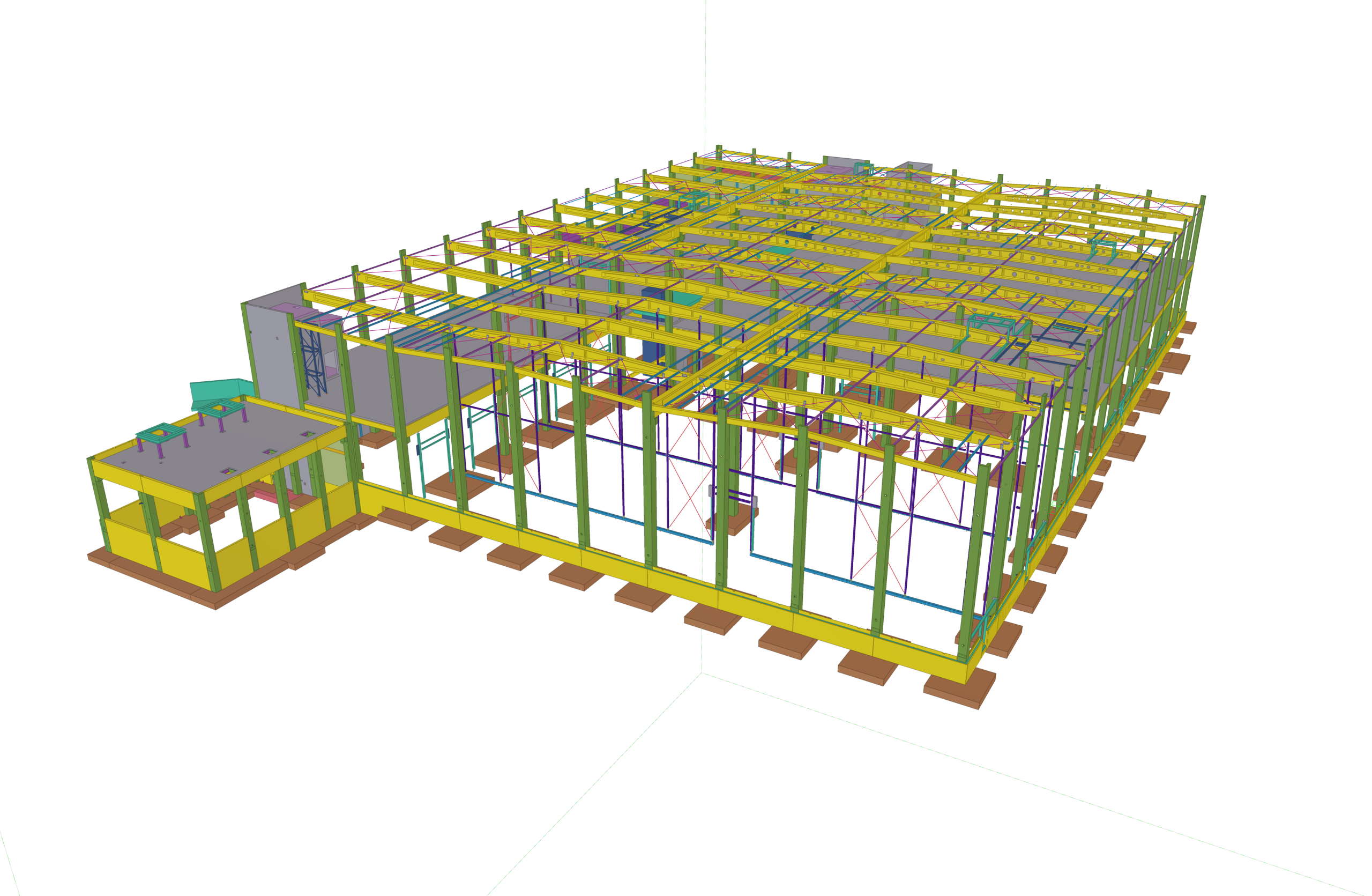
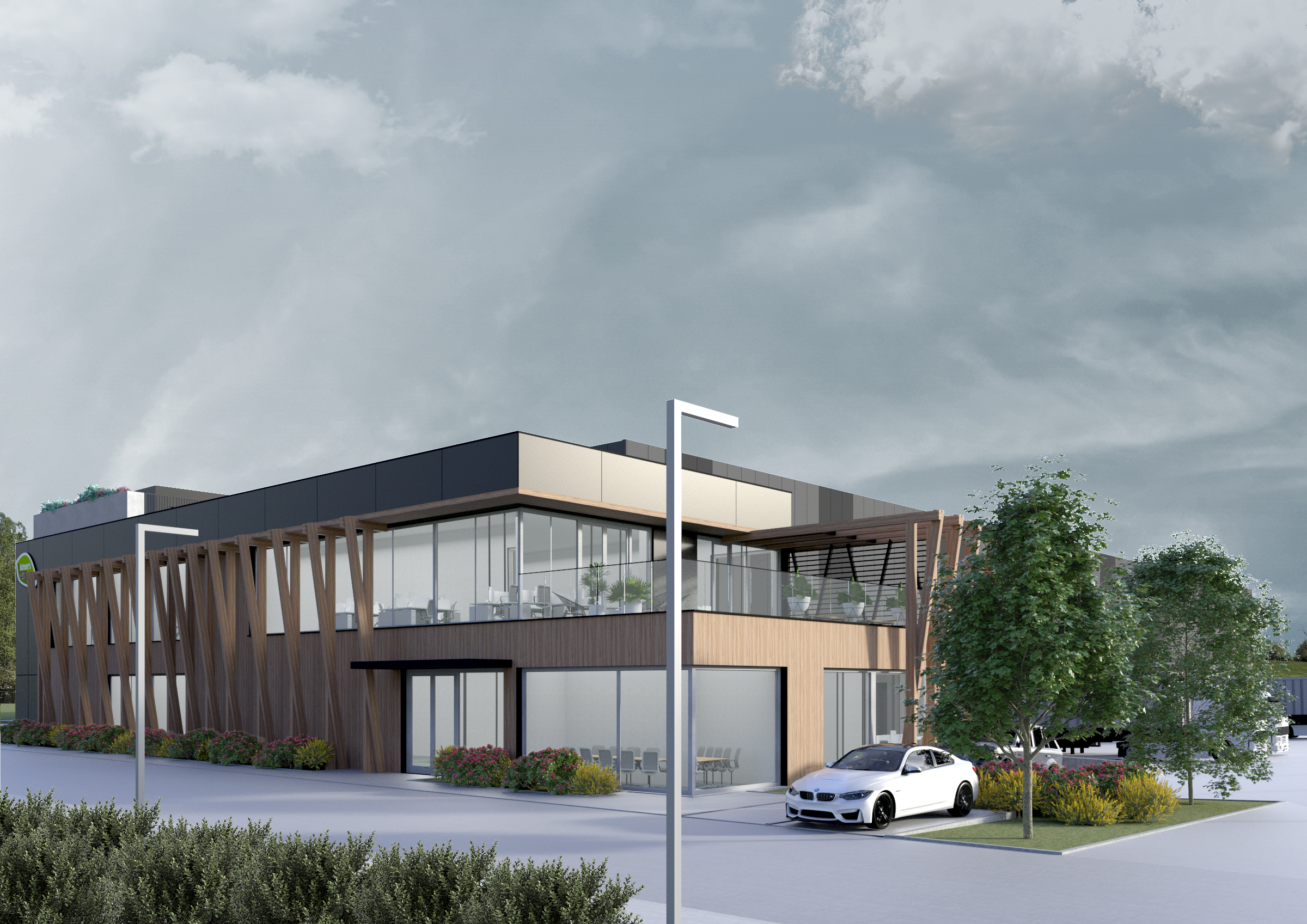
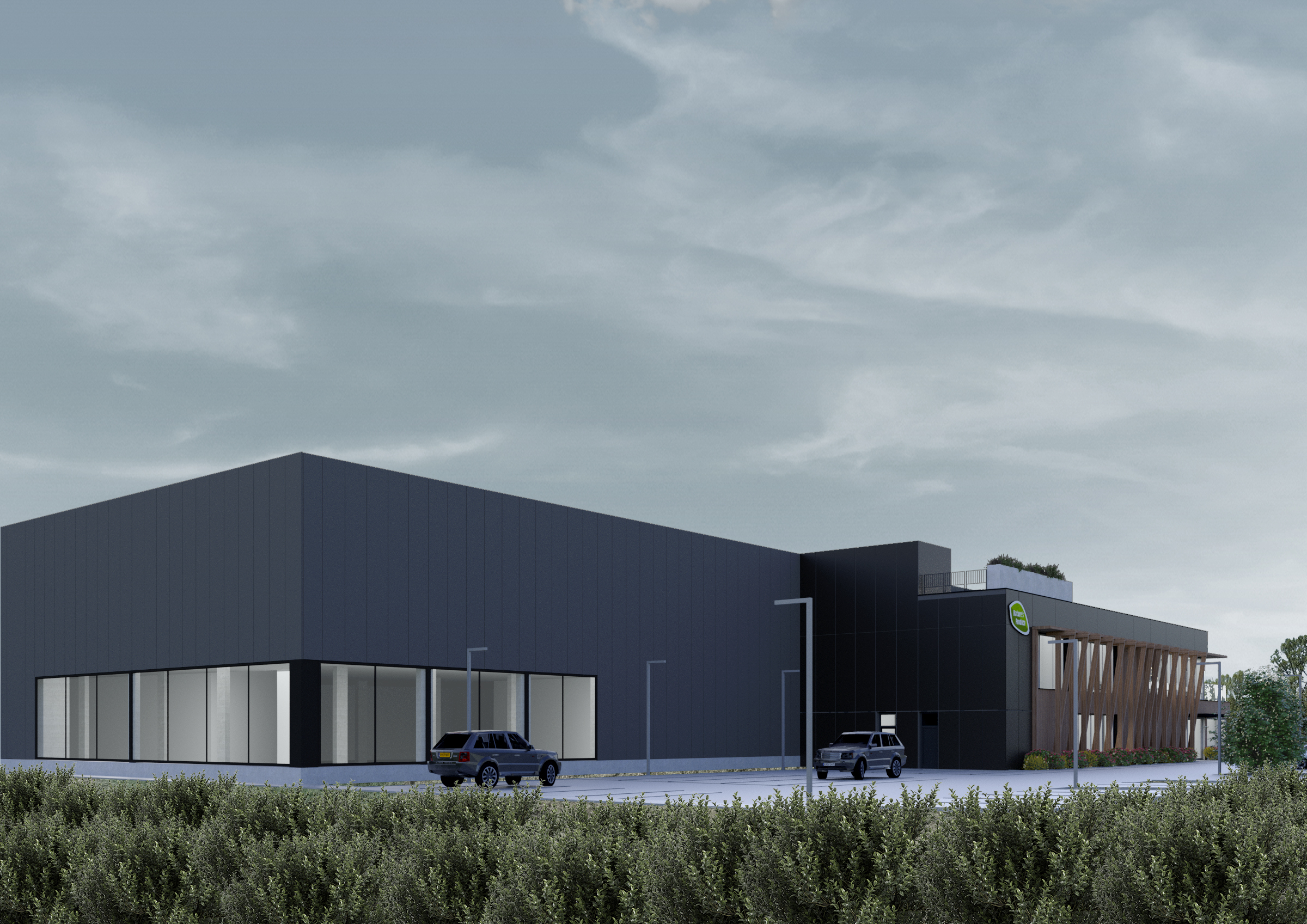
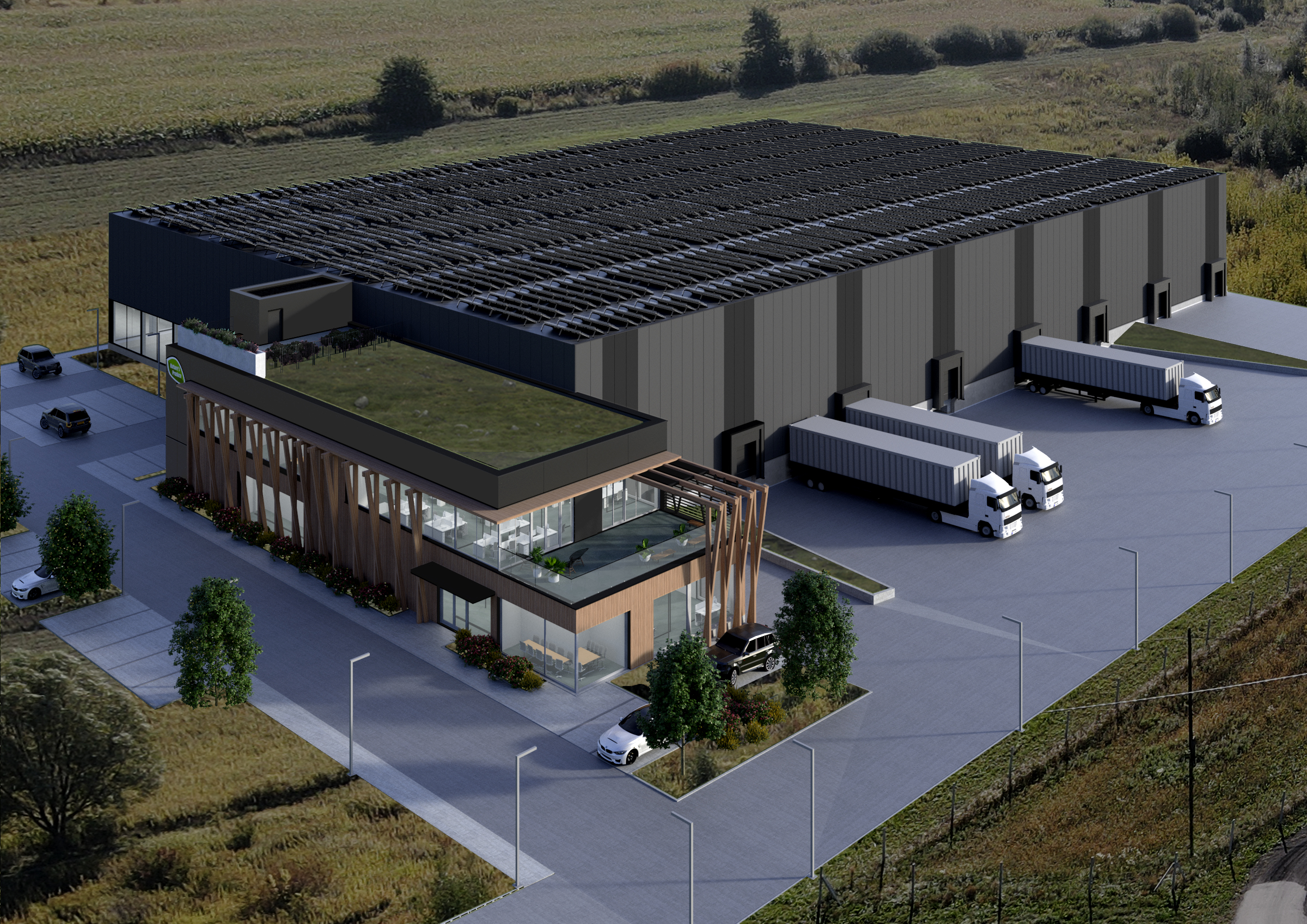
Prezentowany obiekt to kompleks produkcyjno-magazynowy z częścią biurową, zlokalizowany w Ostrowcu, zaprojektowany jako nowoczesny obiekt łączący funkcje przemysłowe, logistyczne i administracyjne.
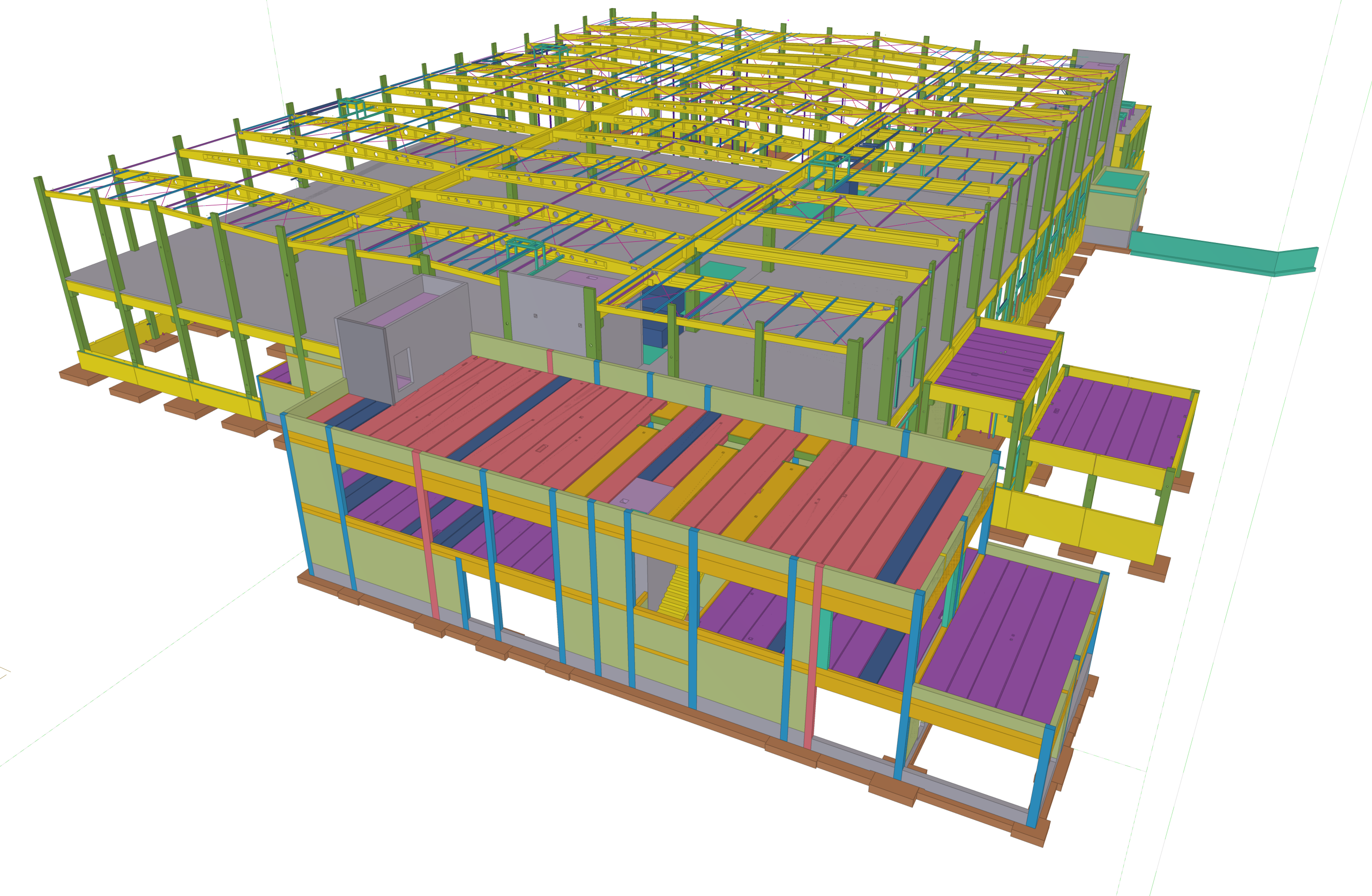
Główny budynek produkcyjno-magazynowy jest dwukondygnacyjnym, niepodpiwniczonym obiektem o rzucie prostokąta i wymiarach około 59,95 × 78,44 m, przekrytym wielospadowym dachem. Od strony północnej przylega do niego dwukondygnacyjny budynek biurowy o wymiarach 40,25 × 12,50 m, konstrukcyjnie oddylatowany od części produkcyjnej. Uzupełnieniem założenia są niezależne konstrukcyjnie obiekty towarzyszące: jednokondygnacyjna kotłownia od strony południowej (5,75 × 14,40 m) oraz budynek gospodarki odpadami od strony zachodniej (6,15 × 11,45 m).
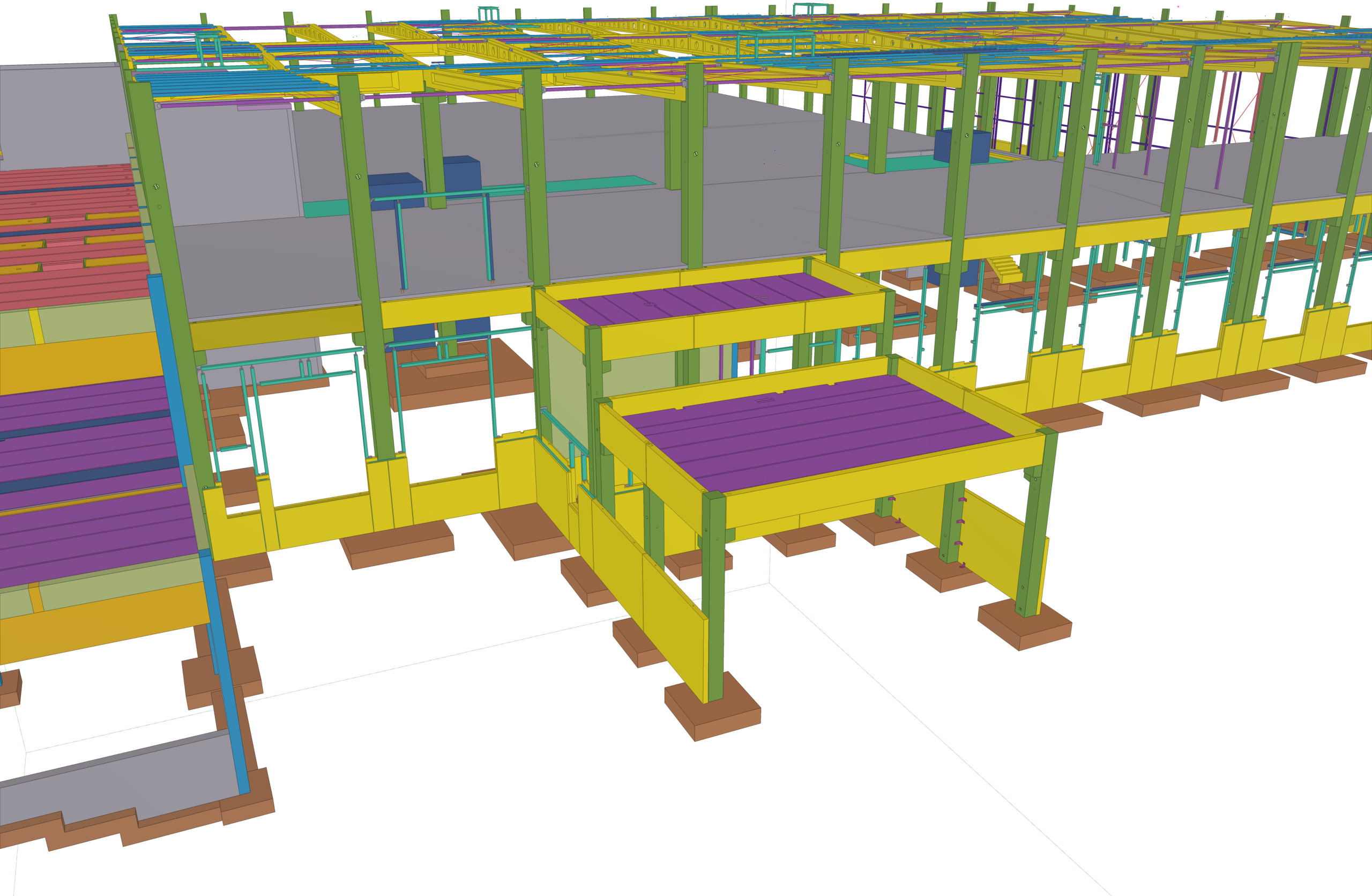
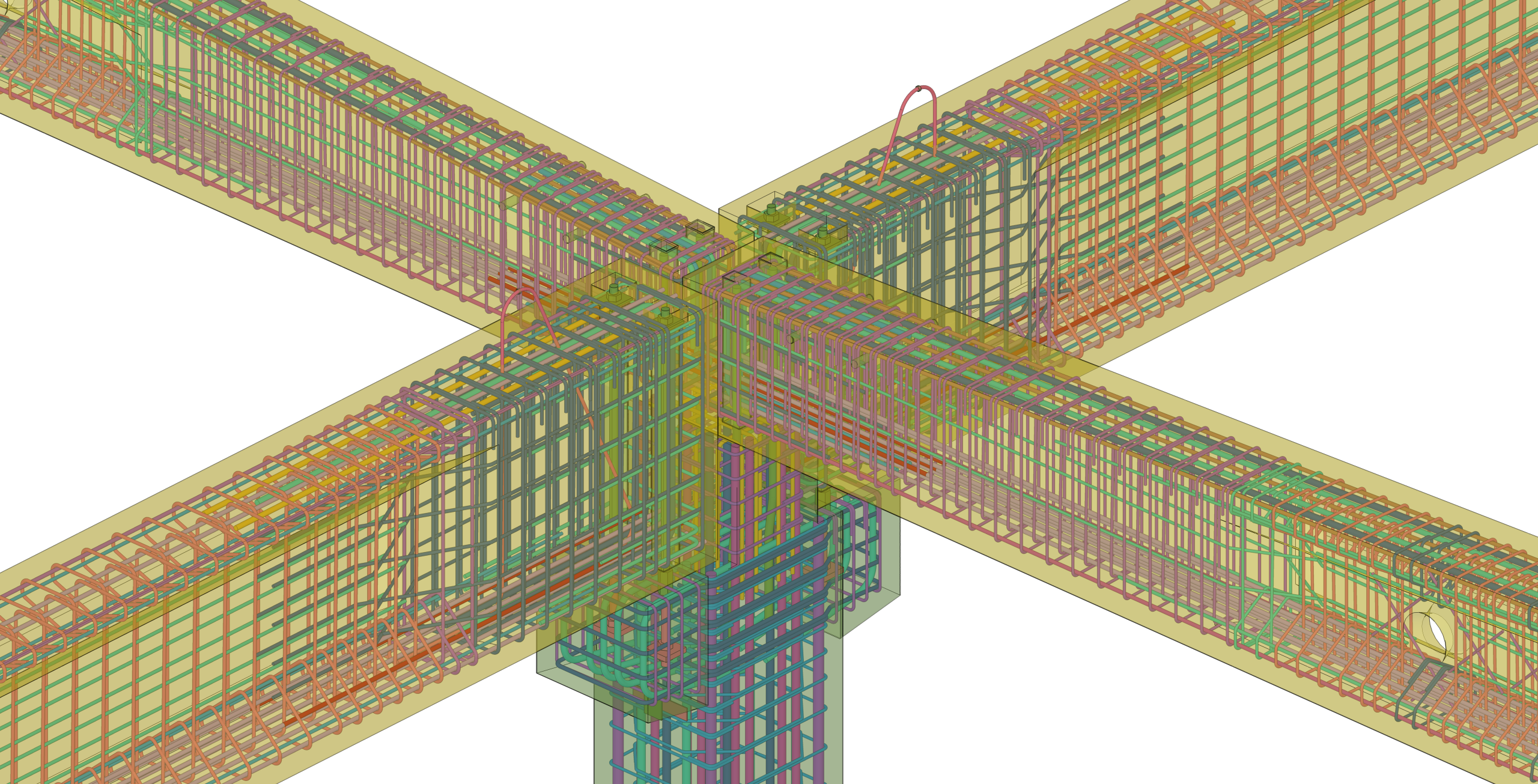
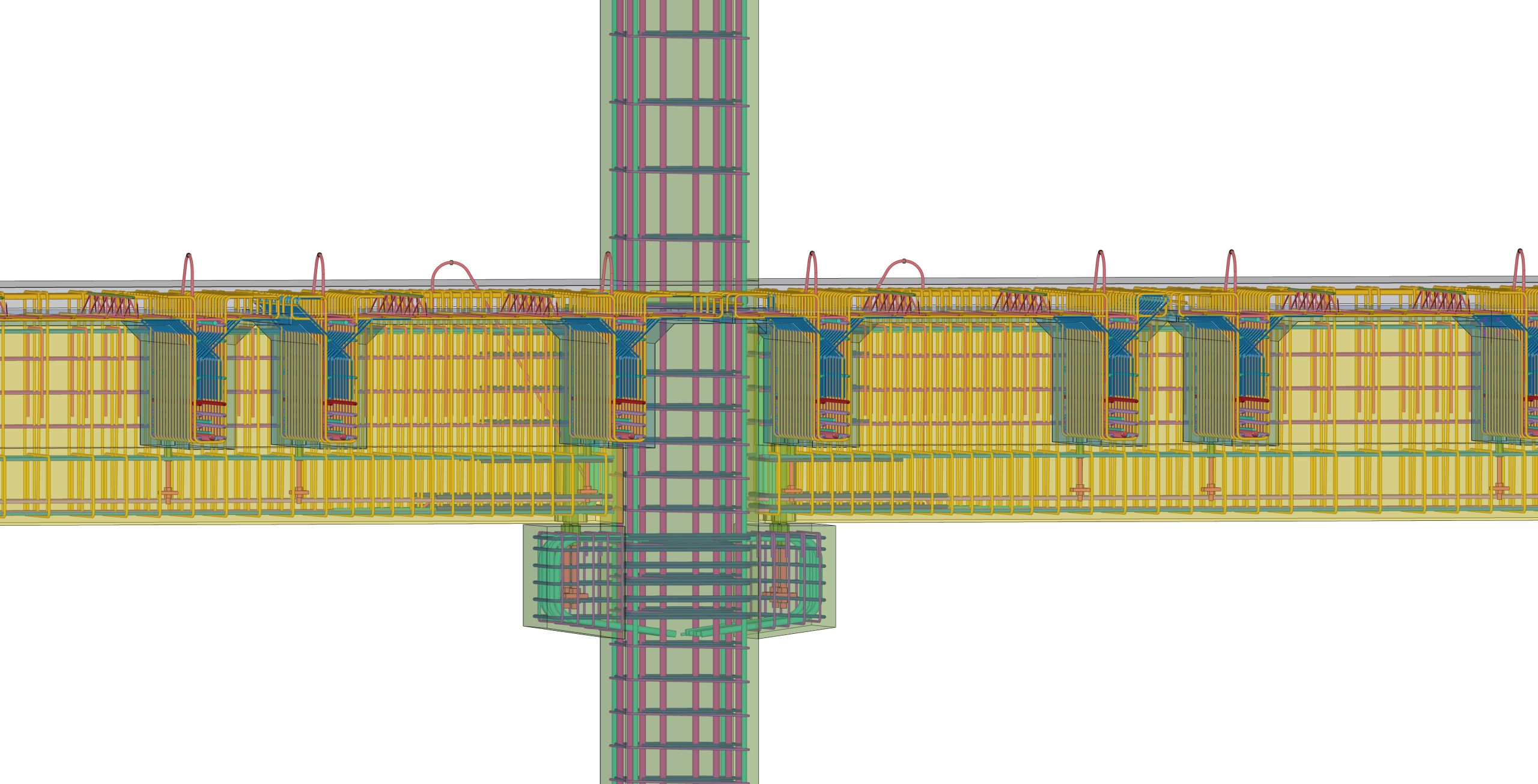
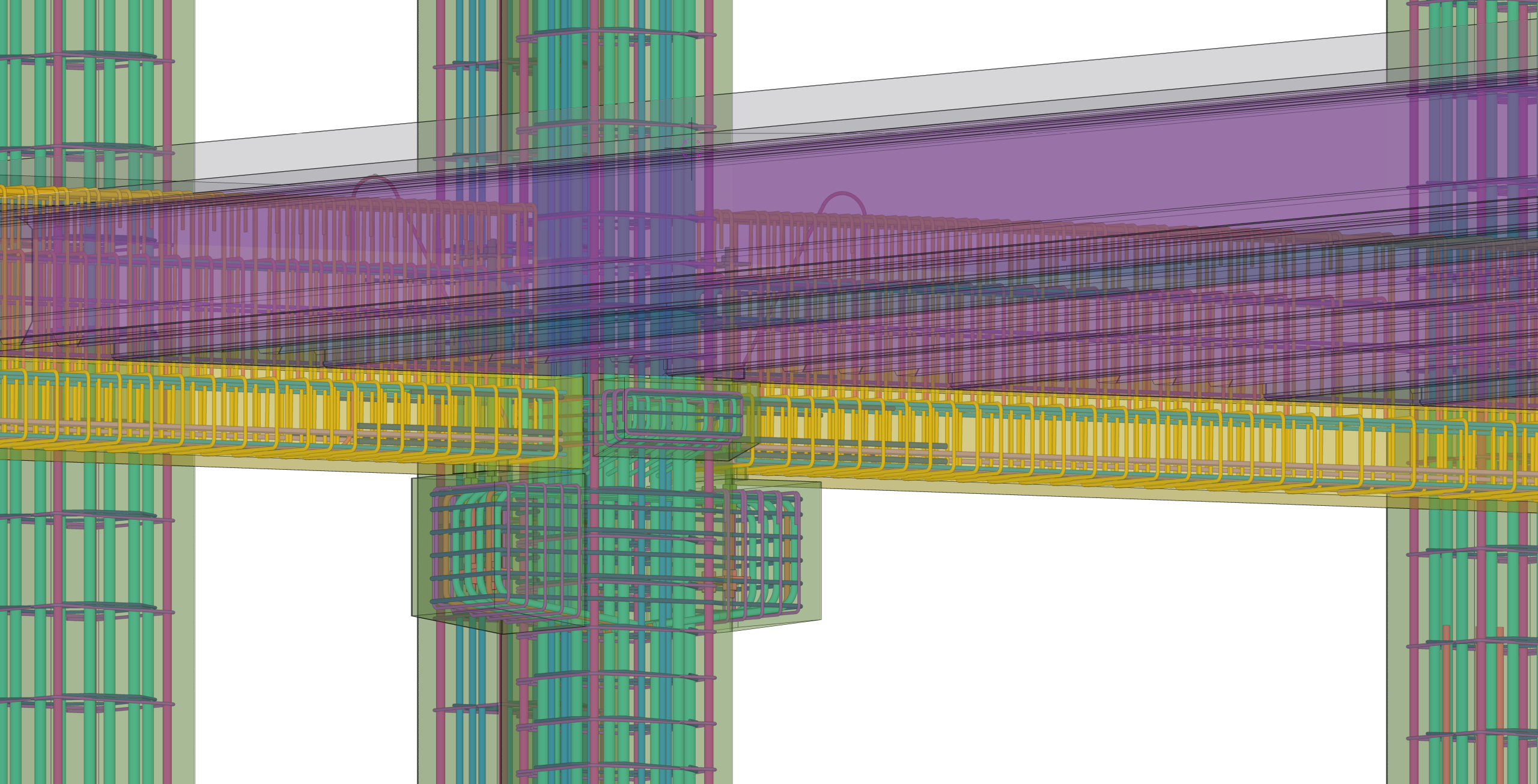
Główny układ nośny hali produkcyjno-magazynowej stanowi prefabrykowana konstrukcja żelbetowa oparta na układach ramowych, tworzonych przez prefabrykowane słupy zakotwione w stopach fundamentowych, belki i dźwigary dachowe oraz prefabrykowane belki stropowe. Konstrukcję stropów zaprojektowano z wykorzystaniem sprężonych płyt kanałowych HC500 oraz płyt TT600, zapewniających efektywność konstrukcyjną i wysoką funkcjonalność obiektu.
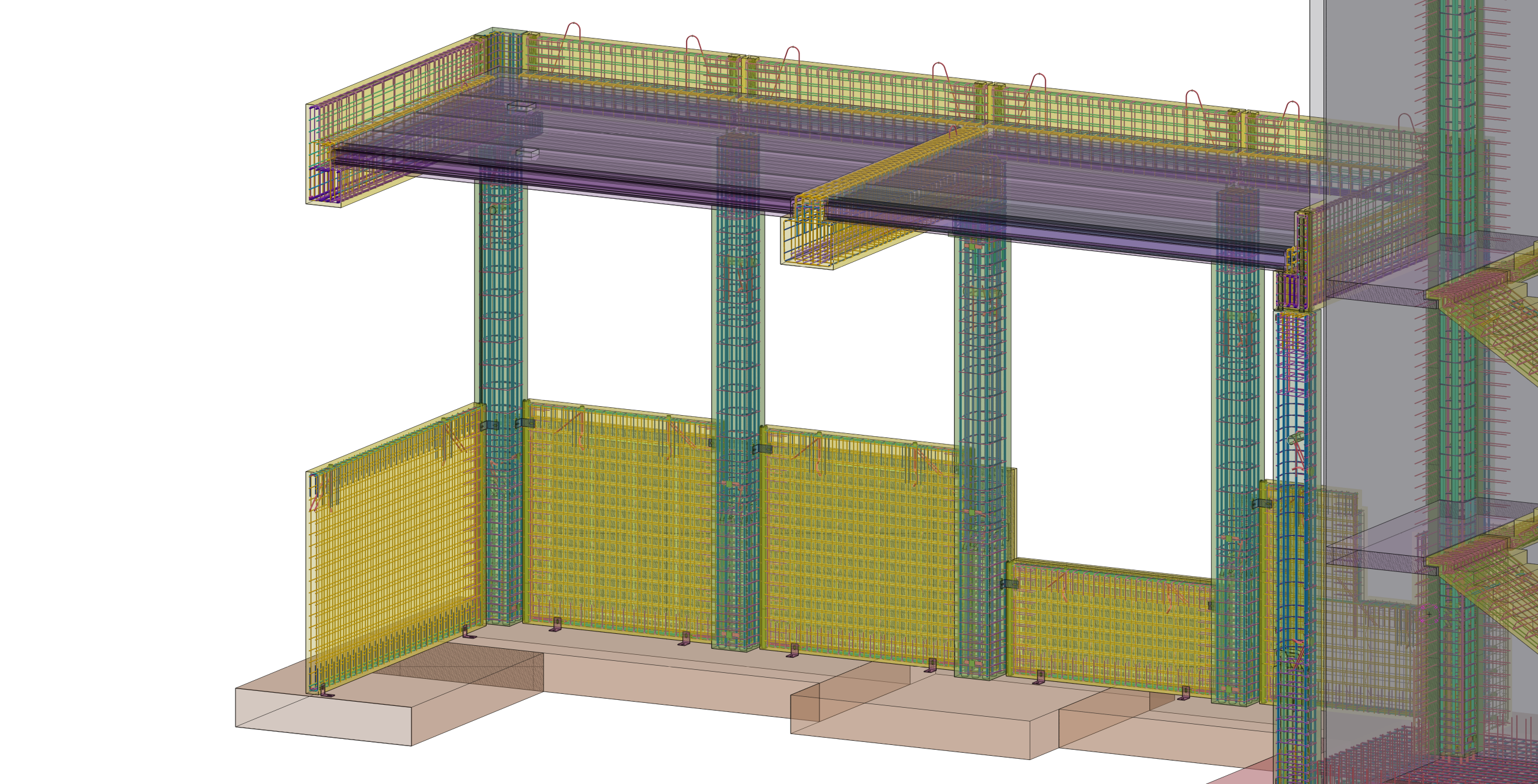
Część biurowo-socjalną zaprojektowano jako konstrukcję łączącą rozwiązania monolityczne i prefabrykowane, obejmującą ściany murowane wzmacniane rdzeniami i belkami żelbetowymi, monolityczne żelbetowe ściany trzonu komunikacyjnego oraz stropy z prefabrykowanych płyt kanałowych HC320 i HC400, opartych na prefabrykowanych belkach stropowych.
Obiekt posadowiono bezpośrednio na żelbetowych monolitycznych stopach i ławach fundamentowych. Przekrycie hali stanowi dach oparty na blasze trapezowej z warstwami izolacyjnymi i membraną dachową, zaprojektowany z uwzględnieniem wymagań eksploatacyjnych i obciążeń technologicznych.
Istotnym elementem projektu jest system dylatacji wynikający z różnorodnych funkcji i obciążeń poszczególnych części obiektu. Niezależne konstrukcyjnie rozwiązano część biurową, kotłownię i budynek gospodarki odpadami, a dodatkowo w budynku produkcyjno-magazynowym zaprojektowano dylatację konstrukcyjną wzdłuż osi K poprzez zdwojenie elementów nośnych.
Projekt stanowi przykład efektywnego wykorzystania prefabrykacji, integracji różnych systemów konstrukcyjnych oraz optymalizacji rozwiązań dla złożonego obiektu przemysłowego
The presented project is an industrial and warehouse complex with integrated office space, located in Ostrowiec, designed as a modern facility combining industrial, logistics and administrative functions.
The main production and warehouse building is a two-storey, non-basement structure with a rectangular footprint of approximately 59.95 × 78.44 m, covered by a multi-pitched roof. On the northern side, it is connected to a two-storey office building measuring 40.25 × 12.50 m, structurally separated from the production hall by an expansion joint. The development is complemented by independent auxiliary structures, including a single-storey boiler house on the southern side (5.75 × 14.40 m) and a waste management building on the western side (6.15 × 11.45 m).
The primary load-bearing system of the production and warehouse hall consists of a prefabricated reinforced concrete frame structure, formed by precast columns anchored in pad foundations, roof beams and girders, as well as precast floor beams. The floor system was designed using prestressed hollow-core slabs HC500 and TT600 slabs, providing structural efficiency and high functional performance.
The office and social facilities were designed as a hybrid structure combining monolithic and prefabricated solutions, including masonry walls reinforced with concrete cores and beams, monolithic reinforced concrete stair and service cores, and floor systems made of HC320 and HC400 hollow-core slabs supported by precast floor beams.
The buildings are founded directly on reinforced concrete pad and strip foundations. The hall roof is formed with trapezoidal steel decking combined with insulation layers and a roofing membrane, designed to meet operational requirements and technological loading demands.
A key feature of the project is its expansion joint strategy, developed in response to the differing functions and loading conditions of the individual building zones. The office section, boiler house and waste management building were designed as structurally independent units. In addition, an internal expansion joint was introduced within the production and warehouse building along axis K through duplication of load-bearing structural elements.
The project demonstrates the efficient use of prefabrication, integration of multiple structural systems, and optimization of engineering solutions for a complex industrial facility.
Deixe o seu comentário


A Construsoft é revendedor autorizado de Tekla Structures e disponibiliza formação, suporte técnico e outros serviços aos seus clientes.
Para mais informações, visite nosso site:
construsoft.ptTekla is a Trimble Company © Copyright 2026 Tekla