Robin Wood – Woongebouw IJburg
| Kategória | Kereskedelmi projektek |
|---|---|
| Év | 2026 |
| Ország | Benelux |
| Szervezet | Vic Obdam Staalbouw B.V. |
| Projektpartnerek | Slokker Bouwgroep, ANA Architecten, Marc Koehler Architects, Seldenthuis Engineering |
| Szerző | Lucas van der Heide |
| Ügyfél | Slokker Bouwgroep |
| Az építmény helye | Ijburg |
| Tags | Tekla StructuresTrimble ConnectTimberSteel |
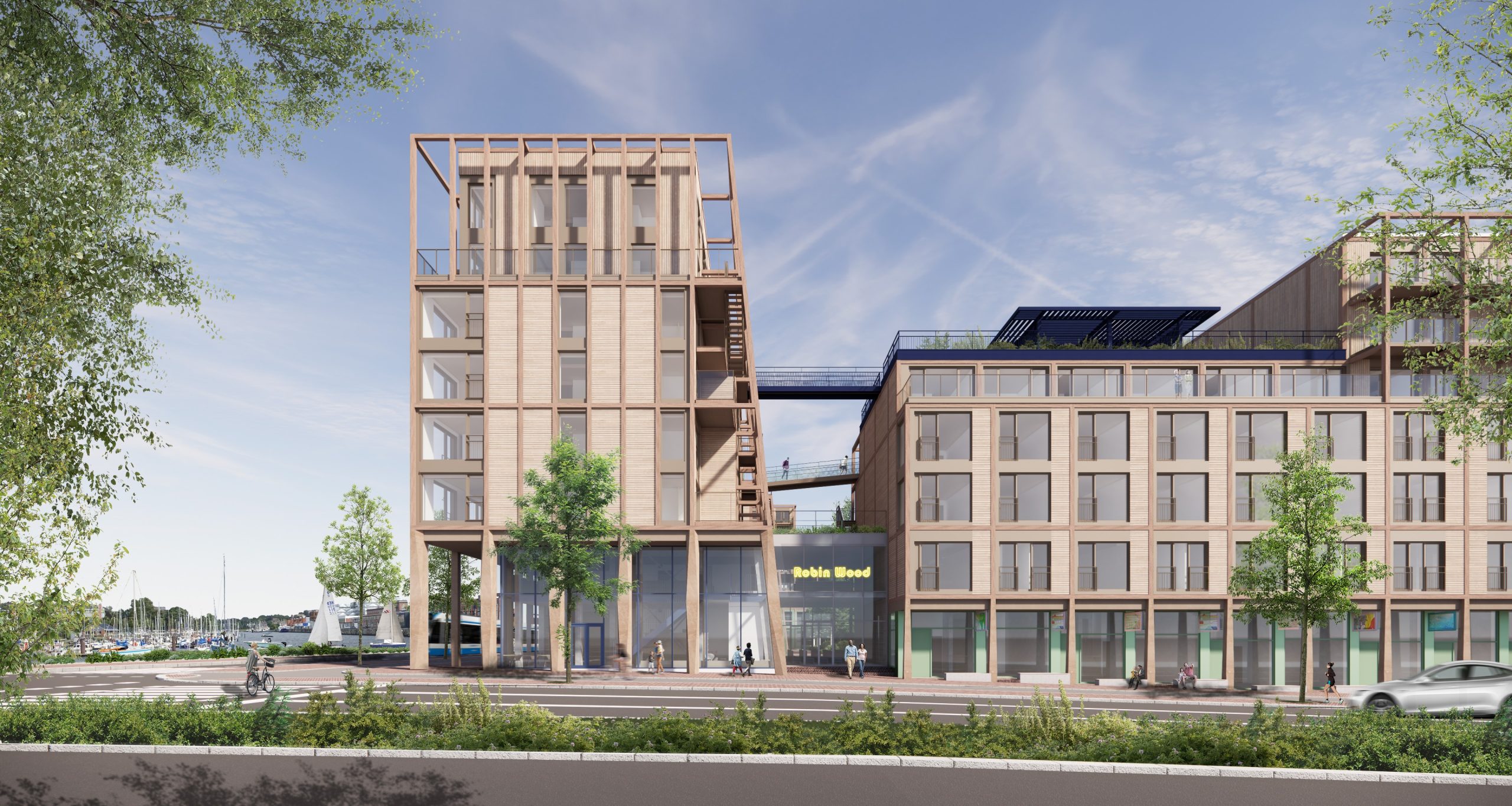
Project Robin Wood – woningen in samenwerking met Slokker Bouwgroep, ANA Architecten, Marc Koehler Architects en Vic Obdam Staalbouw B.V.
Wat maakt dit project bijzonder?
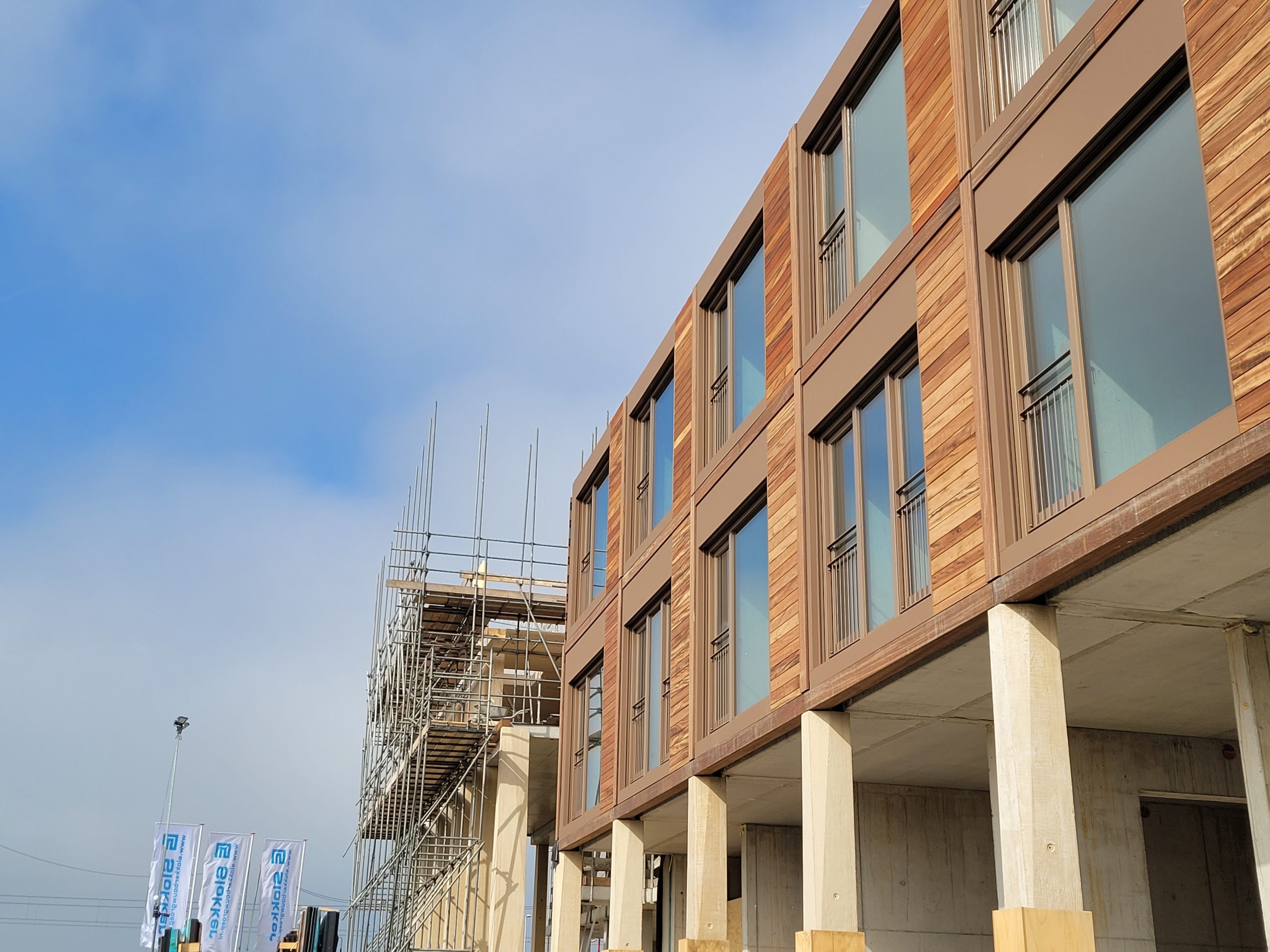
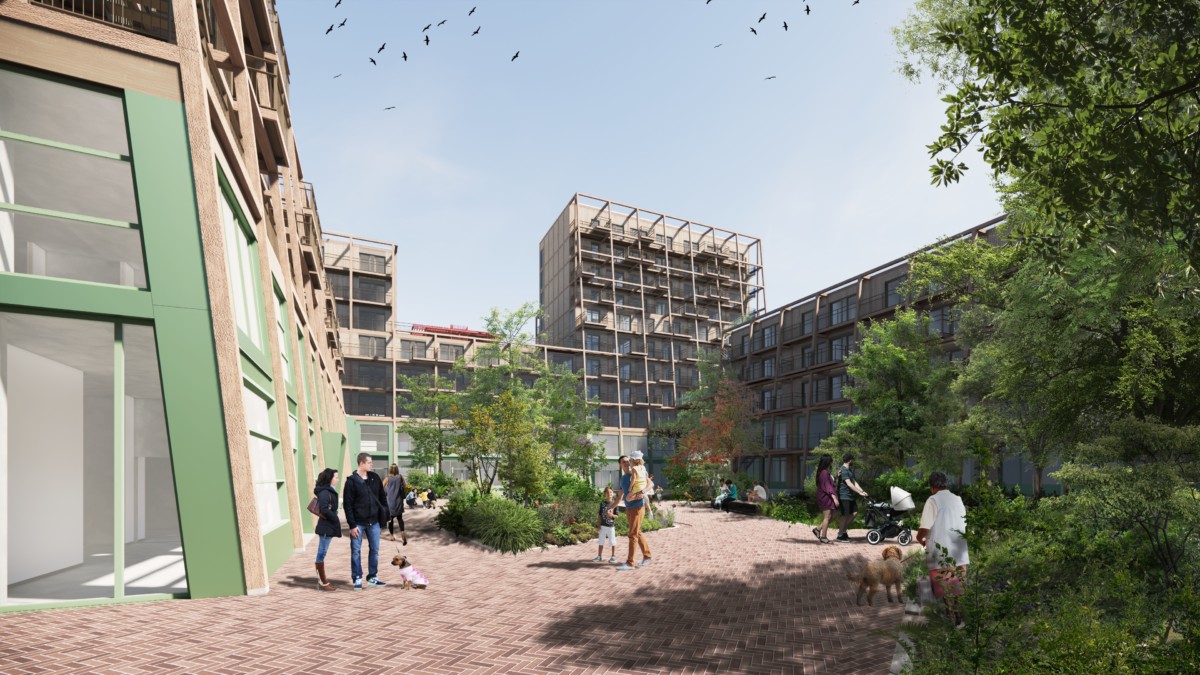
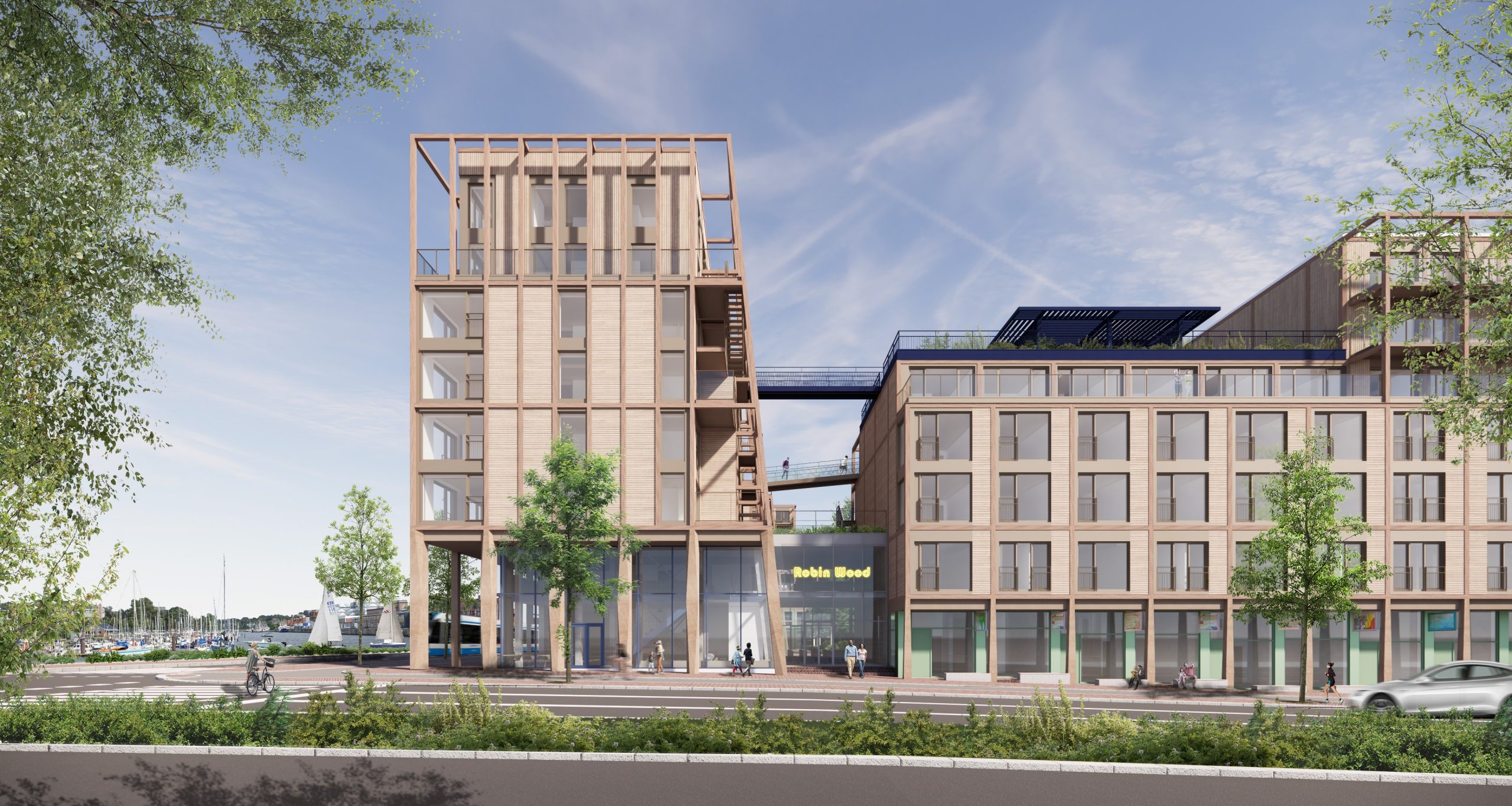
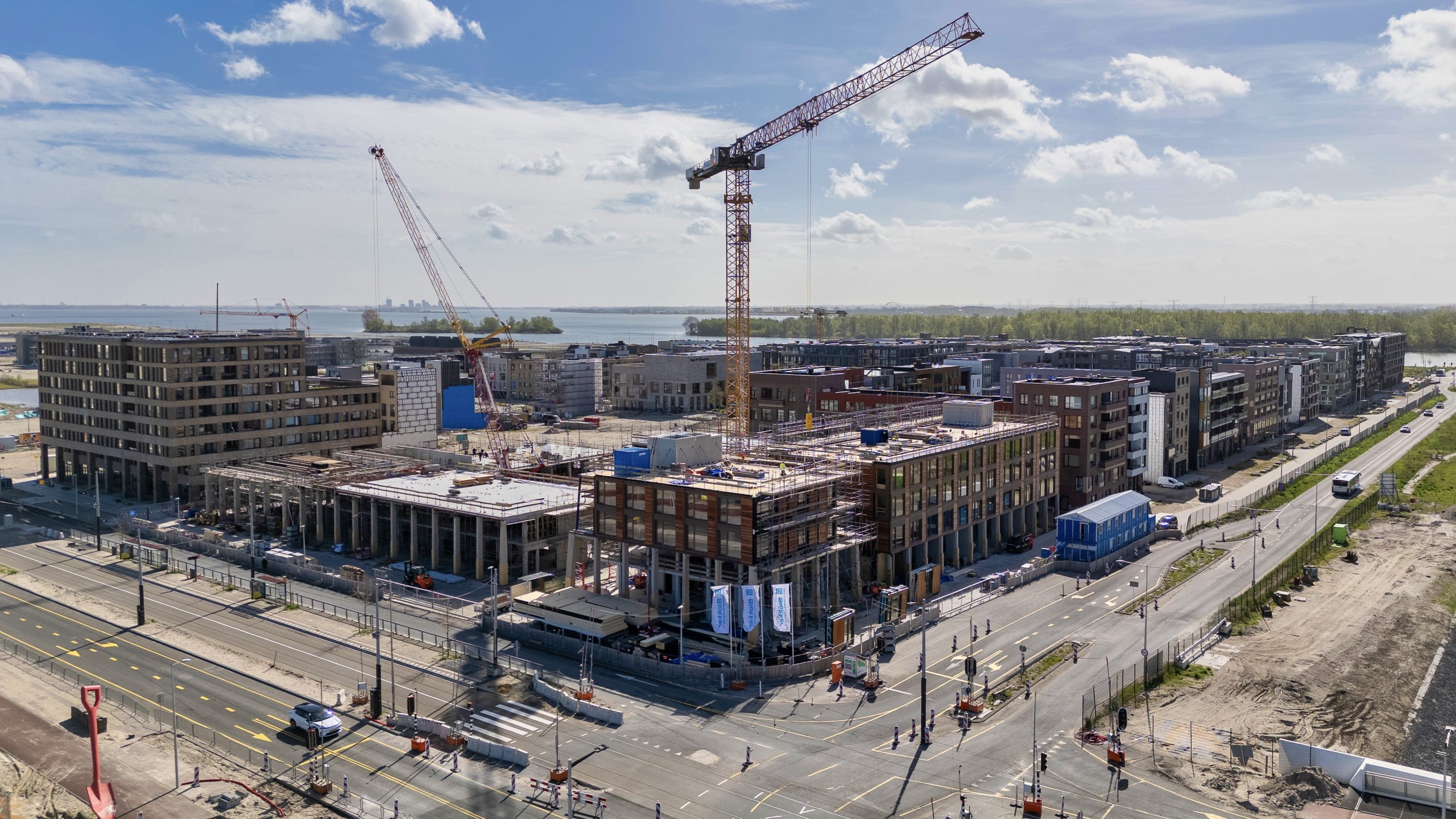
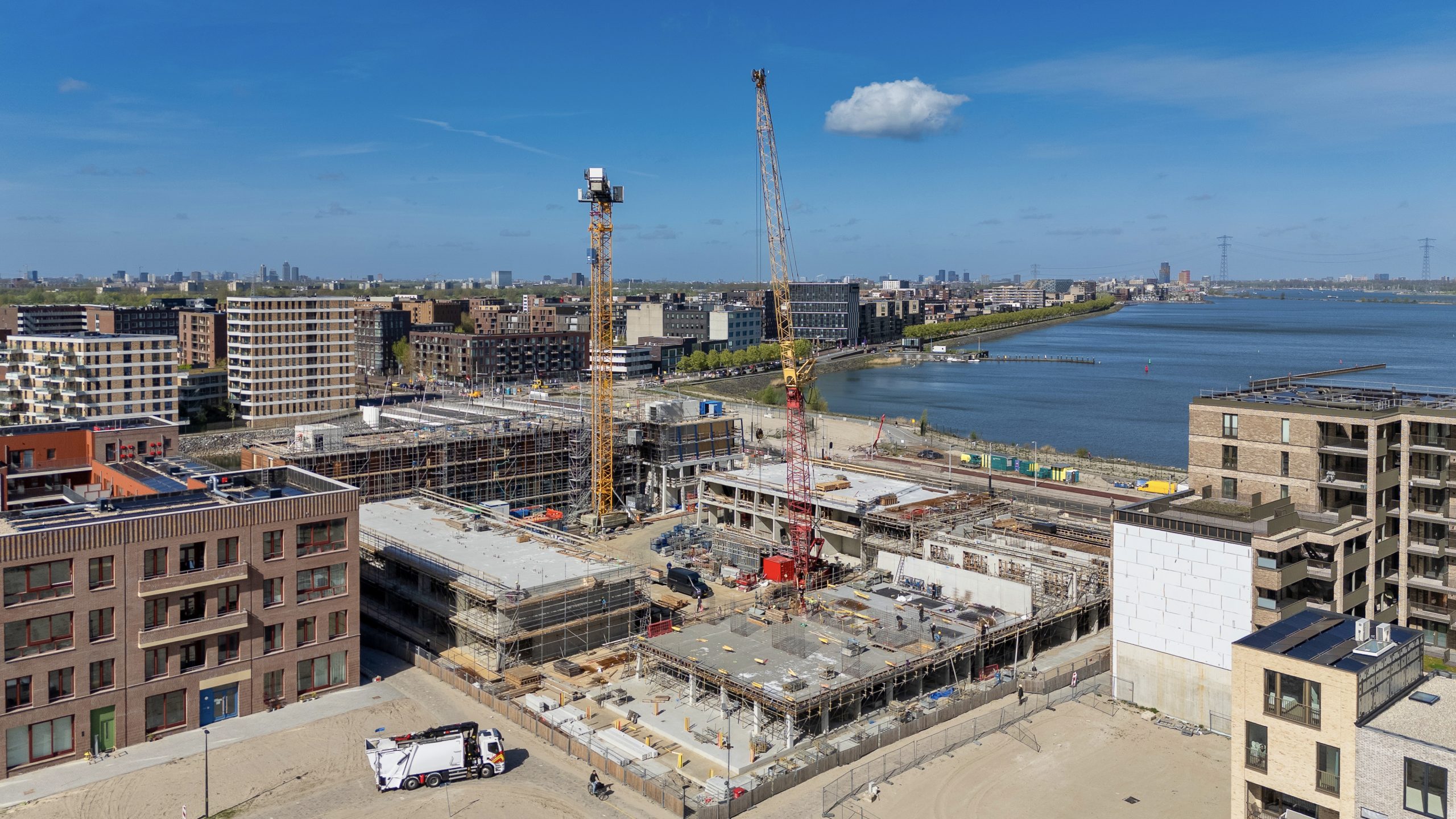
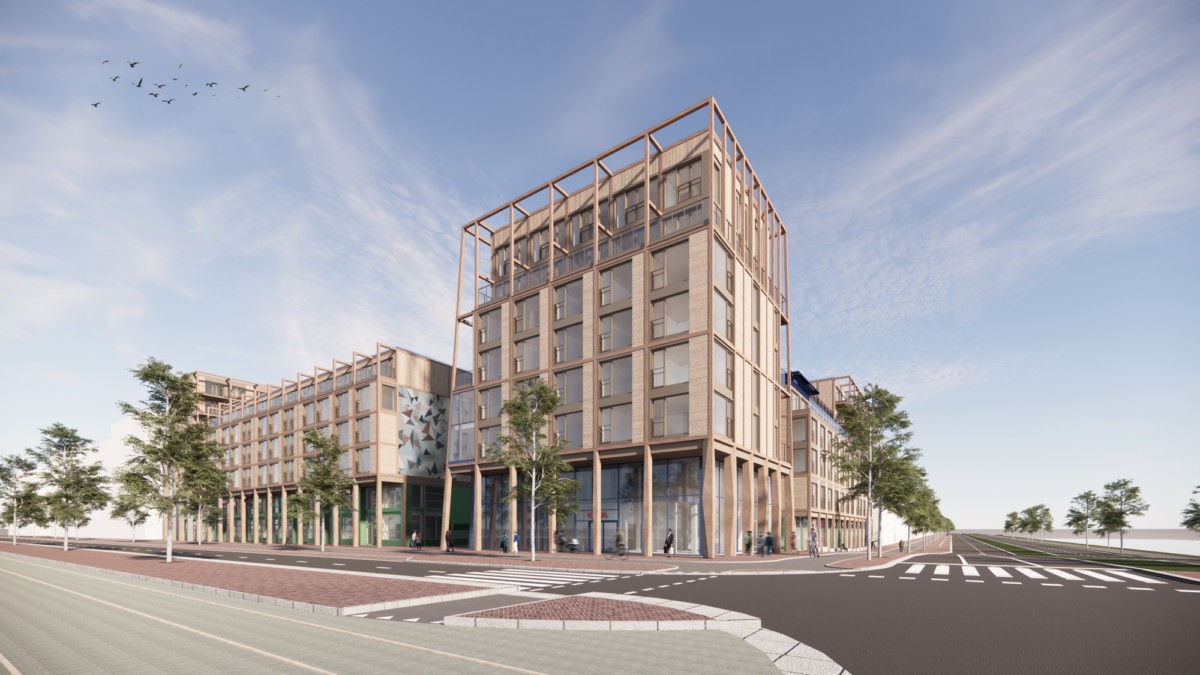
Robin Wood is een vooruitstrevend en iconisch woongebouw op Centrumeiland in Amsterdam, grotendeels opgebouwd uit hout en ontworpen volgens modulaire principes. Het project onderscheidt zich door de combinatie van grootschalige houtbouw, flexibiliteit in woningindelingen en een sterke focus op community building. Het gebouw fungeert als een verbindend element tussen stad en buurt en biedt ruimte aan wonen, werken en ontmoeten in één integraal concept. Dankzij het Open Bouwen-principe zijn de woningen aanpasbaar in de tijd, wat bijdraagt aan een toekomstbestendige ontwikkeling.
De hoofddraagconstructie
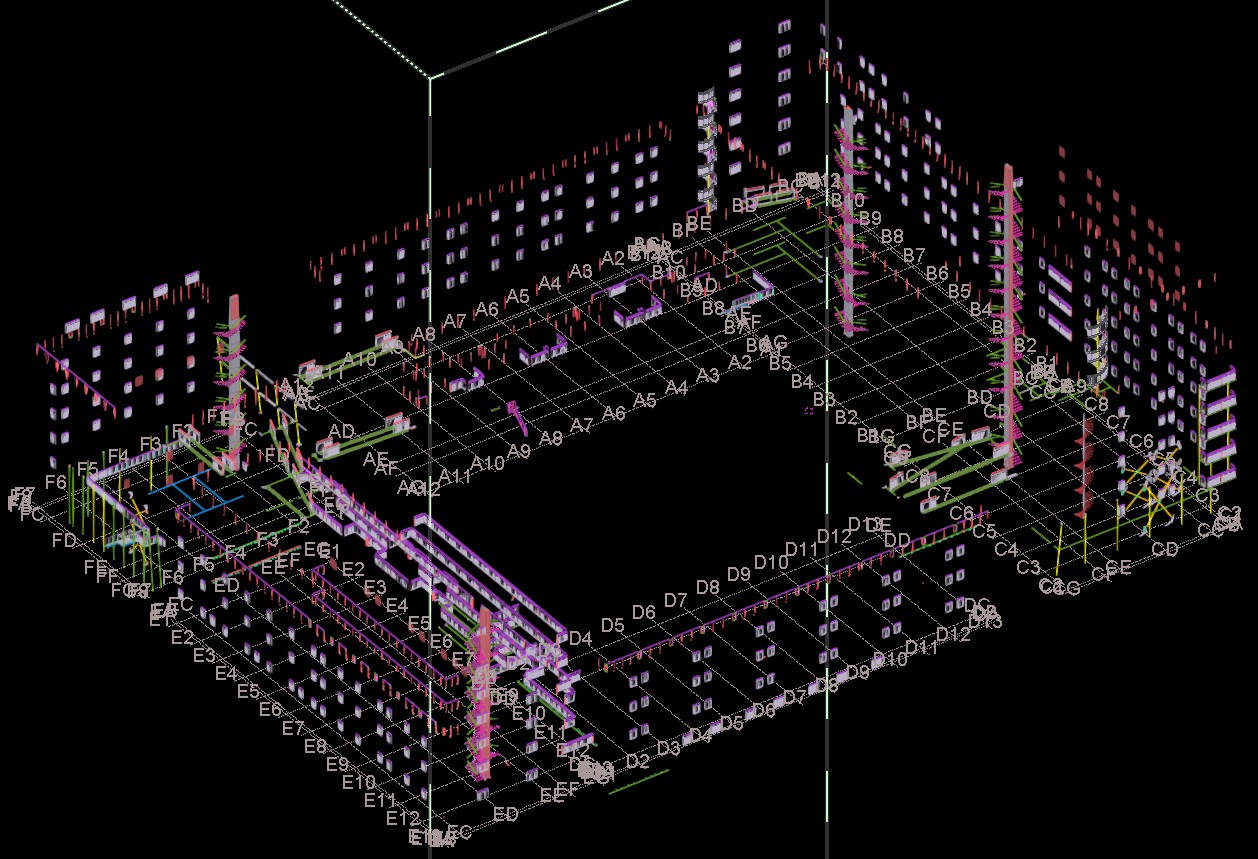
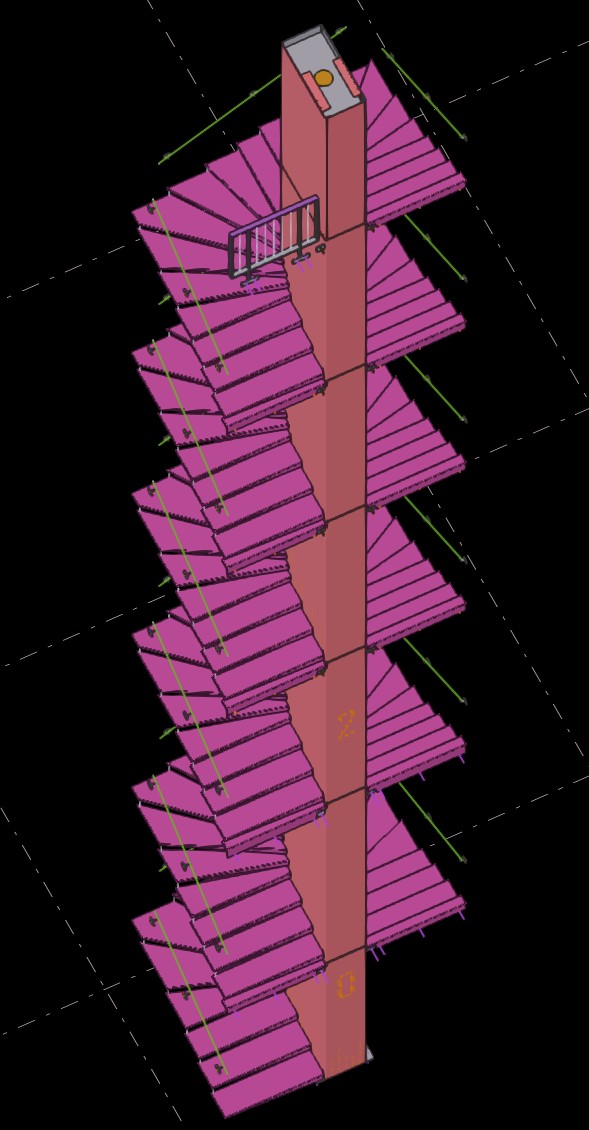
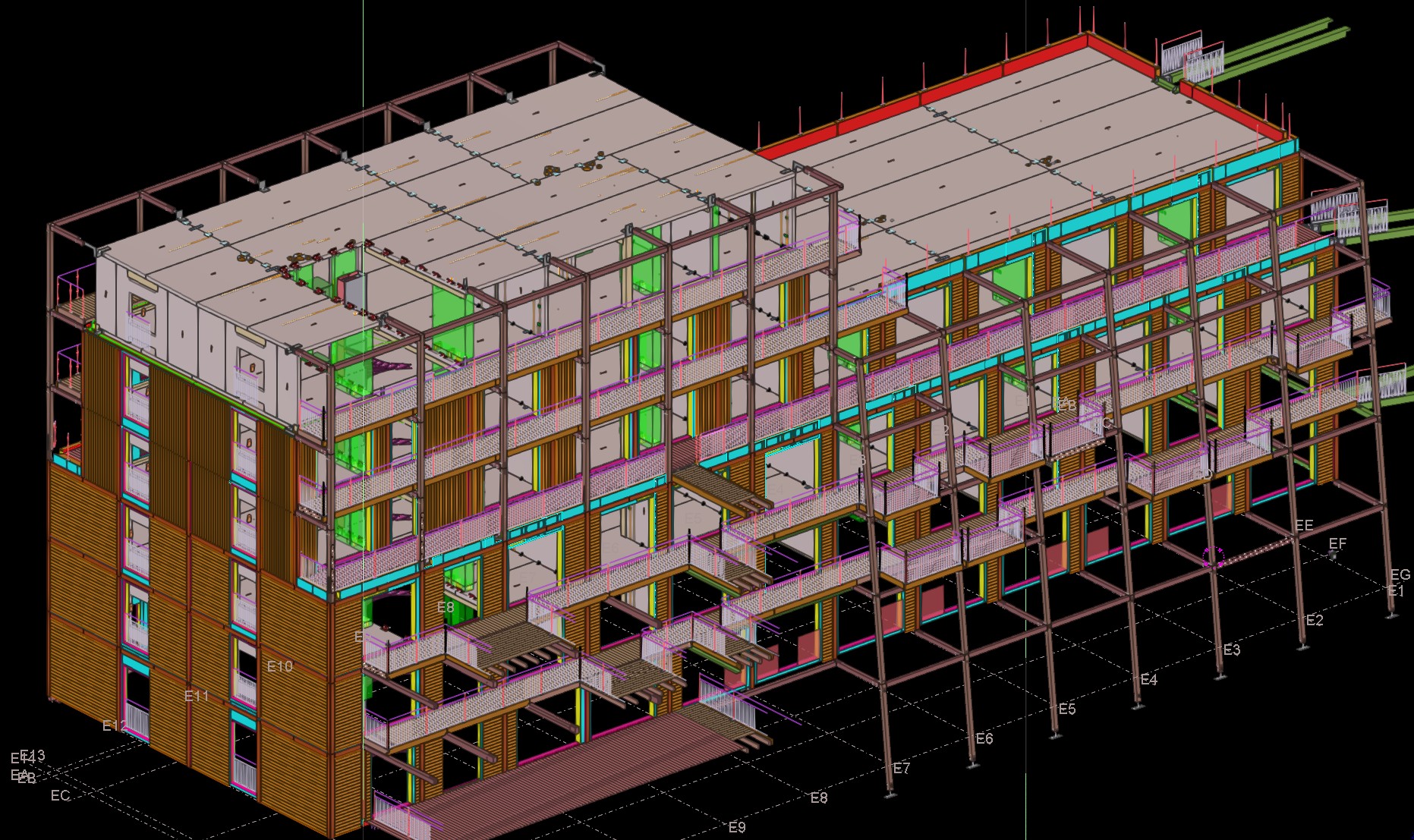
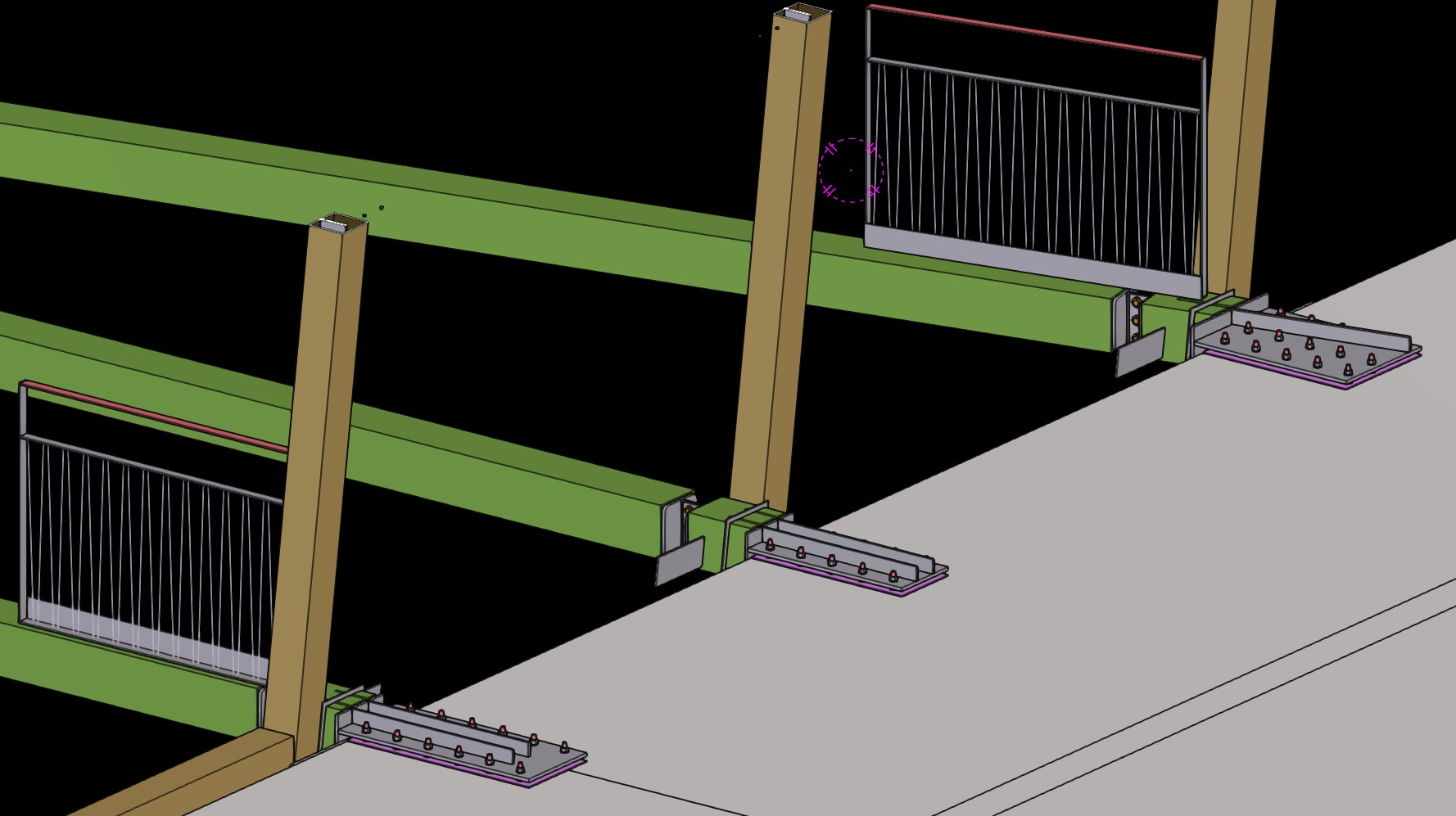
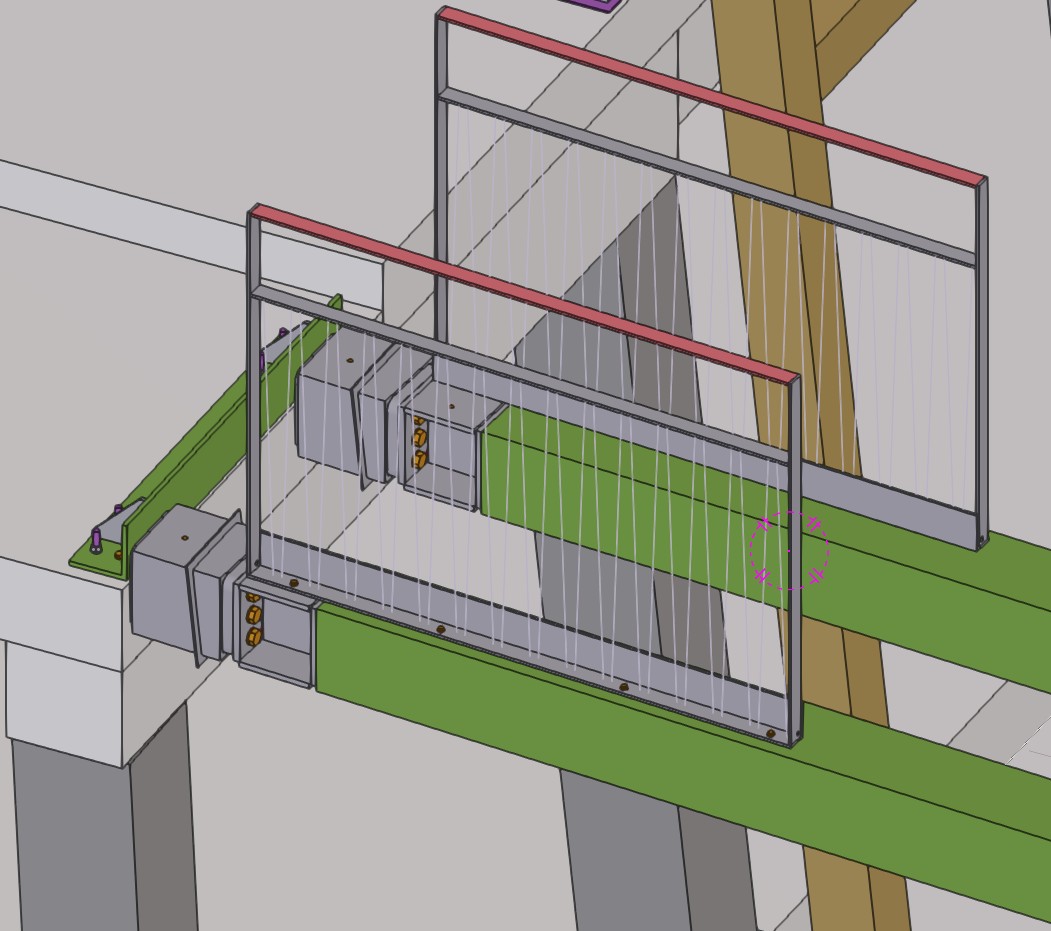
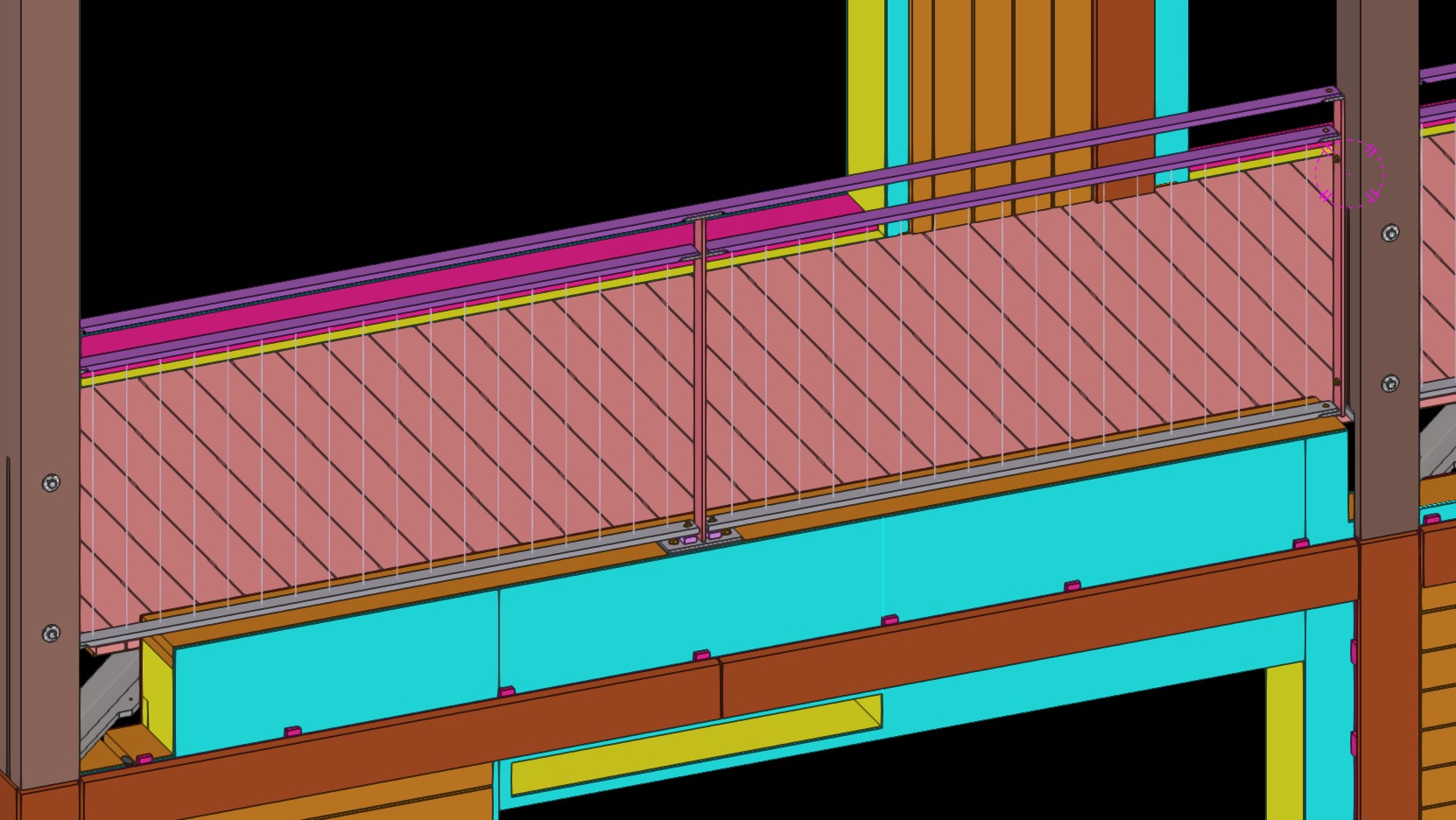
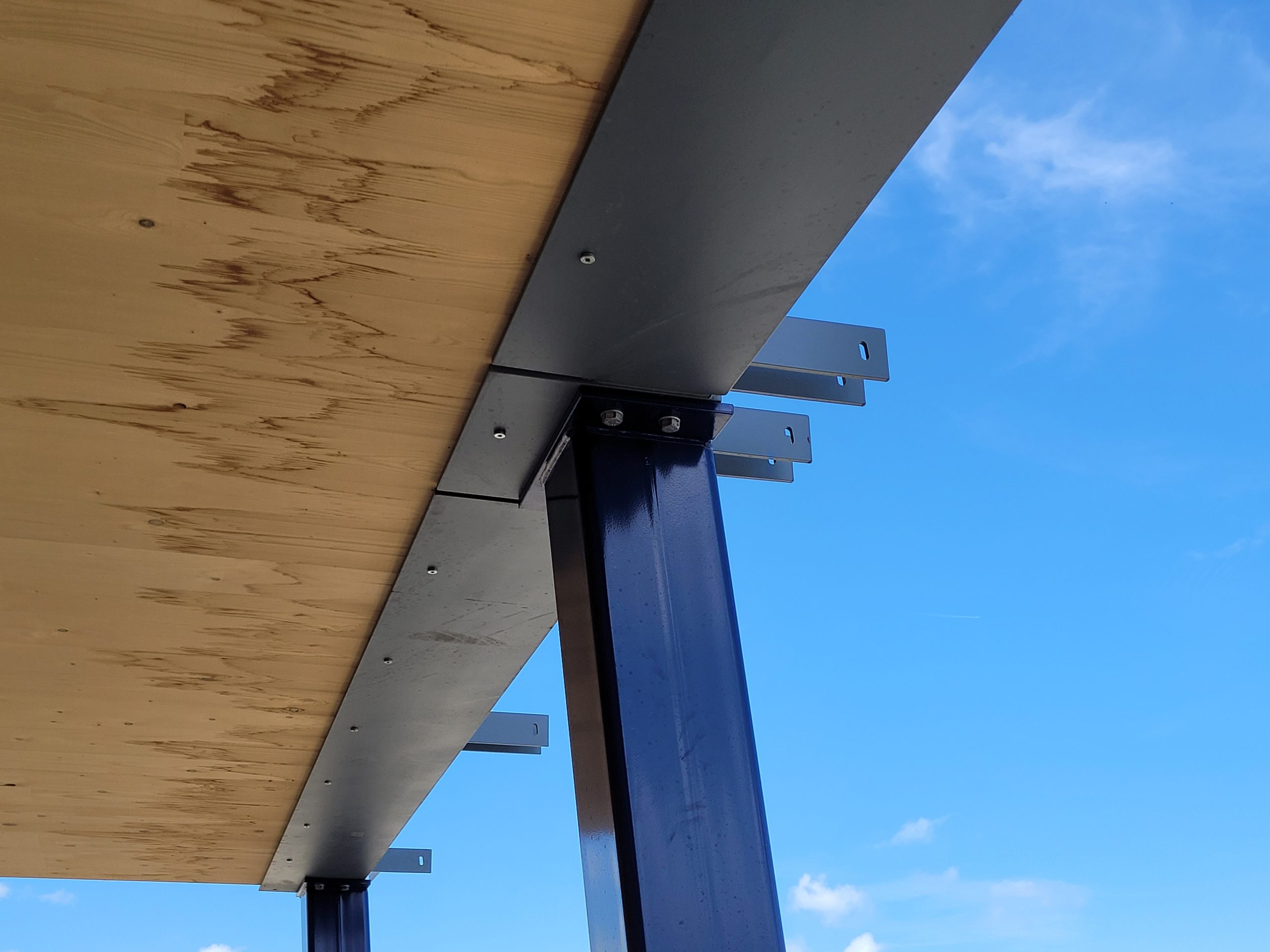
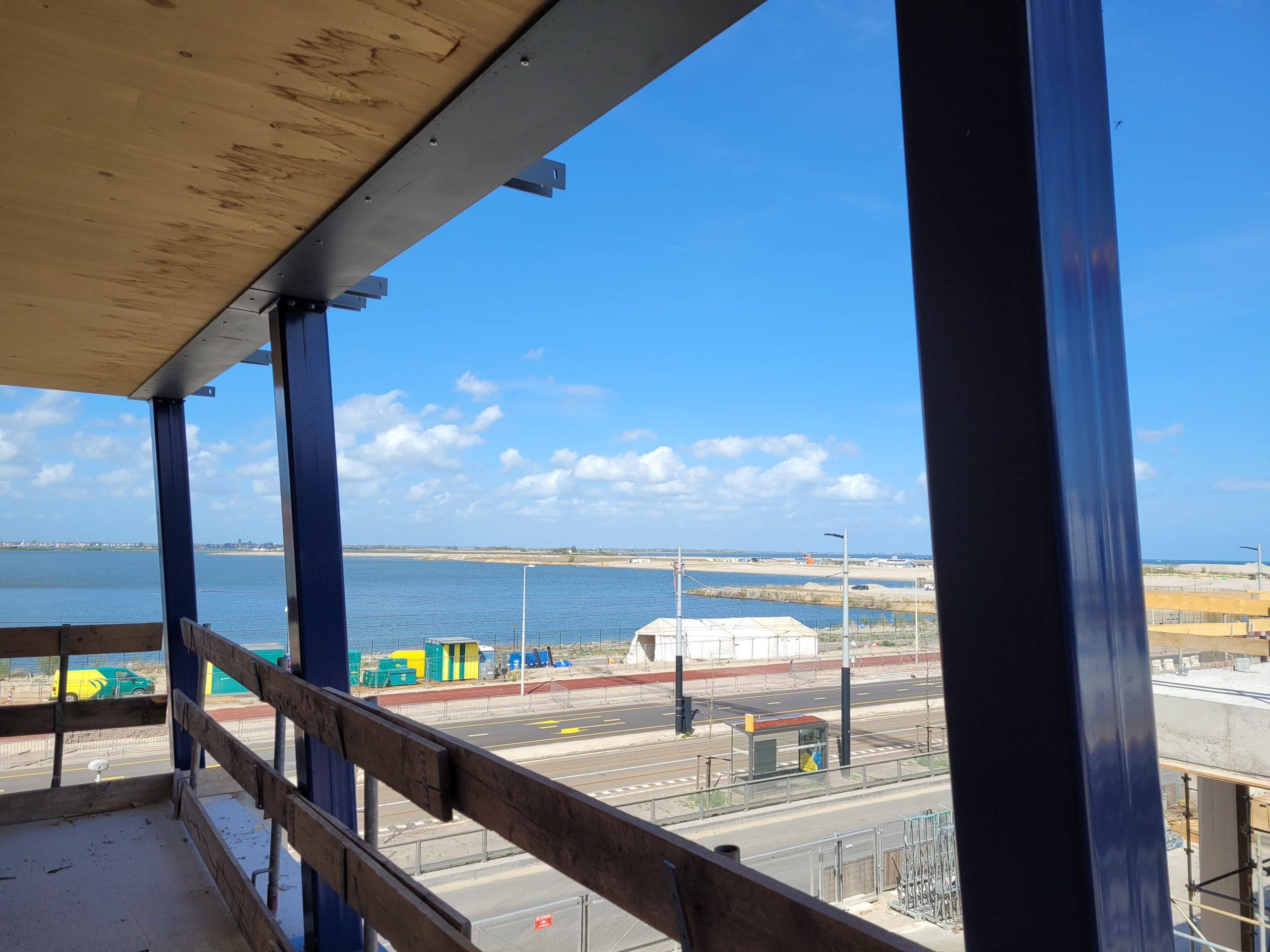
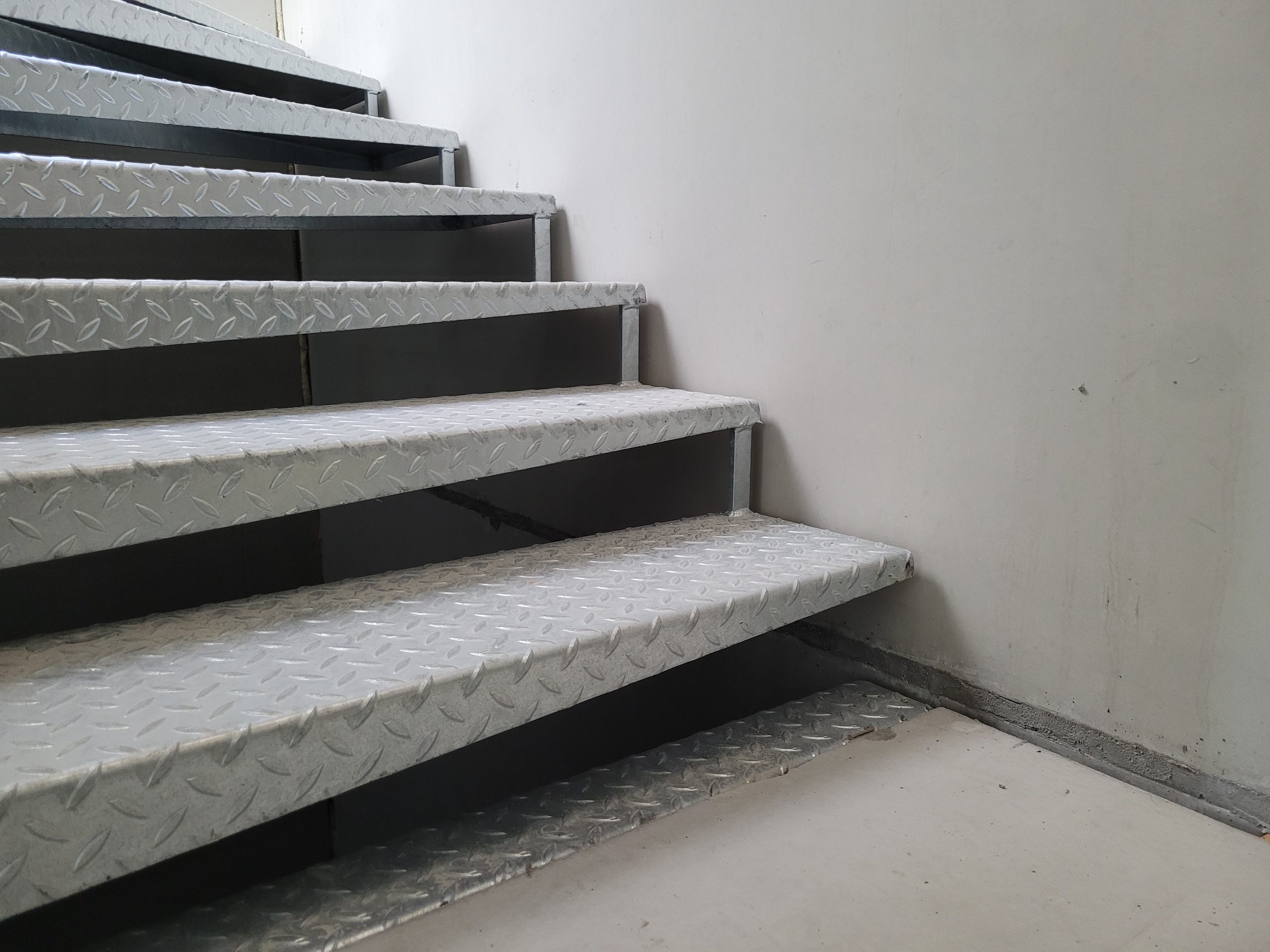
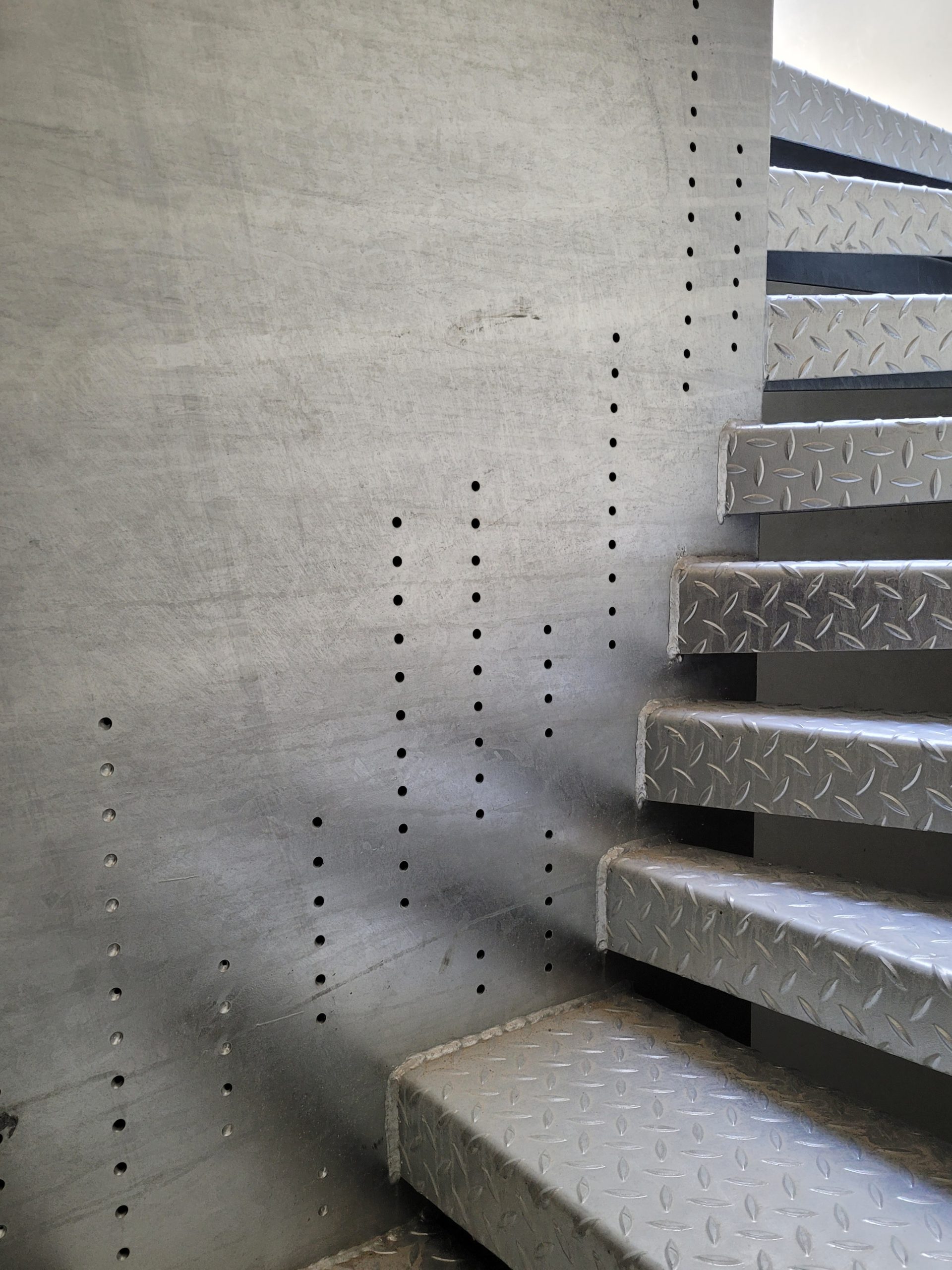
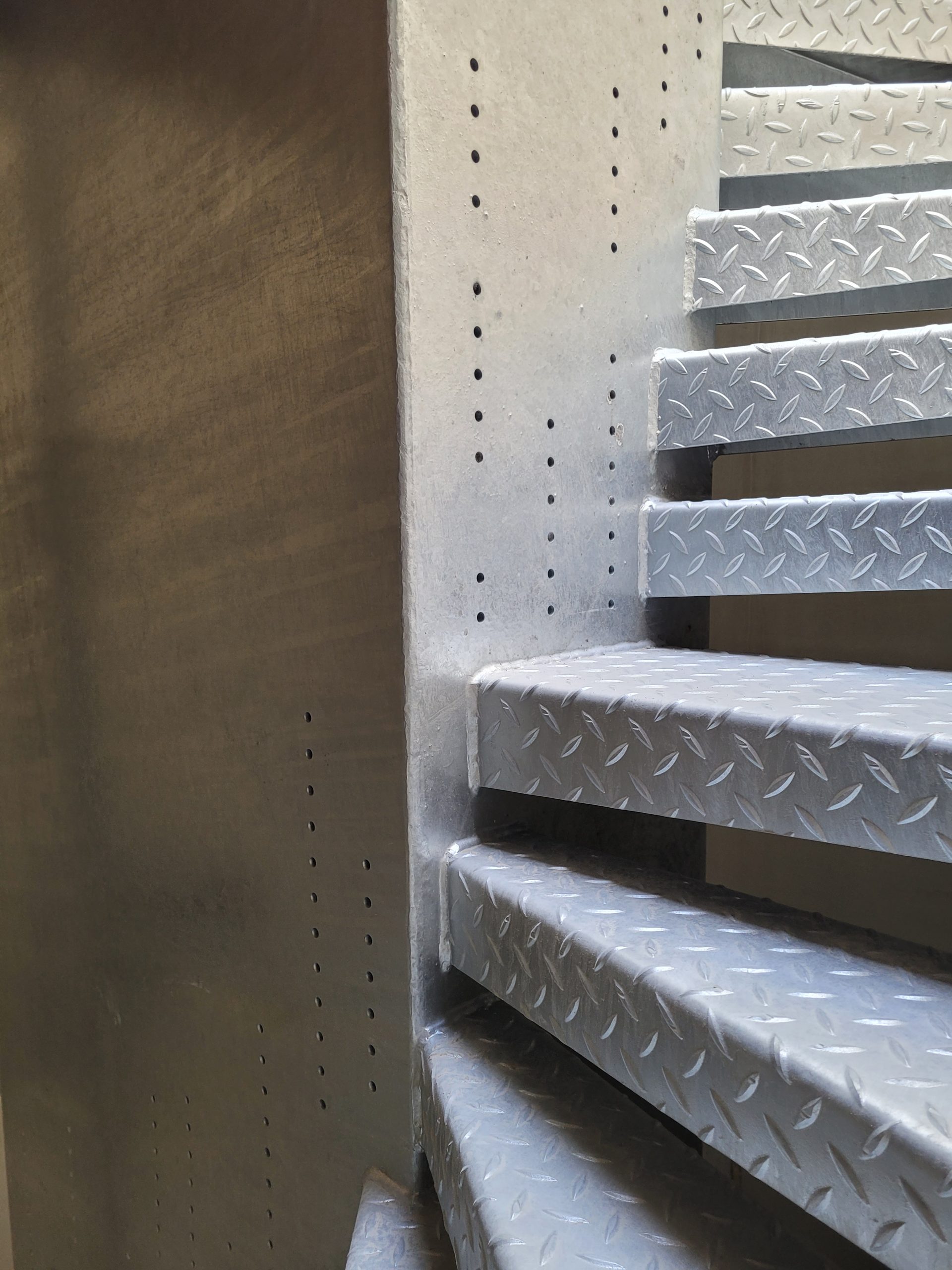
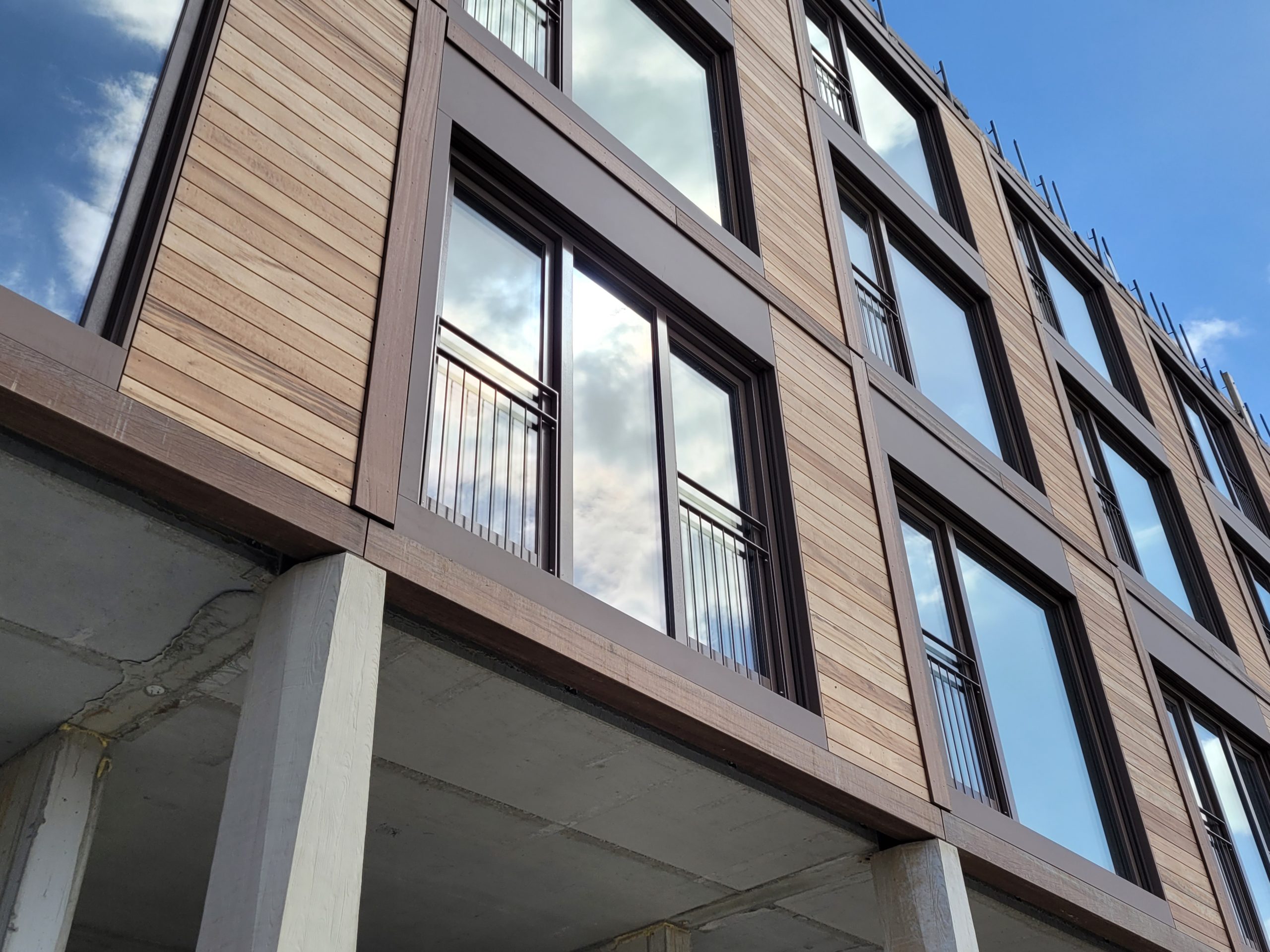
De hoofddraagconstructie bestaat vanaf de 2e verdieping volledig uit hout, aangevuld met staal waar nodig voor stabiliteit en verbindingen. De combinatie van hout en staal resulteert in technisch uitdagende aansluitingen, waarbij veel verbindingen hybride hout-staal oplossingen zijn. De uitwerking van het ontwerp is gestart vanuit DO-modellen (Definitief Ontwerp), die in nauwe samenwerking zijn doorontwikkeld tot een integraal UO (Uitvoeringsgereed Ontwerp). Deze aanpak vraagt om een hoge mate van detaillering en afstemming tussen alle betrokken disciplines.
Gebruik van BIM en samenwerkingen
Binnen het project is intensief gebruikgemaakt van BIM als centrale samenwerkingsmethodiek. Door middel van wekelijkse BIM-overleggen met de aannemer en andere betrokken partijen werd continu gestuurd op voortgang, kwaliteit en afstemming. Deze gestructureerde samenwerking zorgde voor korte communicatielijnen en een transparant proces, waardoor ontwerpkeuzes en technische uitdagingen snel en efficiënt konden worden opgelost.
Innovatief gebruik van Trimble software
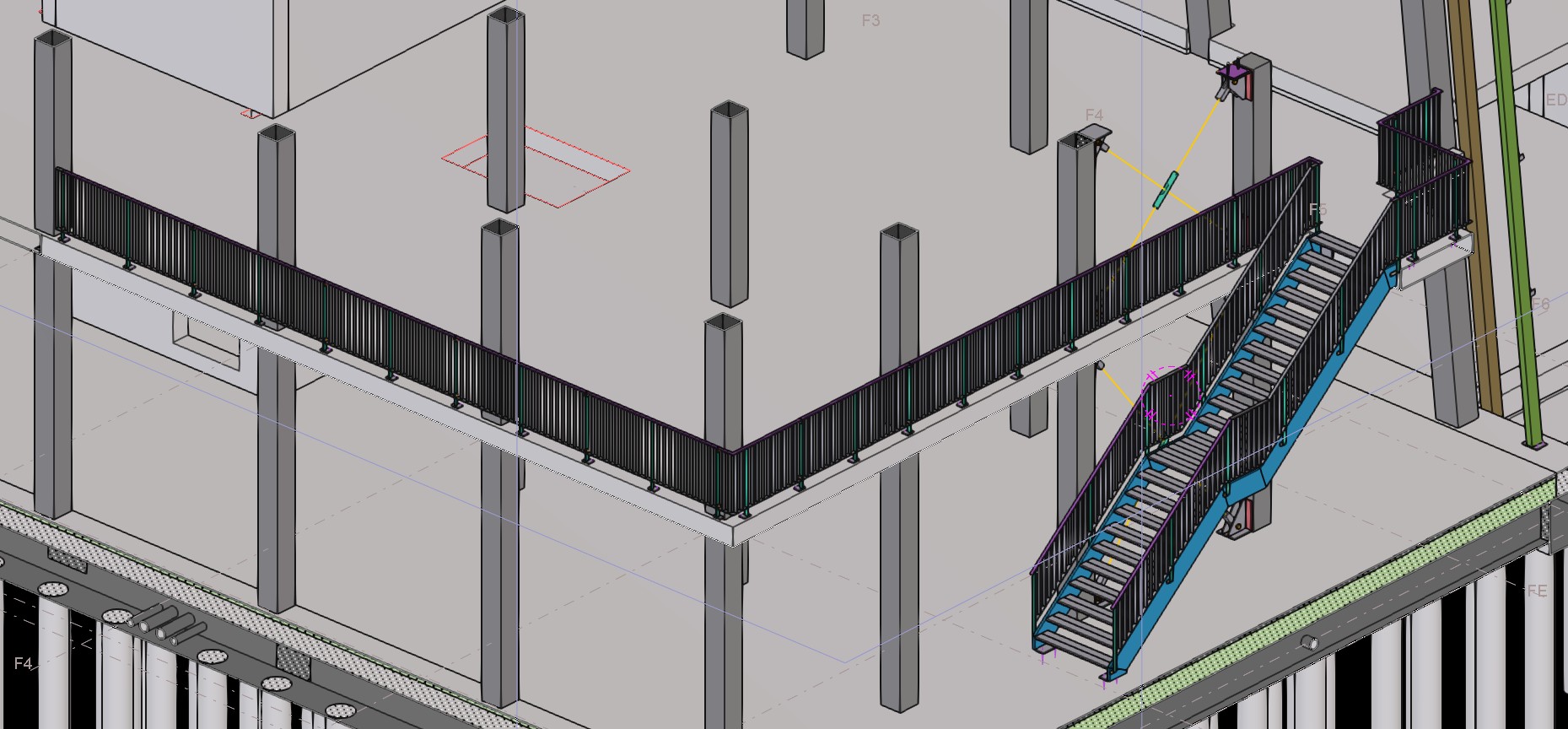
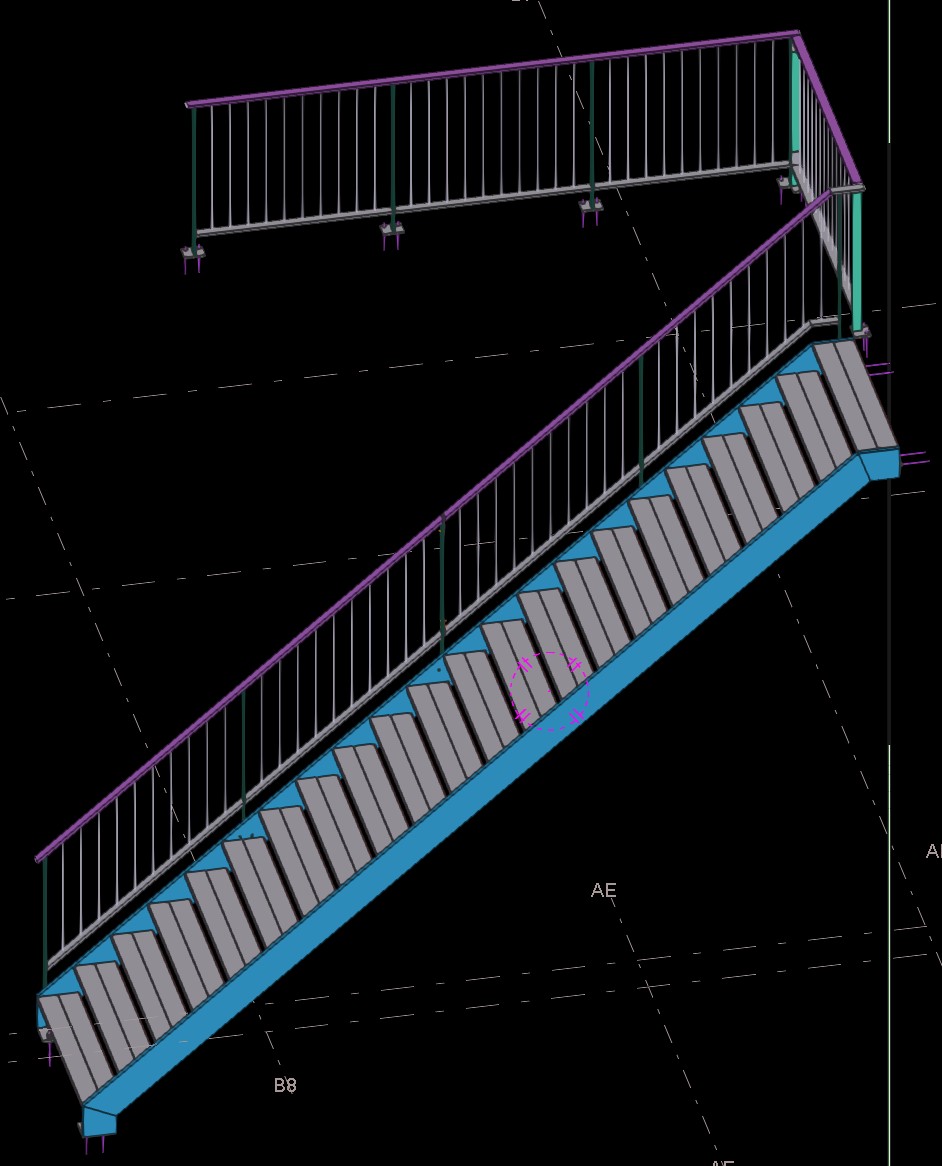
Voor de uitwerking en coördinatie van het project is gebruikgemaakt van Tekla Structures-modellen. Deze modellen vormden de basis voor het detailleren van de complexe houtconstructie en de vele hout-staal verbindingen. Door het inzetten van Trimble-software kon een hoog detailniveau worden bereikt, wat essentieel was voor de maakbaarheid en uitvoerbaarheid van de prefab houten elementen.
Maakbaarheid
De maakbaarheid van Robin Wood is sterk verankerd in het modulaire en prefab bouwsysteem. Door te werken met gestandaardiseerde houten elementen kon efficiënt geproduceerd en gemonteerd worden. Tegelijkertijd vroeg de combinatie van maatwerk verbindingen en complexe geometrie om een zorgvuldige engineering. Het BIM-proces en de digitale modellen speelden hierin een cruciale rol, waardoor faalkosten werden beperkt en de uitvoering voorspelbaar bleef.
Duurzaamheid
Robin Wood is ontworpen met een uitgesproken duurzame ambitie. Het gebouw is volledig biobased en maakt gebruik van hout als primaire bouwstof, wat zorgt voor CO₂-opslag en een lage milieu-impact. Daarnaast is het project energieneutraal en wordt ingezet op ecologie en klimaatadaptatie, onder andere door integratie van groen en wateropvang. Ook sociaal gezien is het gebouw duurzaam: het stimuleert ontmoeting en gemeenschapsvorming door collectieve ruimtes en voorzieningen.
Wauw-factor
De kracht van Robin Wood zit in de combinatie van schaal, materialisatie en beleving. Als volledig houten stadsblok vormt het een opvallend en herkenbaar baken in de omgeving. De gelaagde opbouw, het modulaire karakter en de integratie van groen en collectieve ruimtes zorgen voor een unieke woonervaring. De architectonische uitstraling, samen met de innovatieve bouwmethodiek, maakt het project tot een inspirerend voorbeeld van toekomstige stedelijke woningbouw — een echte blikvanger met internationale erkenning, bekroond als beste toekomstige woongebouw tijdens het World Architecture Festival.
Project Robin Wood – housing in collaboration with Slokker Bouwgroep, ANA Architects, Marc Koehler Architects, and Vic Obdam Staalbouw B.V.
What makes this project special?
Robin Wood is a forward-thinking and iconic residential building on Centrumeiland in Amsterdam, largely constructed from timber and designed according to modular principles. The project stands out due to its combination of large-scale timber construction, flexibility in housing layouts, and a strong focus on community building. The building acts as a connecting element between the city and the neighborhood, offering space for living, working, and social interaction within one integrated concept. Thanks to the Open Building principle, the homes can be adapted over time, contributing to a future-proof development.
The main load-bearing structure
The main load-bearing structure consists entirely of timber from the second floor upward, supplemented with steel where necessary for stability and connections. The combination of timber and steel results in technically challenging joints, many of which are hybrid timber-steel solutions. The design development started from Detailed Design (DO) models, which were further developed in close collaboration into an integrated Execution Design (UO). This approach requires a high level of detailing and coordination between all involved disciplines.
Use of BIM and collaboration
The project made intensive use of BIM as the central collaboration method. Weekly BIM coordination meetings with the contractor and other involved parties ensured continuous control over progress, quality, and alignment. This structured collaboration led to short communication lines and a transparent process, allowing design decisions and technical challenges to be resolved quickly and efficiently.
Innovative use of Trimble software
Tekla Structures models were used for the elaboration and coordination of the project. These models formed the basis for detailing the complex timber structure and the numerous timber-steel connections. By using Trimble software, a high level of detail was achieved, which was essential for the manufacturability and feasibility of the prefabricated timber elements.
Buildability
The buildability of Robin Wood is strongly embedded in its modular and prefabricated construction system. By working with standardized timber elements, efficient production and assembly were made possible. At the same time, the combination of custom connections and complex geometry required careful engineering. The BIM process and digital models played a crucial role in this, reducing failure costs and ensuring predictable execution.
Sustainability
Robin Wood was designed with a strong sustainability ambition. The building is fully biobased and uses timber as its primary construction material, enabling CO₂ storage and a low environmental impact. In addition, the project is energy-neutral and focuses on ecology and climate adaptation, including the integration of greenery and water retention systems. Social sustainability is also key: the building encourages interaction and community building through shared spaces and facilities.
Wow factor
The strength of Robin Wood lies in the combination of scale, materialization, and experience. As a fully timber urban block, it forms a striking and recognizable landmark in its surroundings. Its layered composition, modular character, and integration of greenery and collective spaces create a unique living experience. The architectural expression, combined with its innovative construction method, makes the project an inspiring example of future urban housing—a true eye-catcher with international recognition, awarded Best Future Residential Building at the World Architecture Festival.
Hagyja meg véleményét


Construsoft is an authorized Tekla Structures vendor and provides training, technical support, and other services to its customers.
For more information, please visit our website:
construsoft.comTekla is a Trimble Company © Copyright 2026 Tekla