De Nieuwe Post
| Categoria | Projectos Comerciais |
|---|---|
| Ano | 2026 |
| País | Benelux |
| Organização | Seldenthuis Engineering BV |
| Parceiros do Projeto | Van Ee Staalspecialisten BV, Heijmans Utiliteit BV, Rijksvastgoedbedrijf |
| Autor | James Verlinden |
| Cliente | Van Ee Staalspecialisten BV |
| Local de construção | Arnhem |
| Tags | PointcloudsConcreteTekla StructuresTrimble ConnectTimberSteel |
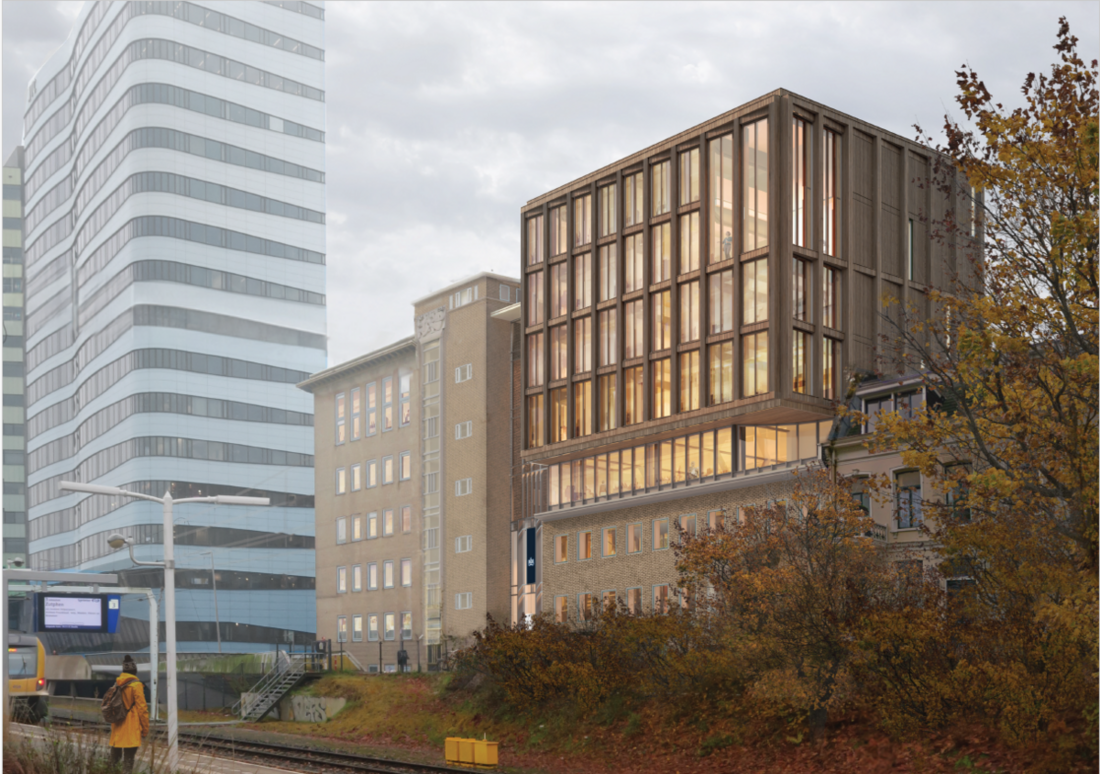
De Nieuwe Post vernieuwd: renovatie van een Arnhemse blikvanger
Wat maakt dit project zo bijzonder?
De Nieuwe Post in Arnhem is constructief een uitzonderlijk project door de combinatie van renovatie, optopping en hergebruik. Voor de realisatie is door Van Ee Staalspecialisten BV ruim 300 ton staal toegepast, waarvan circa 18 ton bestaat uit hergebruikt donorstaal.
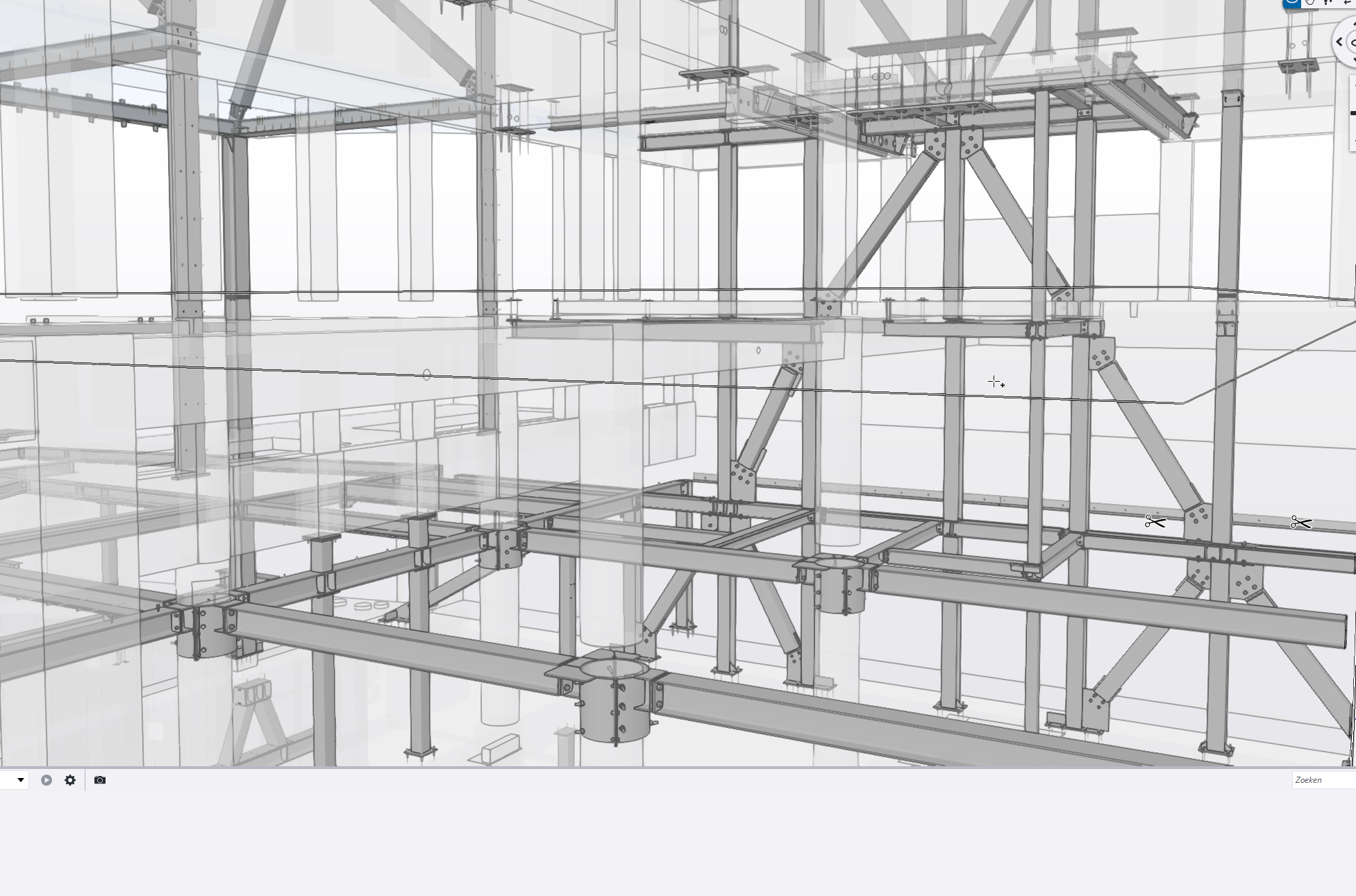
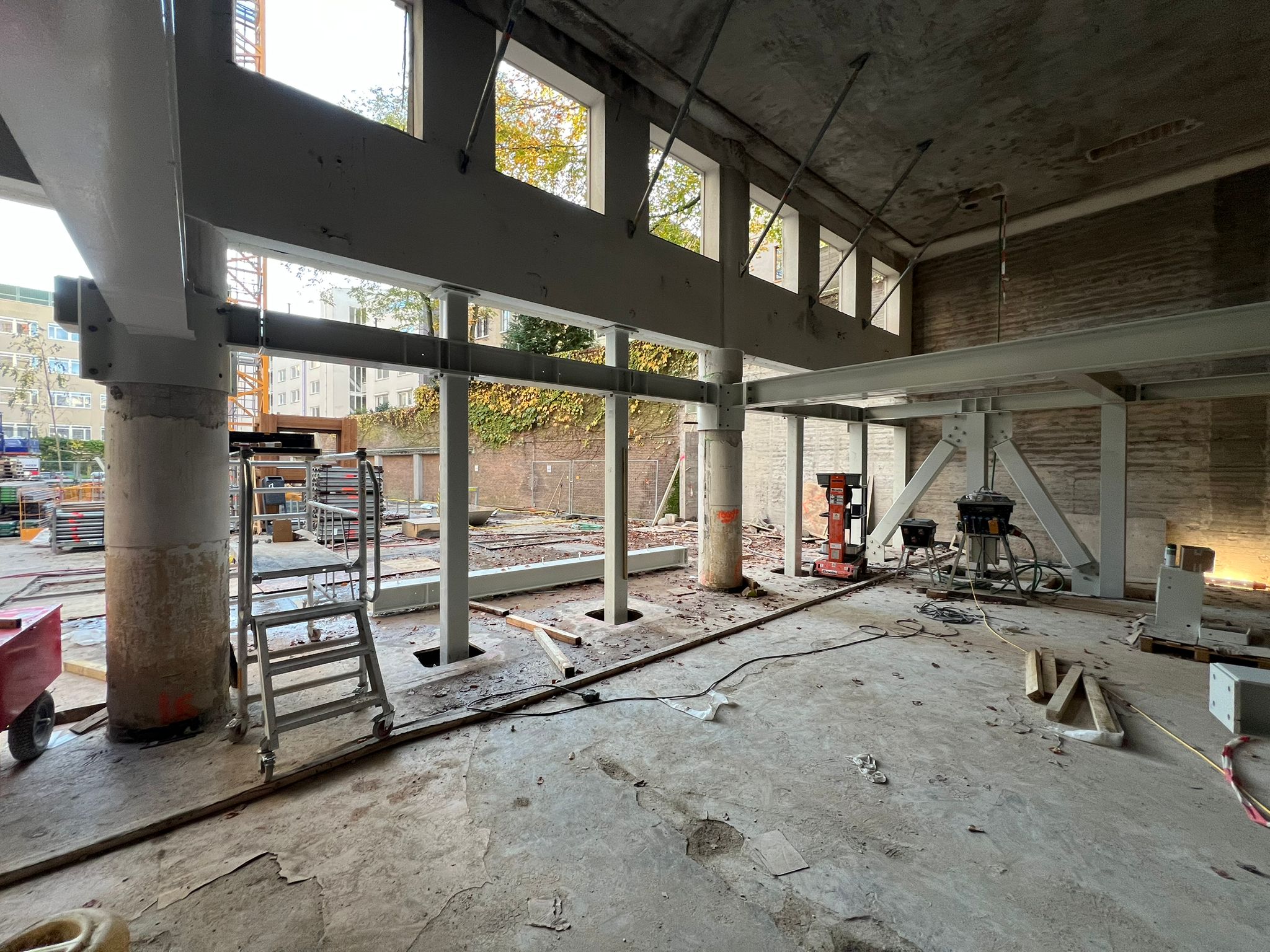
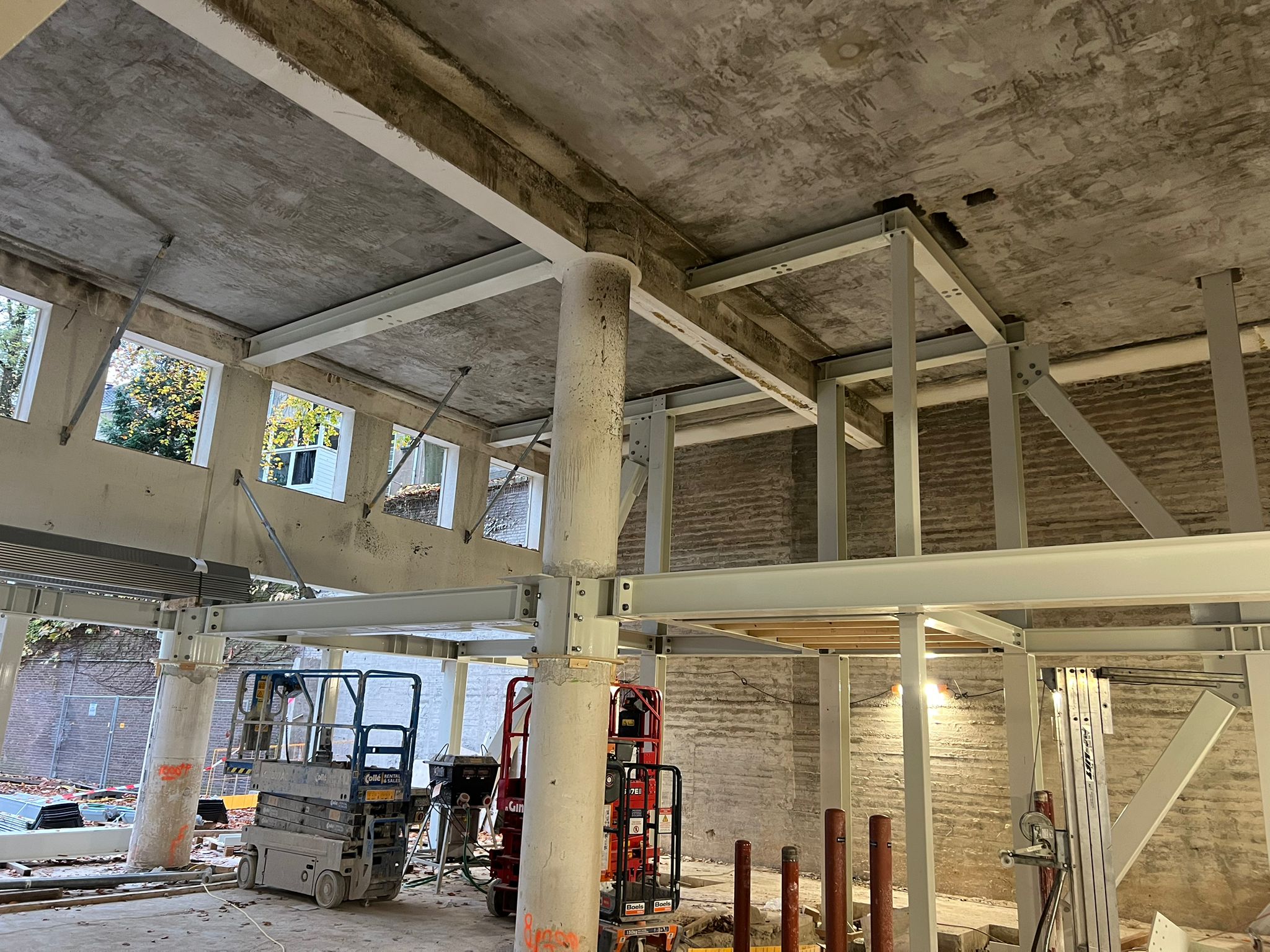
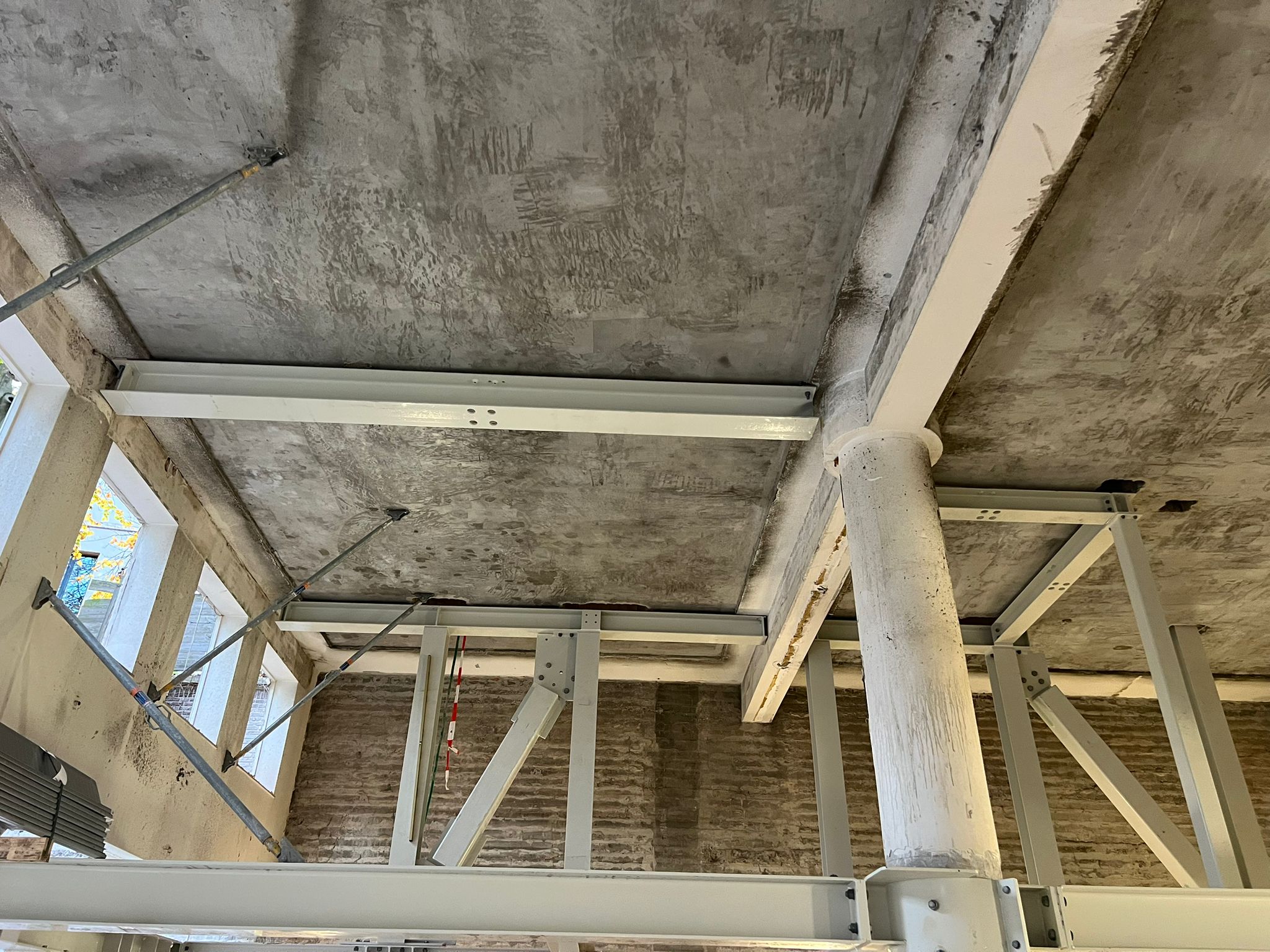
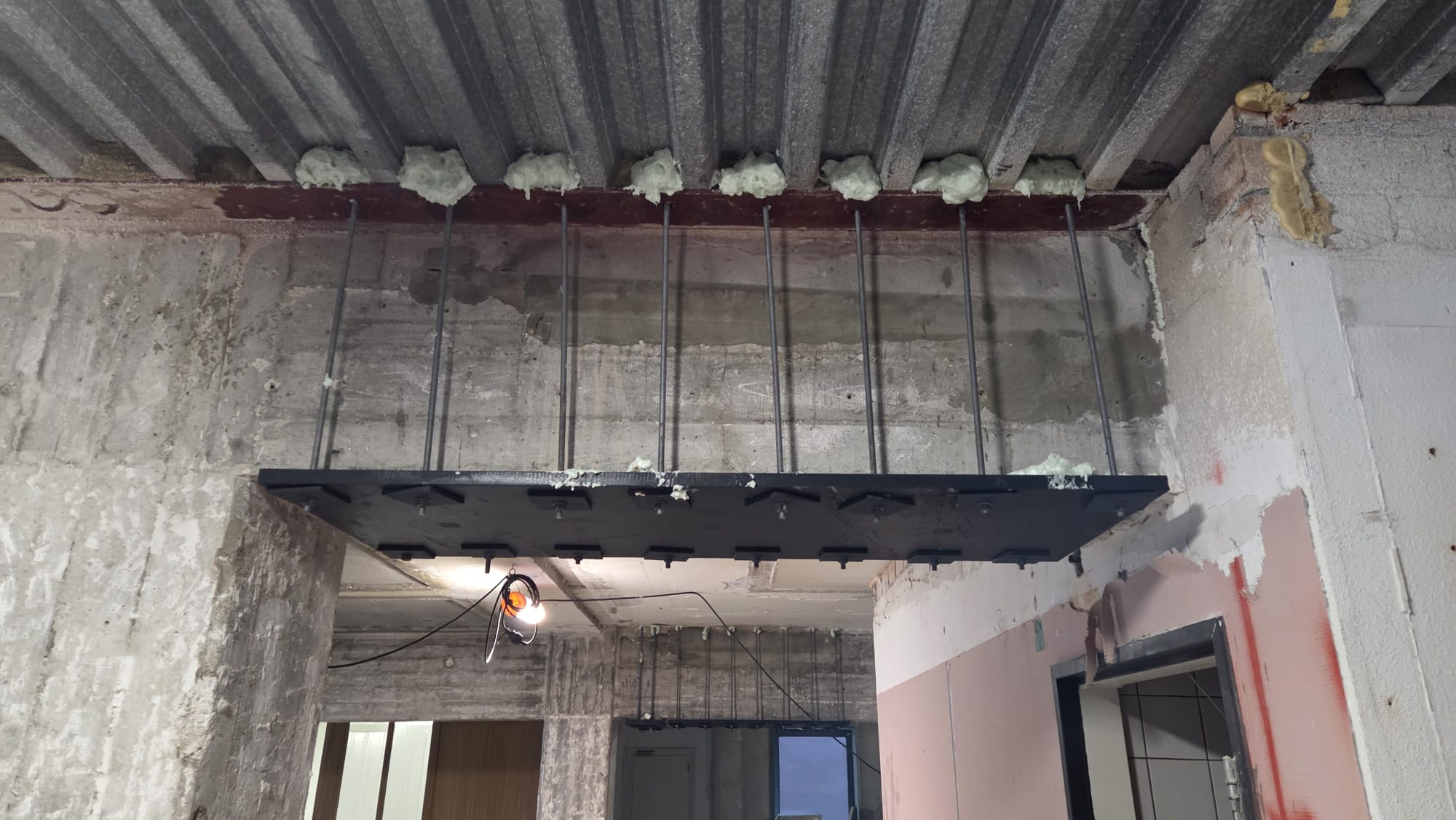
De grootste uitdaging zat in de bestaande constructie. Tekeningen en archiefgegevens bleken niet overeen te komen met de werkelijkheid. Met name de draagbalken waren door sparingen en aanpassingen in de loop der jaren aantoonbaar verzwakt. Dit maakte het noodzakelijk om op grote schaal versterkingen te ontwerpen en in te passen in een bestaande situatie die continu moest worden geverifieerd.
Het gebruik van BIM en samenwerking
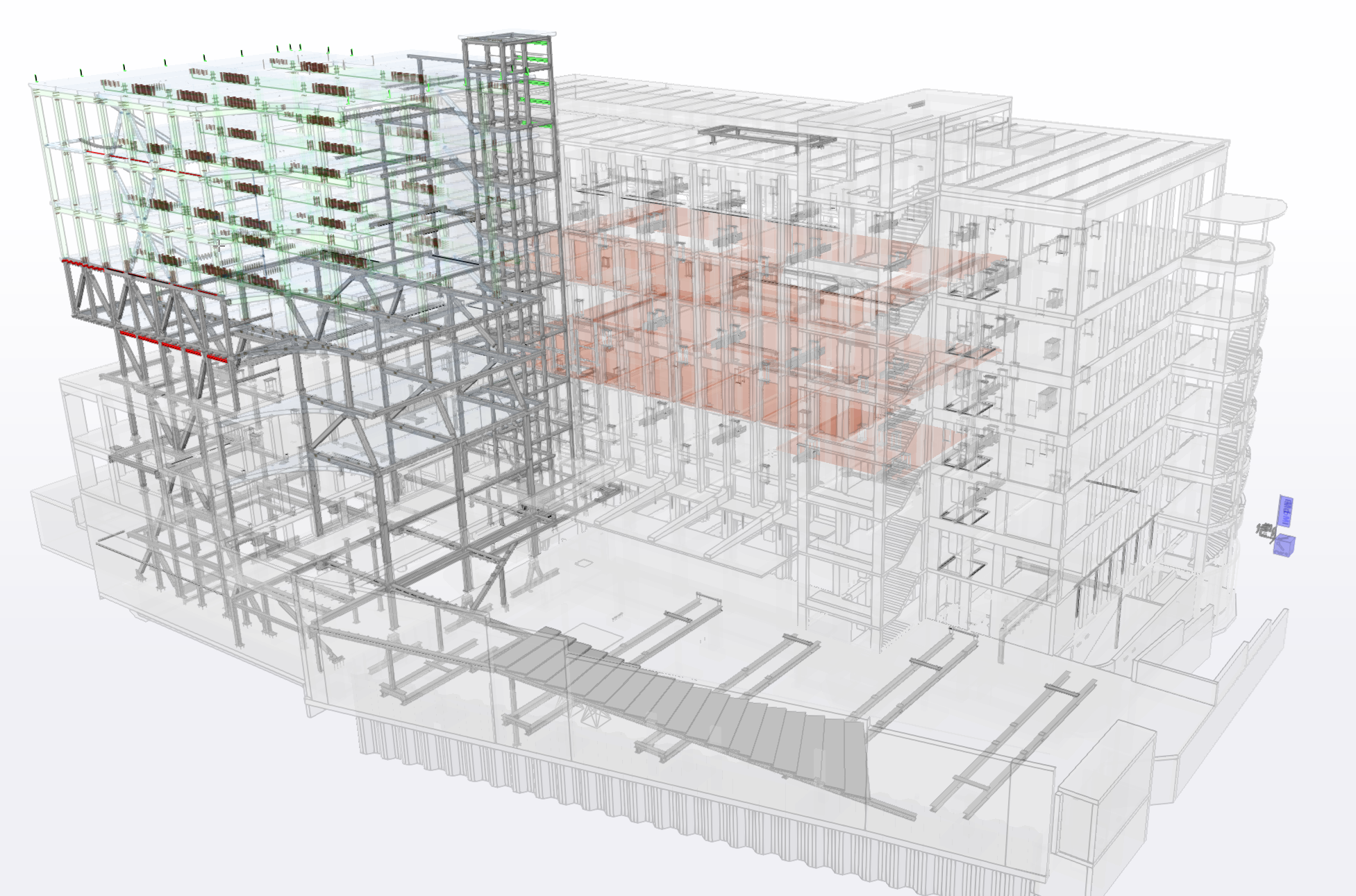
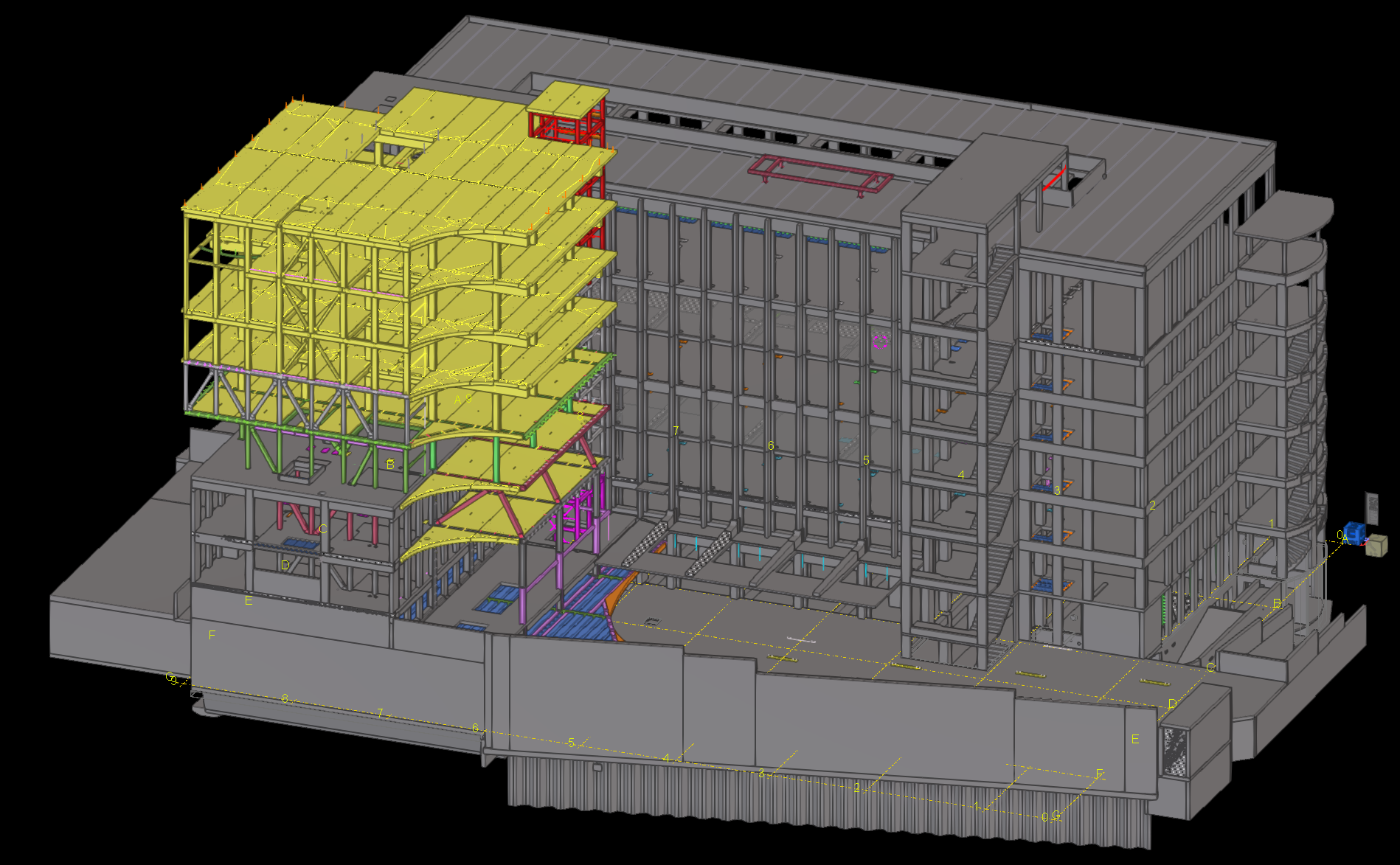
Om grip te krijgen op deze afwijkingen zijn uitgebreide inmetingen uitgevoerd en deze zijn door Seldenthuis Engineering verwerkt in het BIM-model in Tekla Structures. Hiermee ontstond een betrouwbare basis voor verdere engineering.
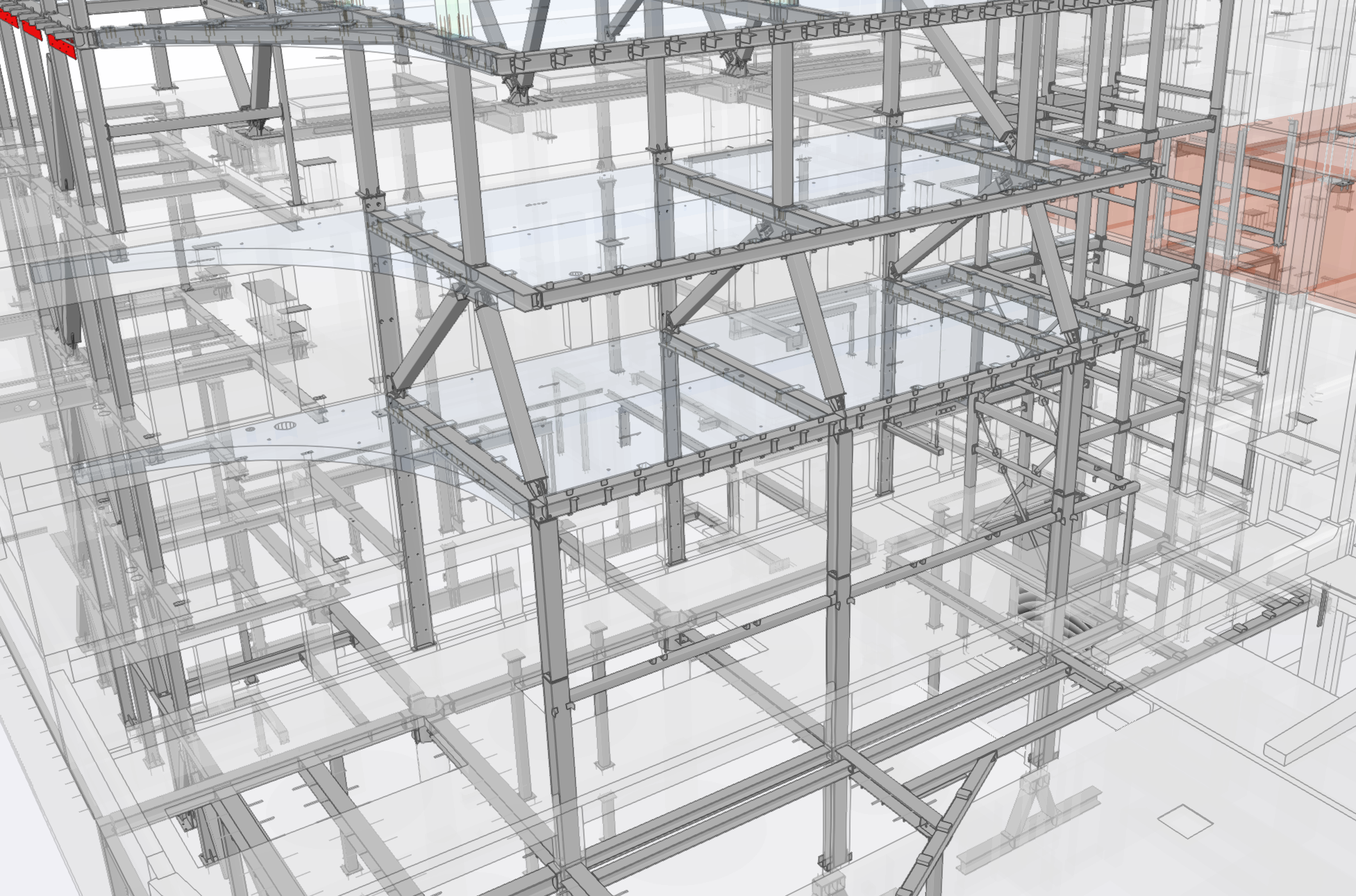
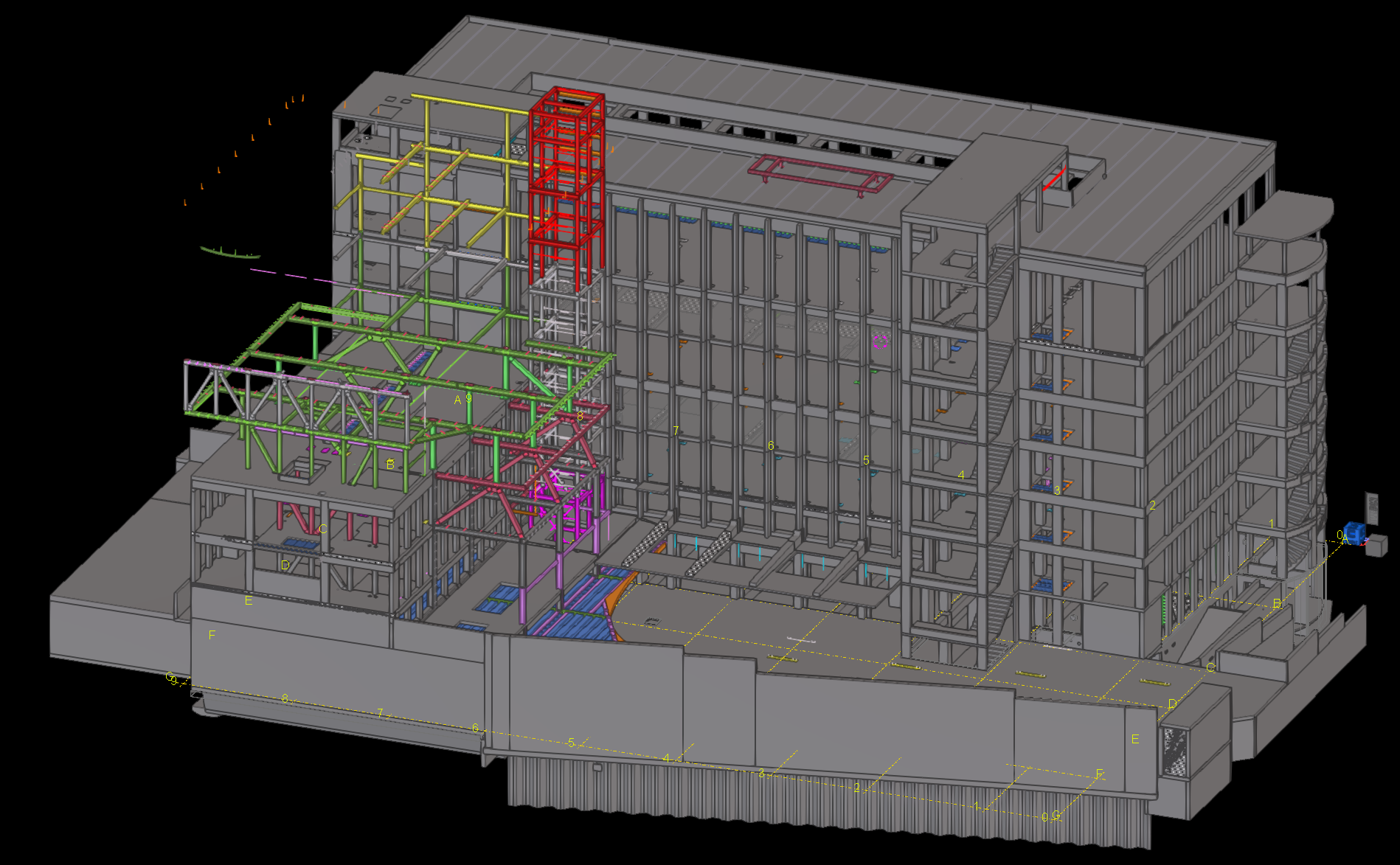
Alle versterkingen, nieuwe staalonderdelen en aansluitingen met de houten optopping en staalplaat-betonvloeren zijn in detail gemodelleerd en afgestemd met de betrokken partijen. In een project waar de bestaande situatie continu afweek, was intensieve samenwerking essentieel om voortgang te houden en oplossingen direct uitvoerbaar te maken.
Hier komt het motto tot leven: samen succesvol. Betrokkenheid in elke stap, ondernemend in het zoeken naar oplossingen en compromisloos in kwaliteit.
Het (innovatief) gebruik van Trimble software
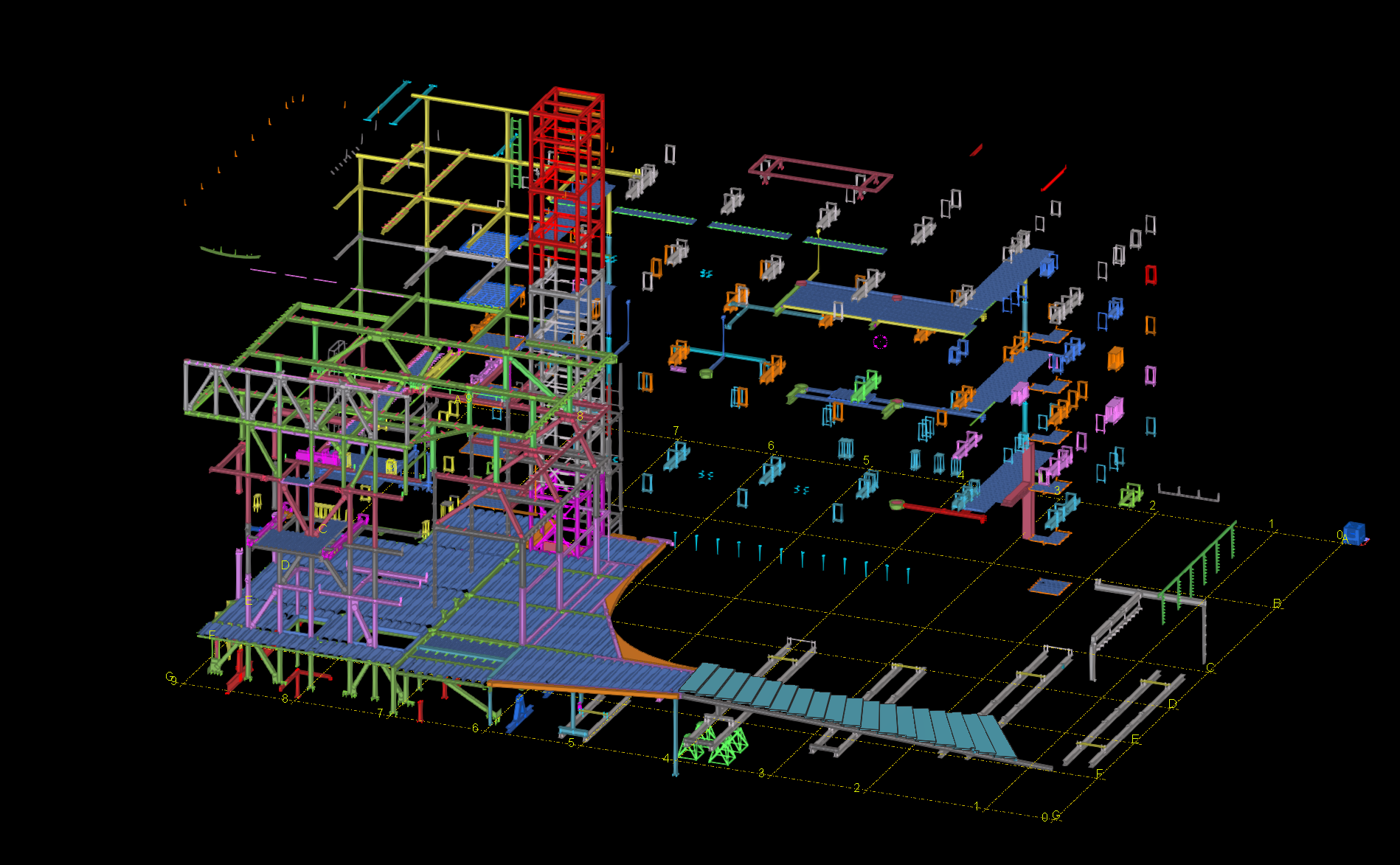
Tekla Structures is ingezet als productiemodel voor de volledige staalconstructie. Alle onderdelen, inclusief versterkingen van bestaande balken, aansluitingen en de integratie met de staalplaat-betonvloeren, zijn in detail uitgewerkt.
De inmeetgegevens van de bestaande situatie zijn direct in het model verwerkt. Hierdoor konden afwijkingen worden vertaald naar maatwerkoplossingen. Boorplannen, legplannen voor de vloeren en uitvoeringsinformatie zijn rechtstreeks uit het model gegenereerd.
De maakbaarheid van het project
De maakbaarheid stond onder druk door de combinatie van bestaande bouw en nieuwe ingrepen. Versterkingen van verzwakte draagbalken moesten in een bestaande situatie worden aangebracht, vaak met beperkte ruimte en hoge eisen aan nauwkeurigheid.
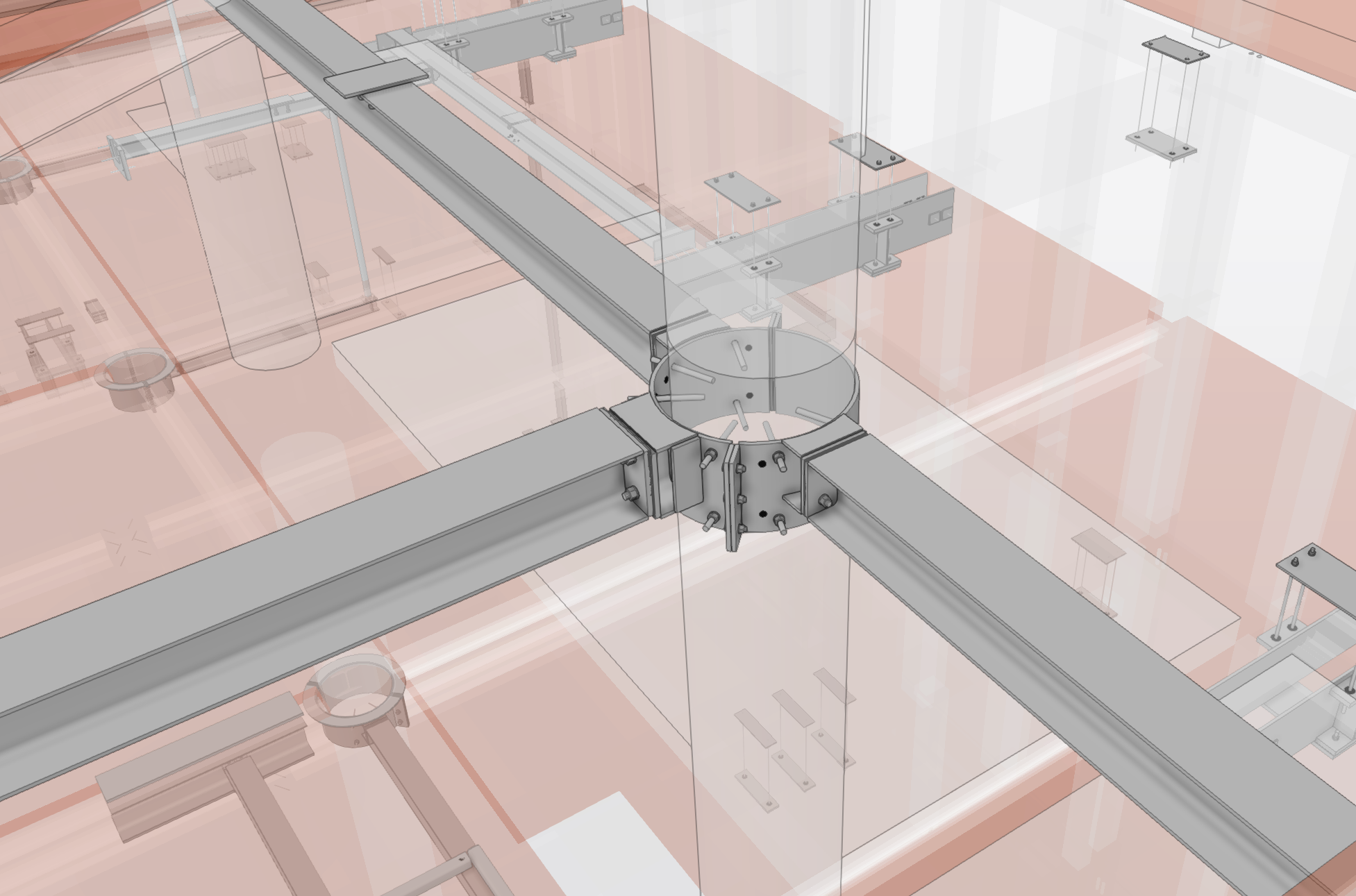
Ook de staalplaat-betonvloeren zijn integraal meegenomen in de engineering. Vanwege de beperkte beschikbare hoogte zijn delen van de constructieve vloer tot aan de bovenwapening ingekast, zodat bevestigingsmiddelen en voetplaten verzonken in de vloer liggen en passen binnen de beschikbare opbouw. Dit vroeg om zeer nauwkeurige detaillering en afstemming tussen staal, vloeropbouw en uitvoering. Door alles vooraf digitaal te detailleren is een uitvoerbaar plan ontstaan waarin staalconstructie en vloersysteem naadloos samenwerken.
De stabiliteit van de optopping is geborgd door een combinatie van systemen: in één richting een groot inpandig vakwerk over de volledige gebouwhoogte en in de andere richting stabiliteit via nieuwe vloerschijven gekoppeld aan de bestaande betonnen kern van de liftschacht. Ook deze onderdelen zijn volledig in het model uitgewerkt en afgestemd.
Duurzaamheid
Duurzaamheid komt terug in het hergebruik van materialen en het optimaal benutten van de bestaande constructie. Van de circa 300 ton staal is ongeveer 6% hergebruikt, wat direct bijdraagt aan reductie van CO₂-uitstoot en grondstofgebruik.
Daarnaast is gekozen voor versterken in plaats van vervangen, waardoor materiaalgebruik is geminimaliseerd.
Wauw-factor
De wauw-factor zit in de technische prestatie. Een bestaande constructie met afwijkingen en verzwakkingen is volledig opnieuw ingemeten, doorgerekend en versterkt, inclusief de integratie van vloersystemen, stabiliteitsvoorzieningen en nieuwe draagstructuren.
Dat een project met deze mate van onzekerheid en complexiteit uiteindelijk beheerst en uitvoerbaar is gemaakt, laat zien wat mogelijk is met gedetailleerde engineering en een sterk BIM-proces. De engineering van de staalconstructie vormt de ruggengraat die dit project mogelijk maakt.
De Nieuwe Post renewed: renovation of an Arnhem landmark
What makes this project so special?
De Nieuwe Post in Arnhem is structurally an exceptional project due to the combination of renovation, vertical extension and reuse. For the realisation of the project, Van Ee Staalspecialisten BV used over 300 tonnes of steel, of which approximately 18 tonnes consist of reused donor steel.
The biggest challenge lay in the existing structure. Drawings and archive data did not correspond with reality. In particular, the load‑bearing beams had been demonstrably weakened over the years due to openings and modifications. This made it necessary to design and integrate large‑scale reinforcements into an existing situation that had to be continuously verified.
The use of BIM and collaboration
To gain control over these discrepancies, extensive surveys were carried out and processed into the BIM model in Tekla Structures by Seldenthuis Engineering. This created a reliable basis for further engineering.
All reinforcements, new steel components and connections with the timber vertical extension and composite steel–concrete floors were modelled in detail and coordinated with the parties involved. In a project where the existing situation continuously deviated, intensive collaboration was essential to maintain progress and make solutions immediately buildable.
This is where the motto comes to life: successful together. Involvement at every step, entrepreneurial in finding solutions and uncompromising in quality.
The (innovative) use of Trimble software
Tekla Structures was used as the production model for the entire steel structure. All components, including reinforcements to existing beams, connections and the integration with the composite steel–concrete floors, were detailed comprehensively.
The survey data of the existing situation were directly incorporated into the model. This made it possible to translate deviations into customised solutions. Drilling plans, floor layout plans and execution information were generated directly from the model.
The constructability of the project
Constructability was under pressure due to the combination of existing construction and new interventions. Reinforcement of weakened load‑bearing beams had to be carried out within the existing structure, often with limited space and high demands on accuracy.
The composite steel–concrete floors were also fully integrated into the engineering process. Due to the limited available height, parts of the structural floor were recessed up to the top reinforcement, allowing fixing elements and base plates to be embedded in the floor and fit within the available build‑up. This required extremely accurate detailing and coordination between steel, floor build‑up and execution. By detailing everything digitally in advance, a workable plan was created in which the steel structure and floor system work seamlessly together.
The stability of the vertical extension was ensured through a combination of systems: in one direction, a large internal truss over the full height of the building, and in the other direction stability provided by new floor diaphragms connected to the existing concrete lift shaft core. These elements were also fully worked out and coordinated within the model.
Sustainability
Sustainability is reflected in the reuse of materials and the optimal use of the existing structure. Of the approximately 300 tonnes of steel, around 6% was reused, directly contributing to a reduction in CO₂ emissions and raw material use.
In addition, strengthening was chosen instead of replacement, minimising material consumption.
Wow factor
The wow factor lies in the technical achievement. An existing structure with deviations and weaknesses was completely resurveyed, recalculated and reinforced, including the integration of floor systems, stability provisions and new load‑bearing structures.
That a project with this degree of uncertainty and complexity was ultimately made controllable and buildable demonstrates what is possible with detailed engineering and a strong BIM process. The engineering of the steel structure forms the backbone that makes this project possible.
Deixe o seu comentário


A Construsoft é revendedor autorizado de Tekla Structures e disponibiliza formação, suporte técnico e outros serviços aos seus clientes.
Para mais informações, visite nosso site:
construsoft.ptTekla is a Trimble Company © Copyright 2026 Tekla